

Free in-home measure and quote - PGT, CGI and CWS impact lines compared on your actual openings, style by style
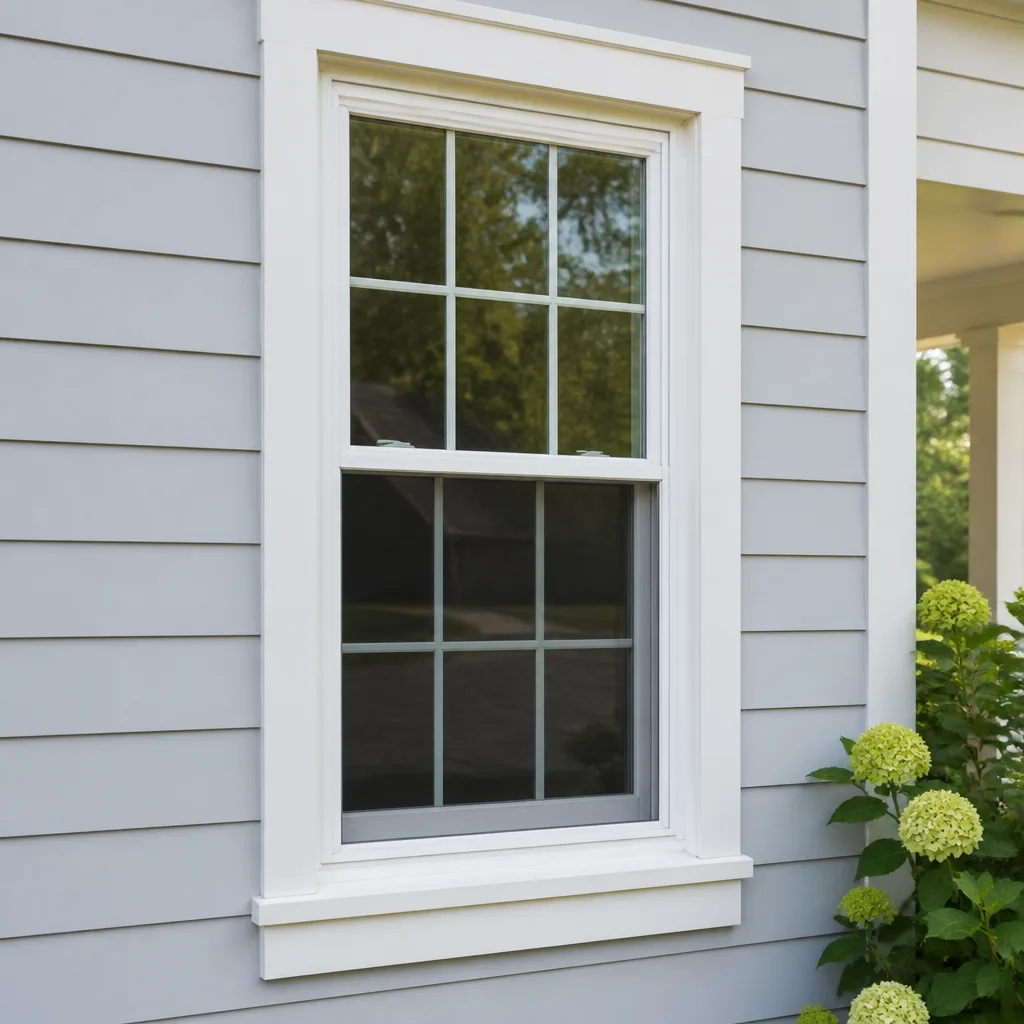
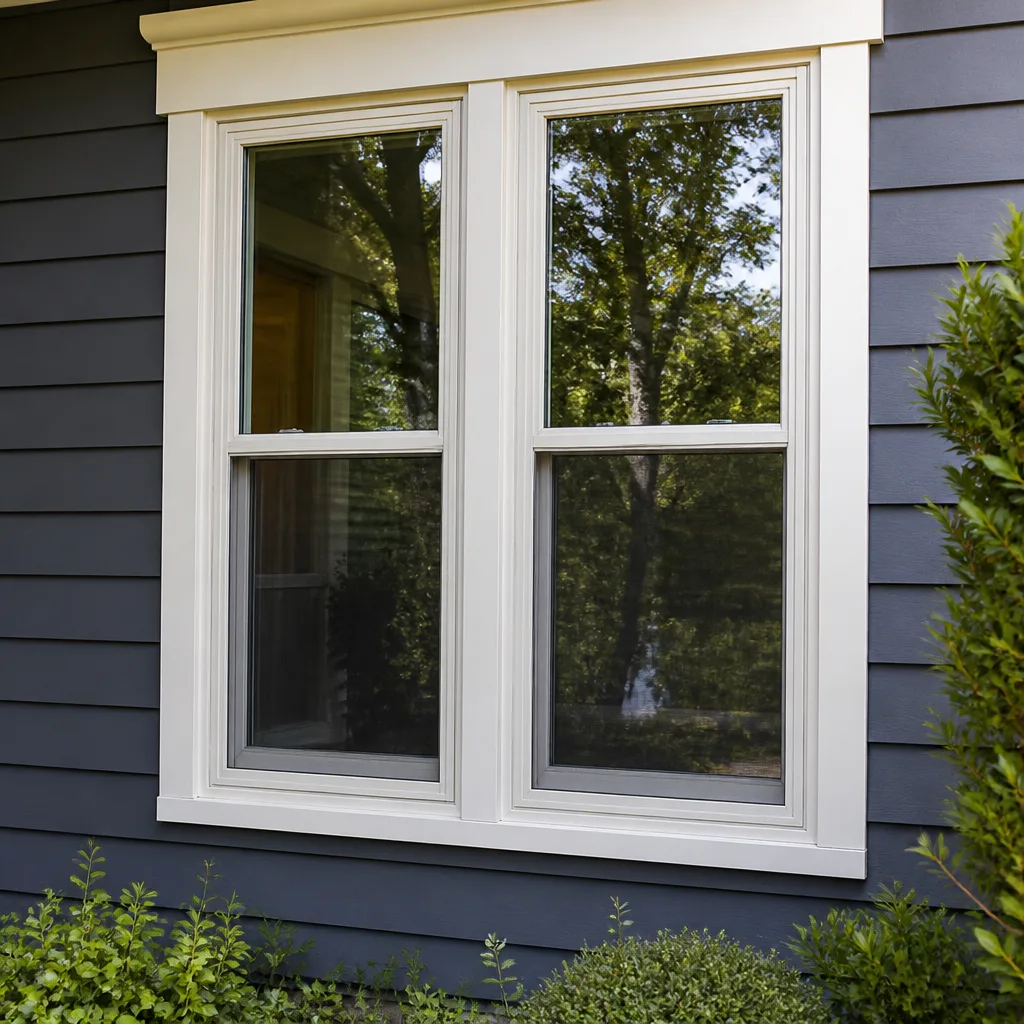
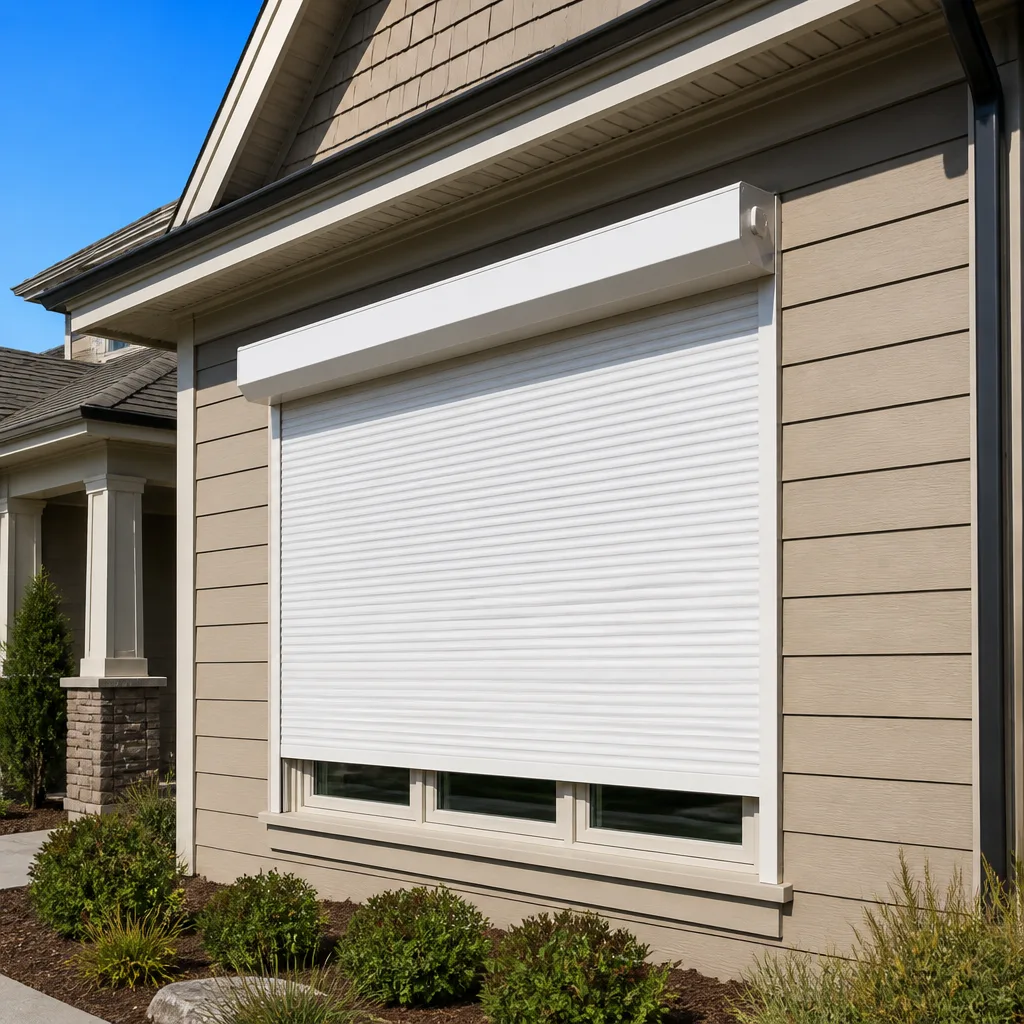
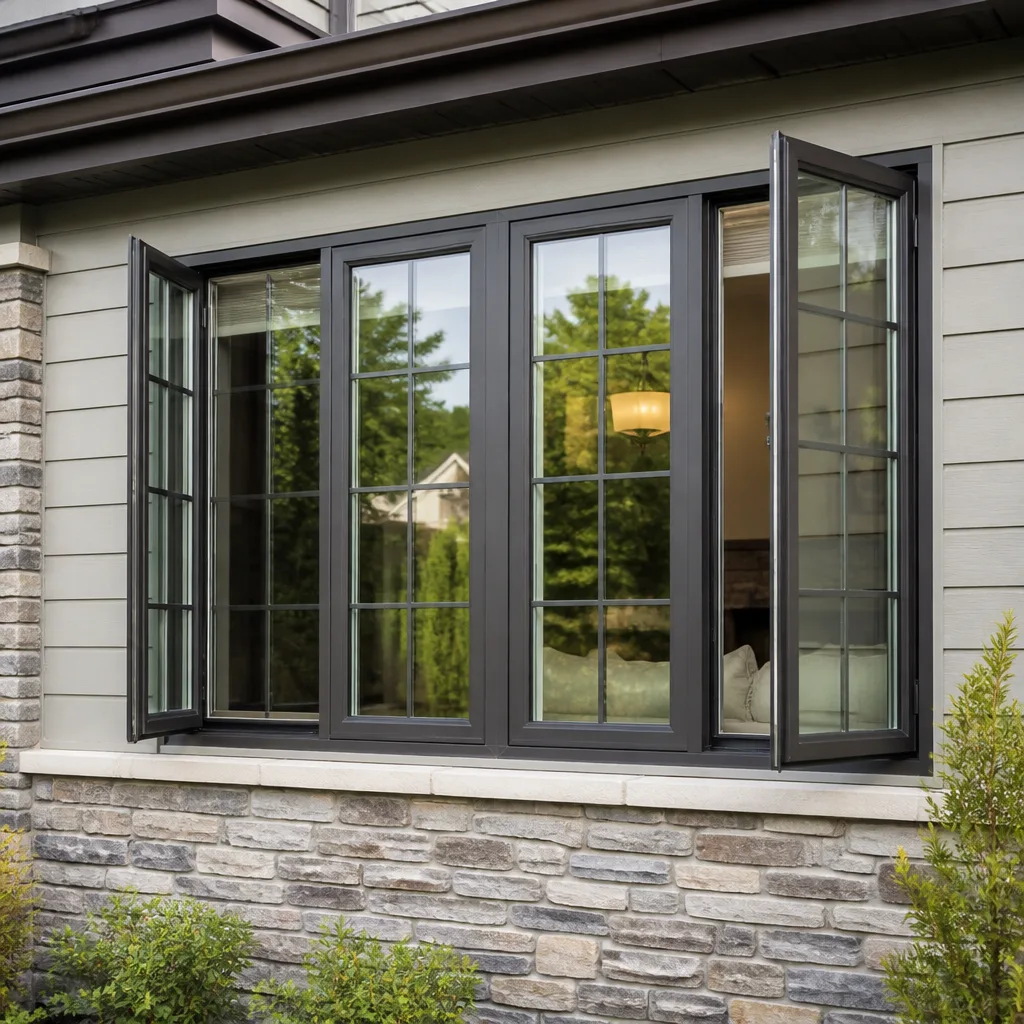
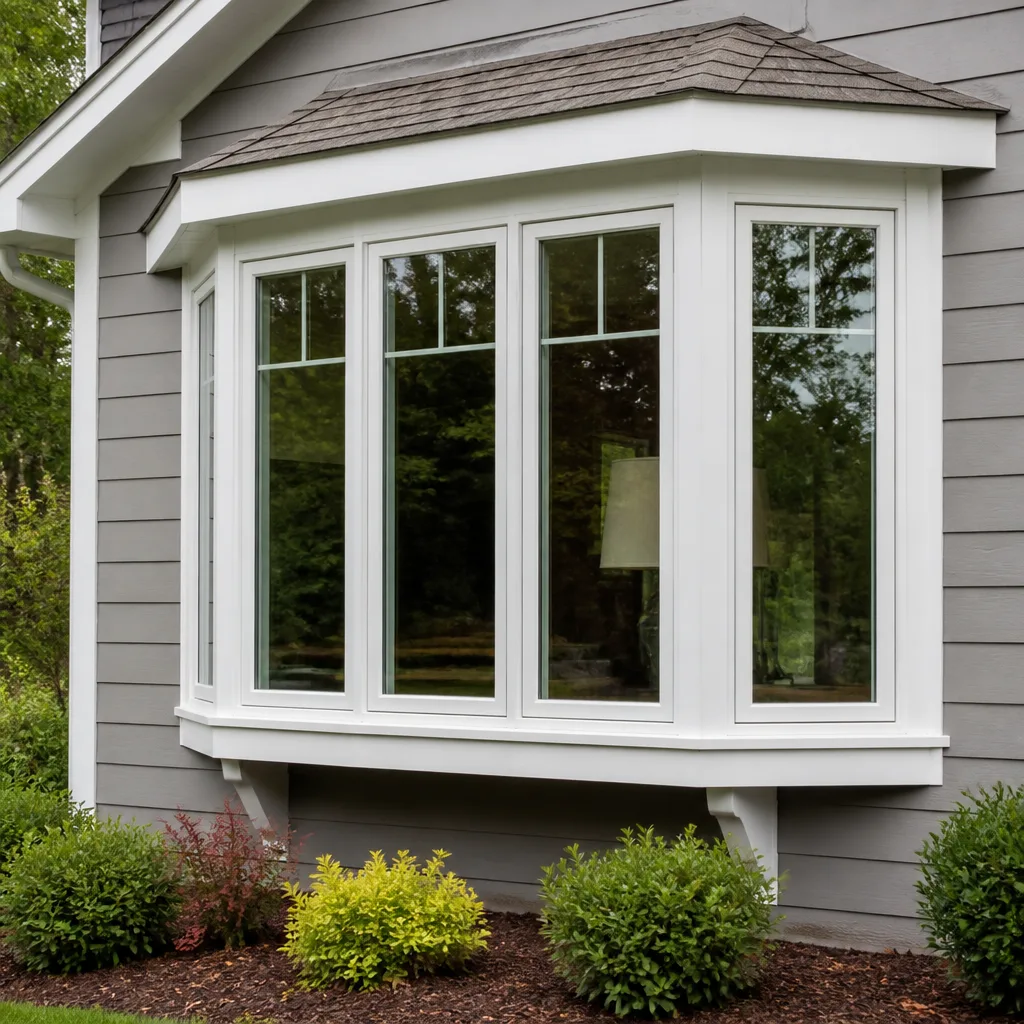
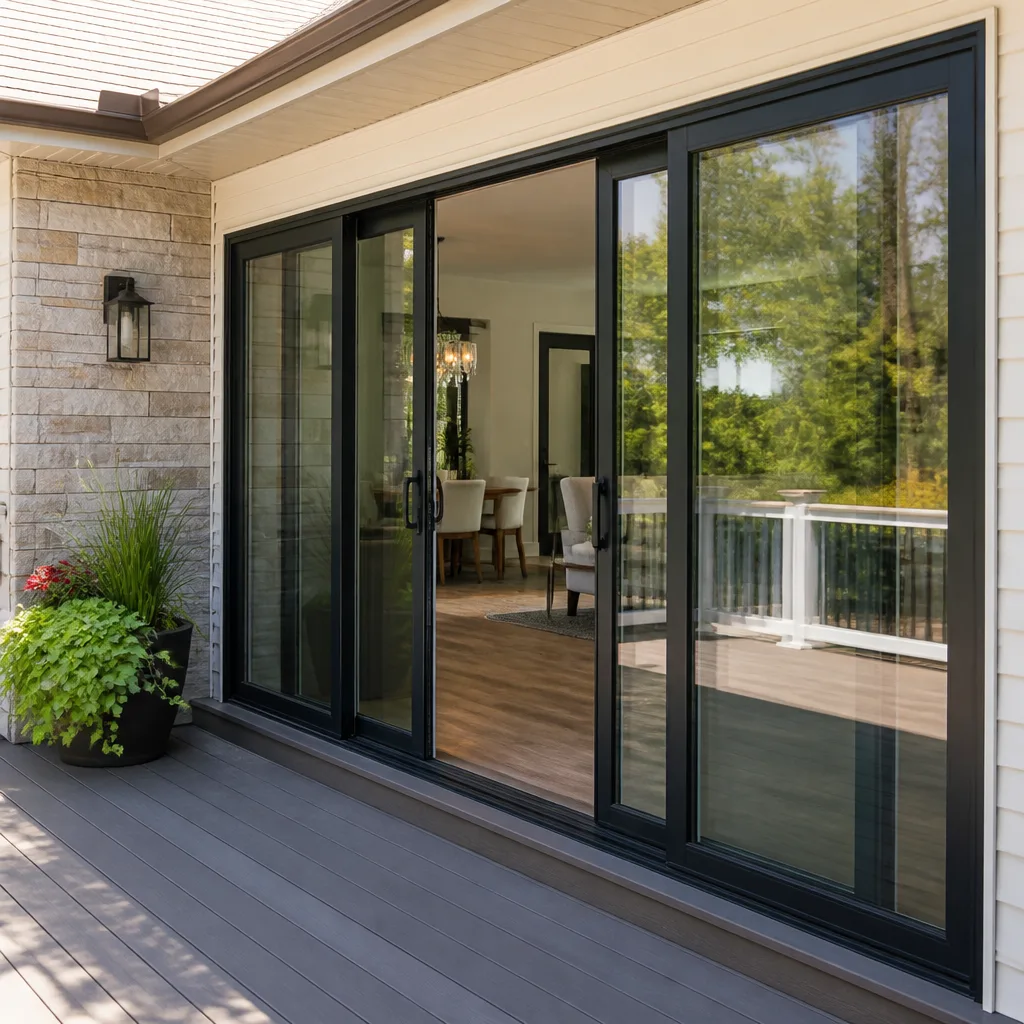
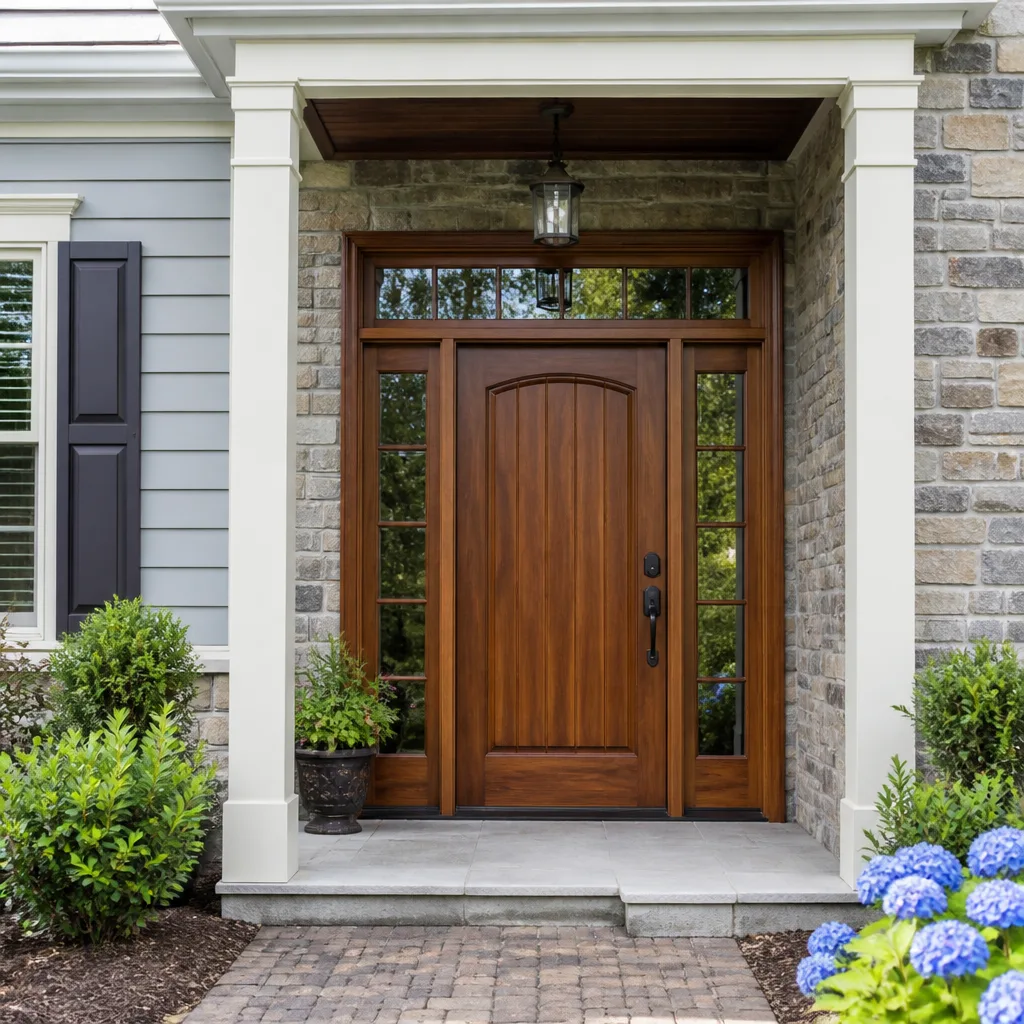
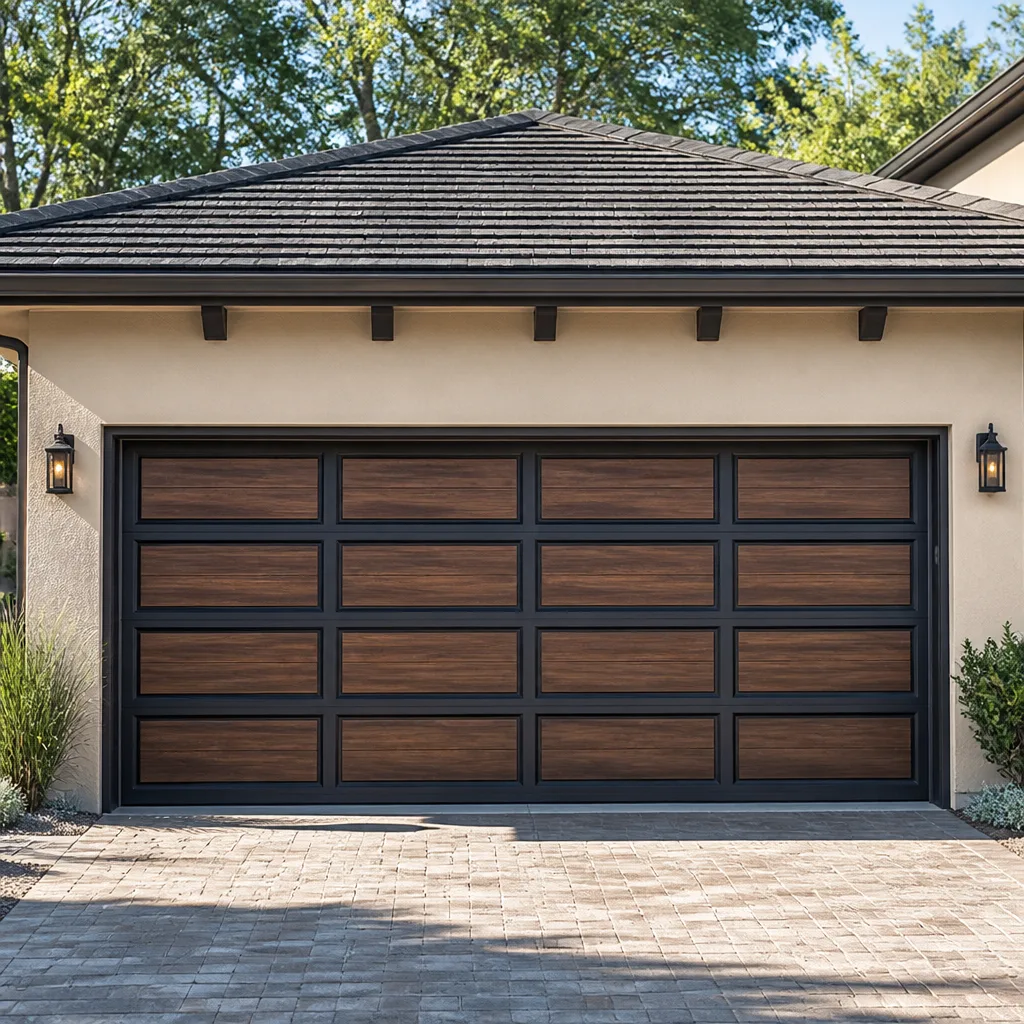
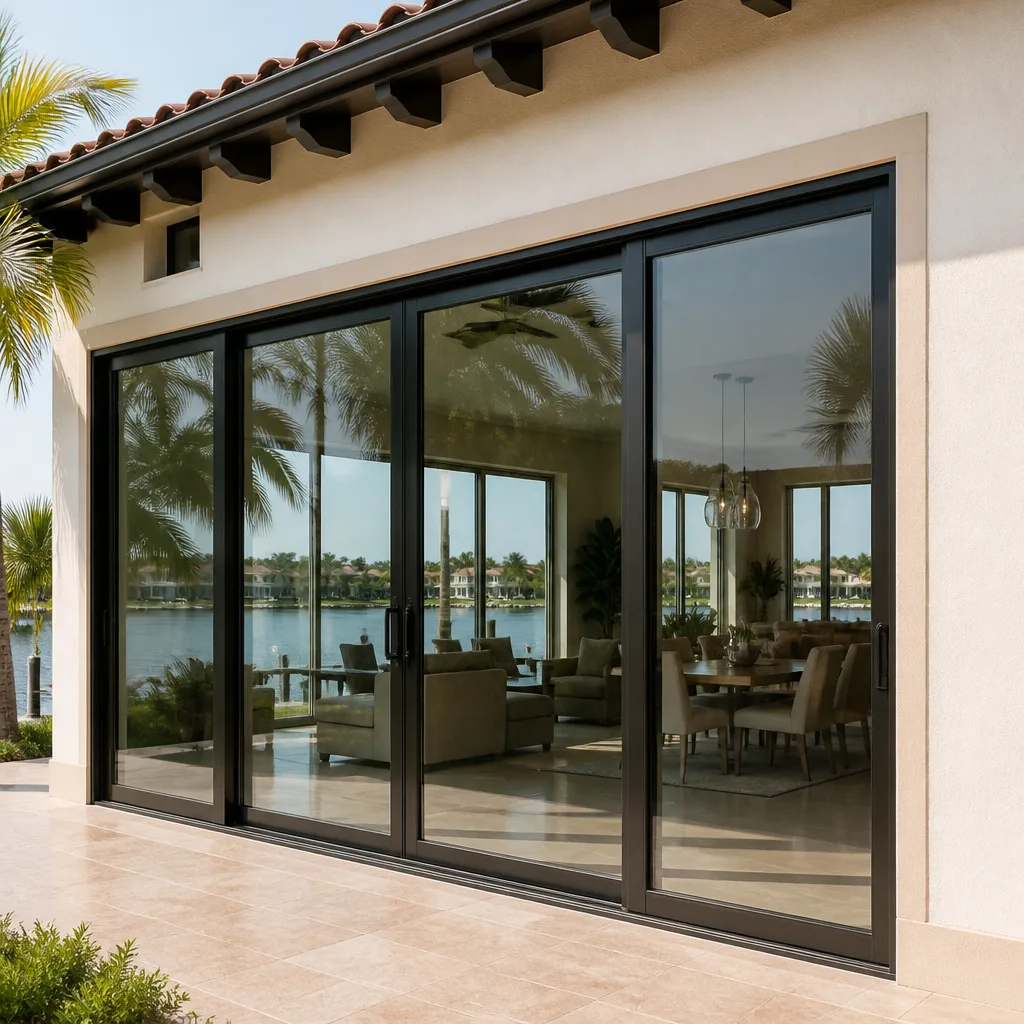
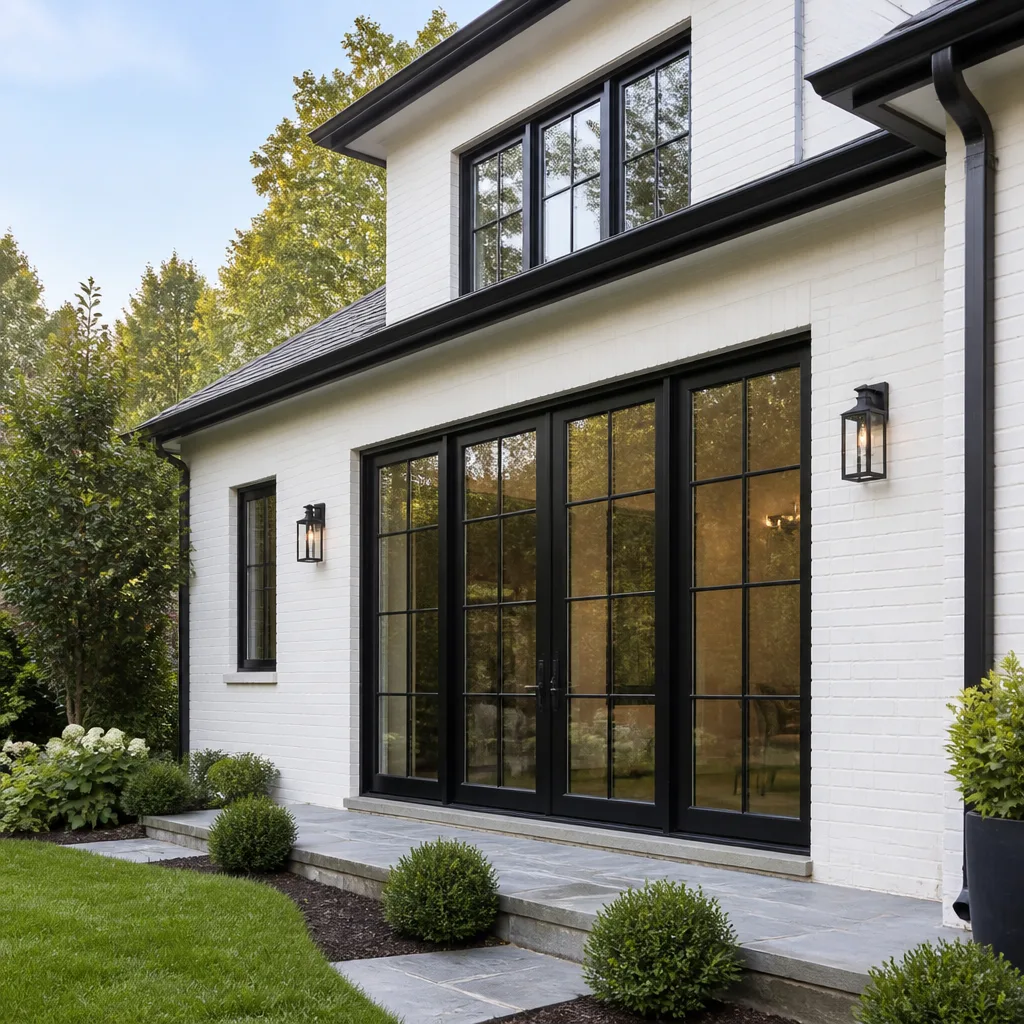
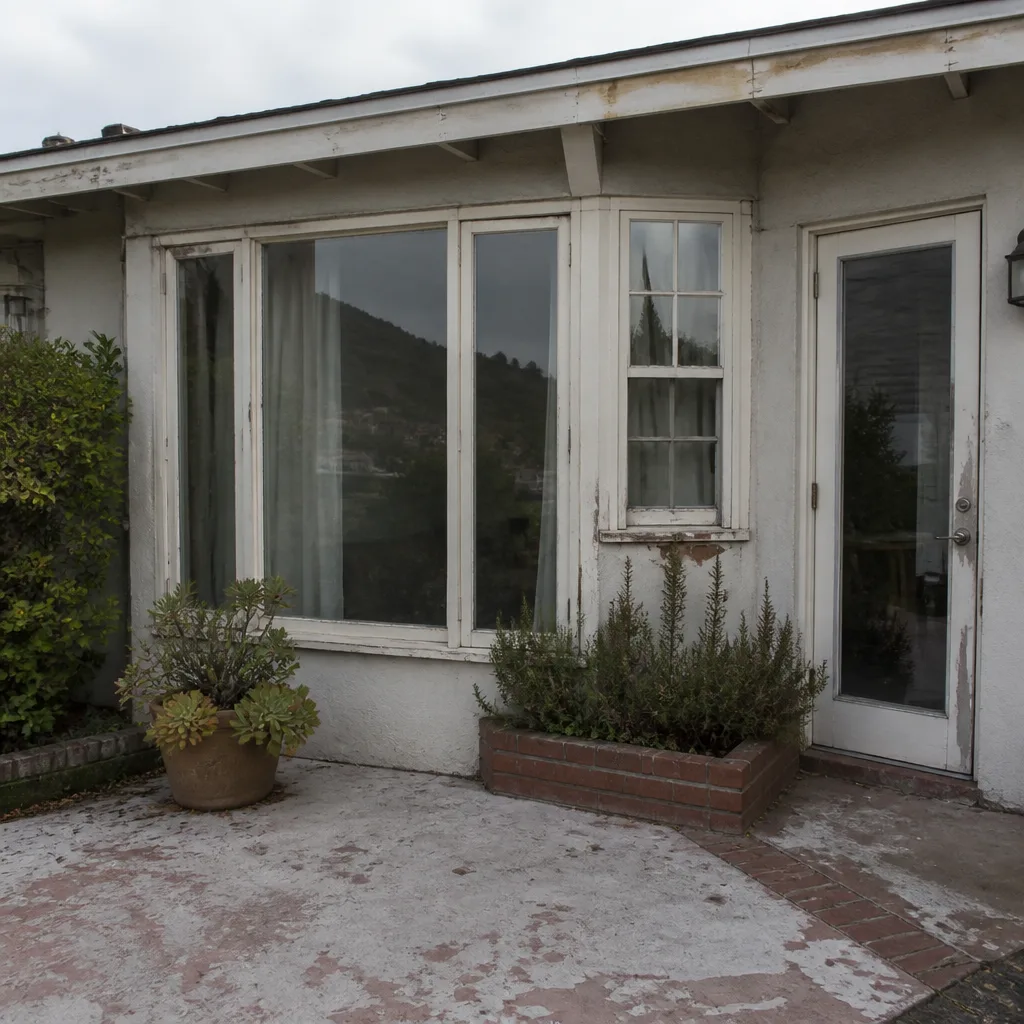 Before
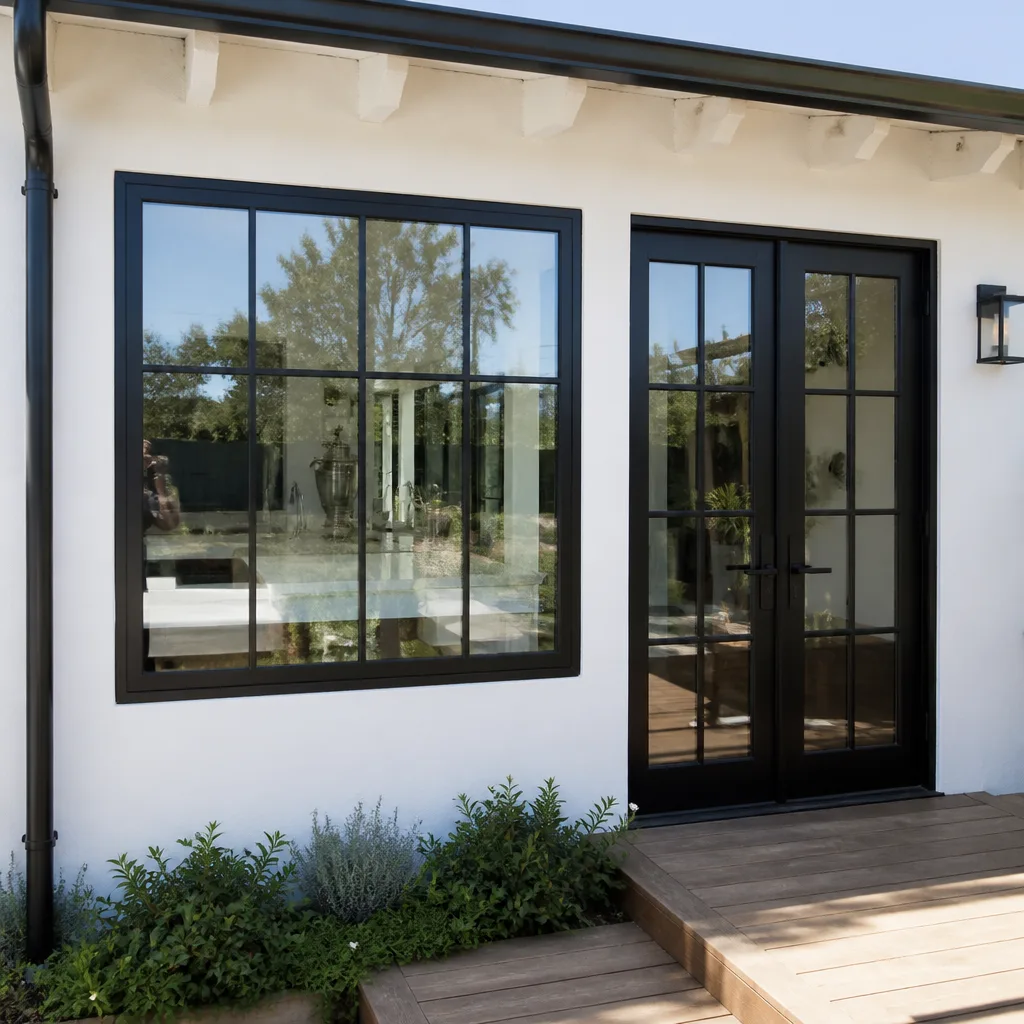 After
After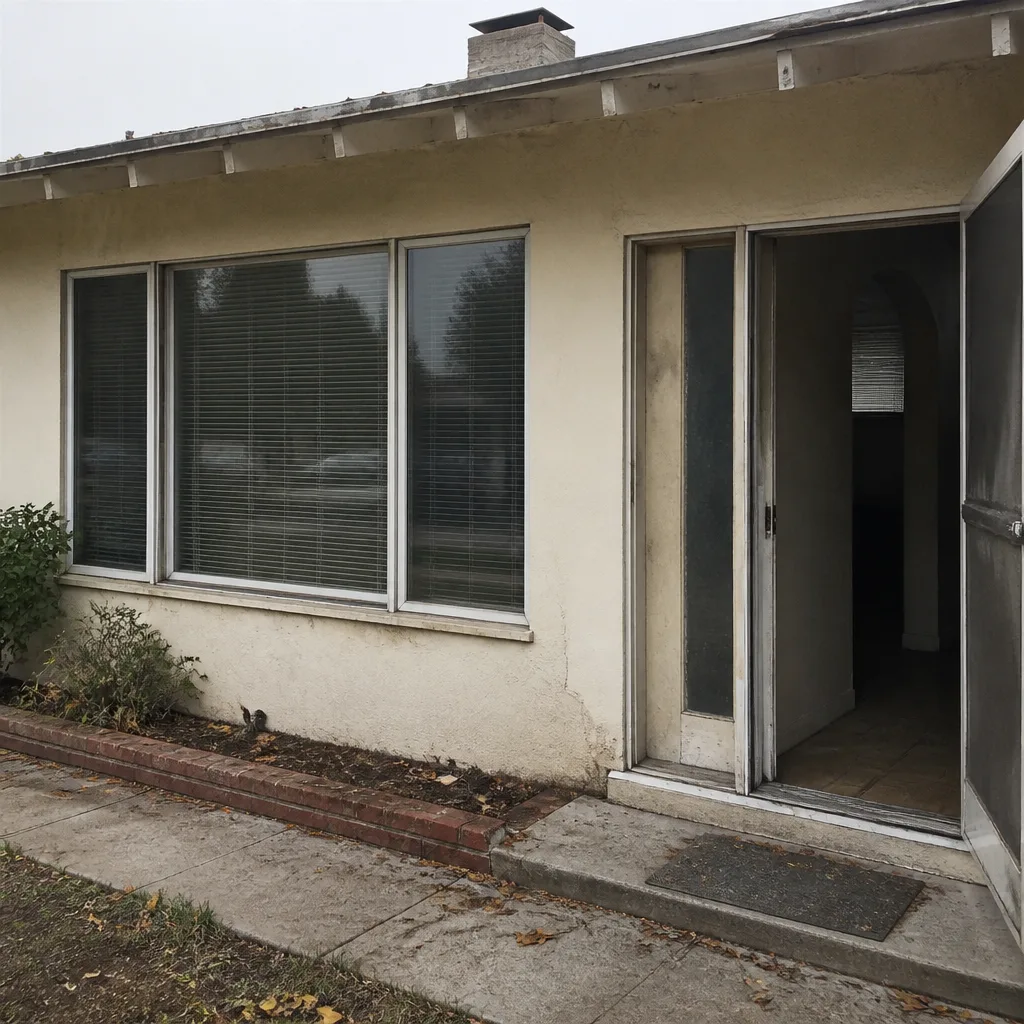 Before
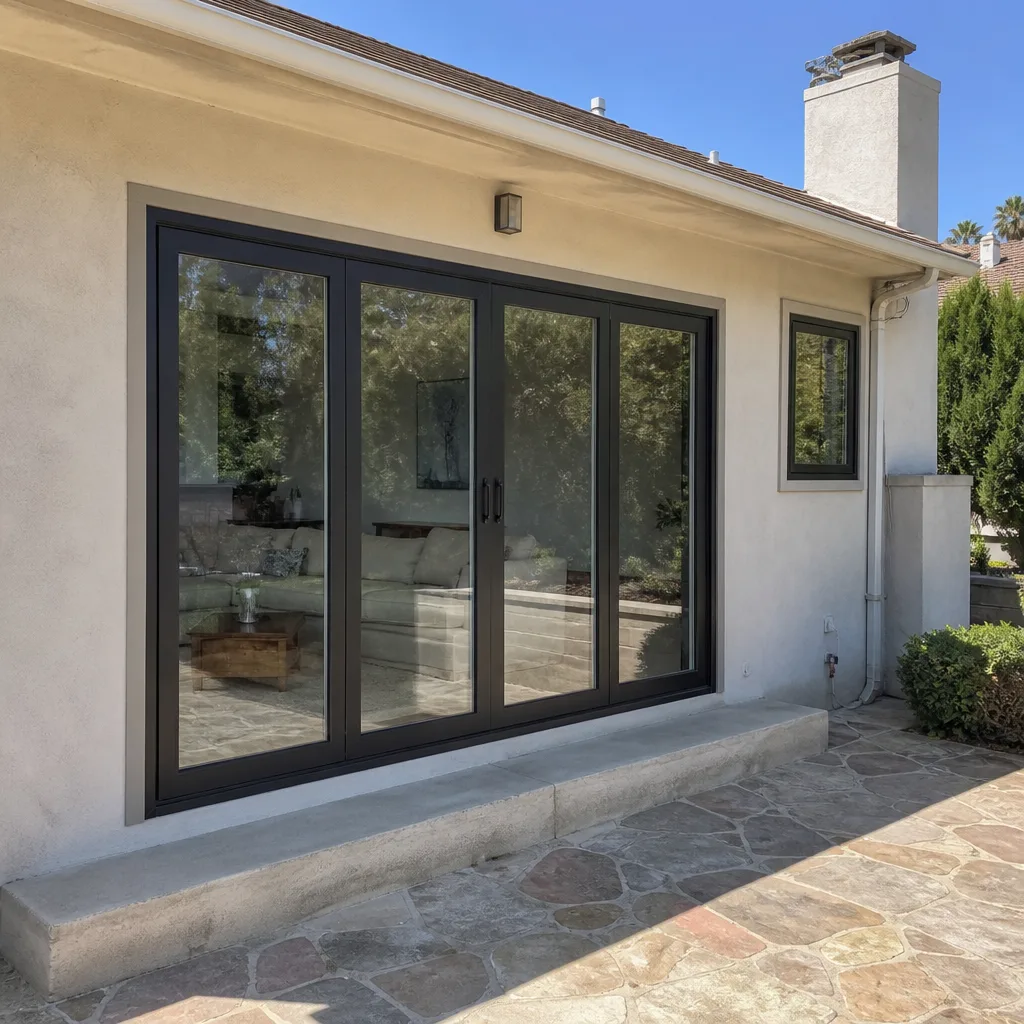 After
After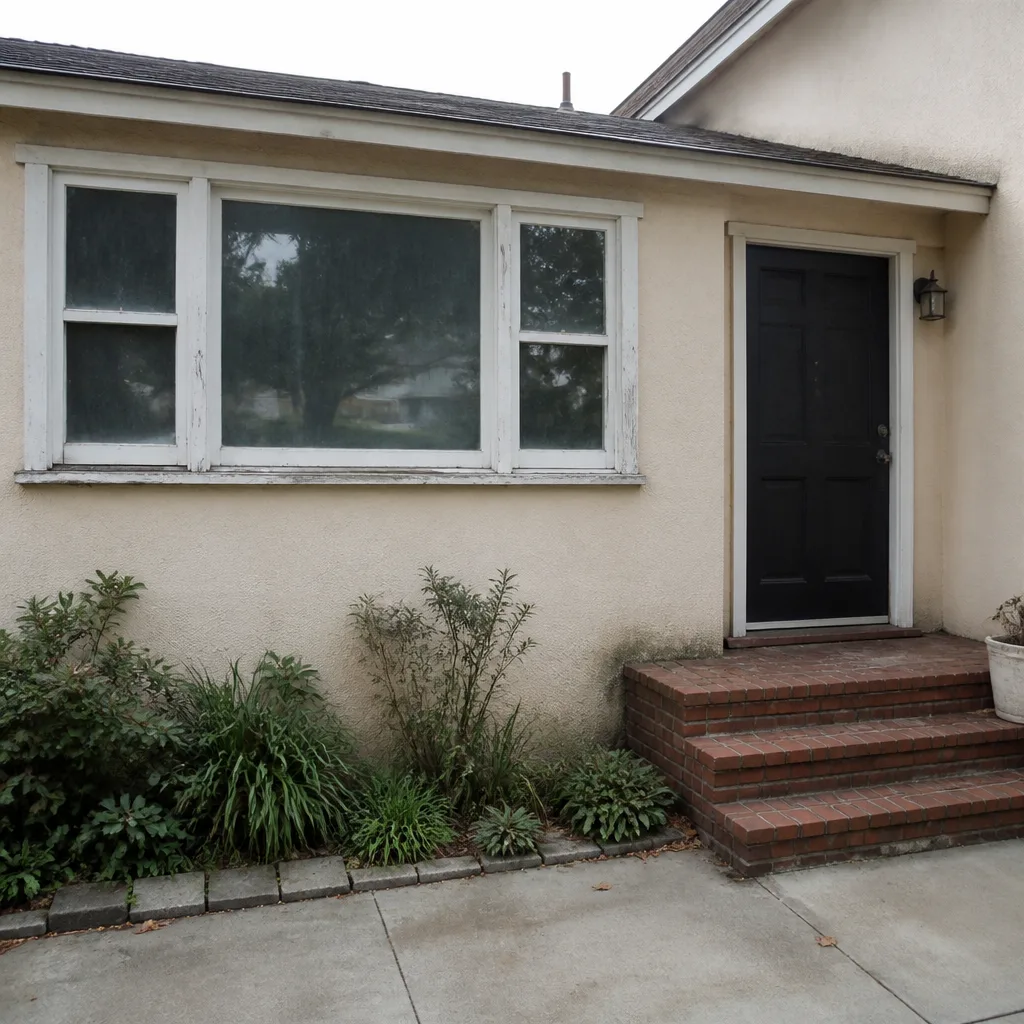 Before
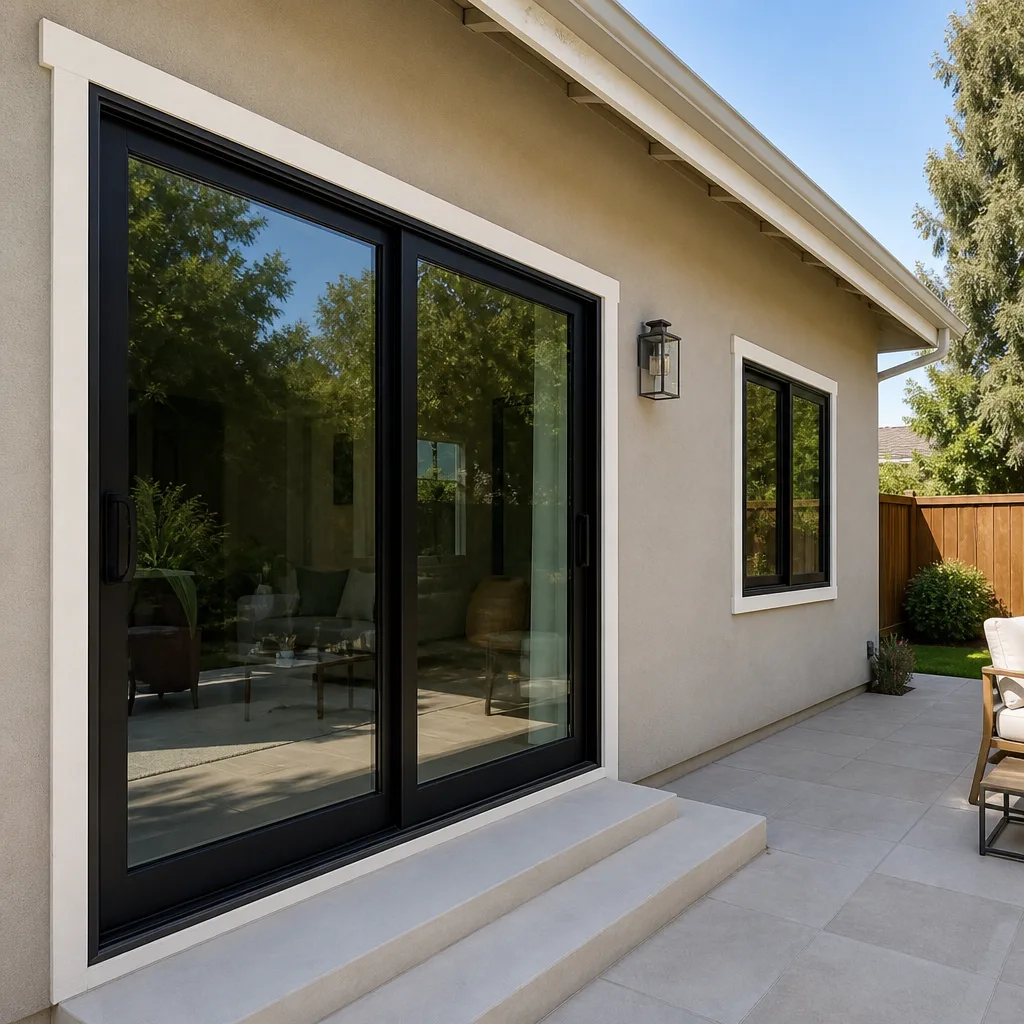 After
AfterBest Windows for Energy Efficiency
What’s Happening
If you’re searching for the best windows for energy efficiency, your current windows are almost certainly letting conditioned air escape and outside temperature in – and your utility bills are the evidence. Most homes with windows installed before 2015 are losing a measurable amount of heating and cooling through the glass, the frame, or the seal between the two.
That’s not a scare tactic. It’s what we find when a technician does an actual site survey with a thermal reading rather than a sales pitch. The fix depends on what’s failing – sometimes it’s the glass unit, sometimes the frame has shifted and broken the seal, sometimes the window was simply never the right product for that wall’s exposure. The diagnostic matters more than the upsell. Here’s how to read what your windows are telling you.
Why It Happens
Failed Insulated Glass Units (Broken Seals)
Double- and triple-pane windows hold an inert gas – usually argon – between the panes. When the seal fails, that gas escapes and gets replaced by ordinary humid air. The sign you can see: condensation or a permanent fog between the panes that doesn’t wipe away from either side. Once that seal is gone, the thermal performance of the glass drops sharply, and no amount of caulk on the exterior fixes what’s happening inside the unit.
Single-Pane Glass
Single-pane glass conducts heat and cold almost directly, with very little resistance. You’ll feel it standing near the window on a hot afternoon or a cold night – the glass is noticeably warm or cold to the touch, and the air near it behaves like a second thermostat. If your home was built before the late 1990s and the windows are original, there’s a reasonable chance you’re still running single-pane in at least some openings.
Frame Degradation and Air Infiltration
Wood frames rot. Older aluminum frames conduct temperature directly from outside to inside, bypassing the thermal break that modern frames include. Vinyl frames can warp or shrink over time, opening gaps at the corners. The homeowner test: hold a lit stick of incense near the frame edge on a windy day. If the smoke moves, air is moving through the frame or the rough opening, not through the glass.
Wrong Glass Specification for the Exposure
A window with a high Solar Heat Gain Coefficient on a west-facing wall will overheat an interior every afternoon. A low-SHGC window on a north-facing wall blocks the passive warmth you’d otherwise get for free in winter. This isn’t a product defect – it’s a specification mismatch, and it’s common in homes where the original builder used the same glass package on all four sides. The result is a room that’s never quite comfortable regardless of how hard the HVAC works.
What to Do Right Now
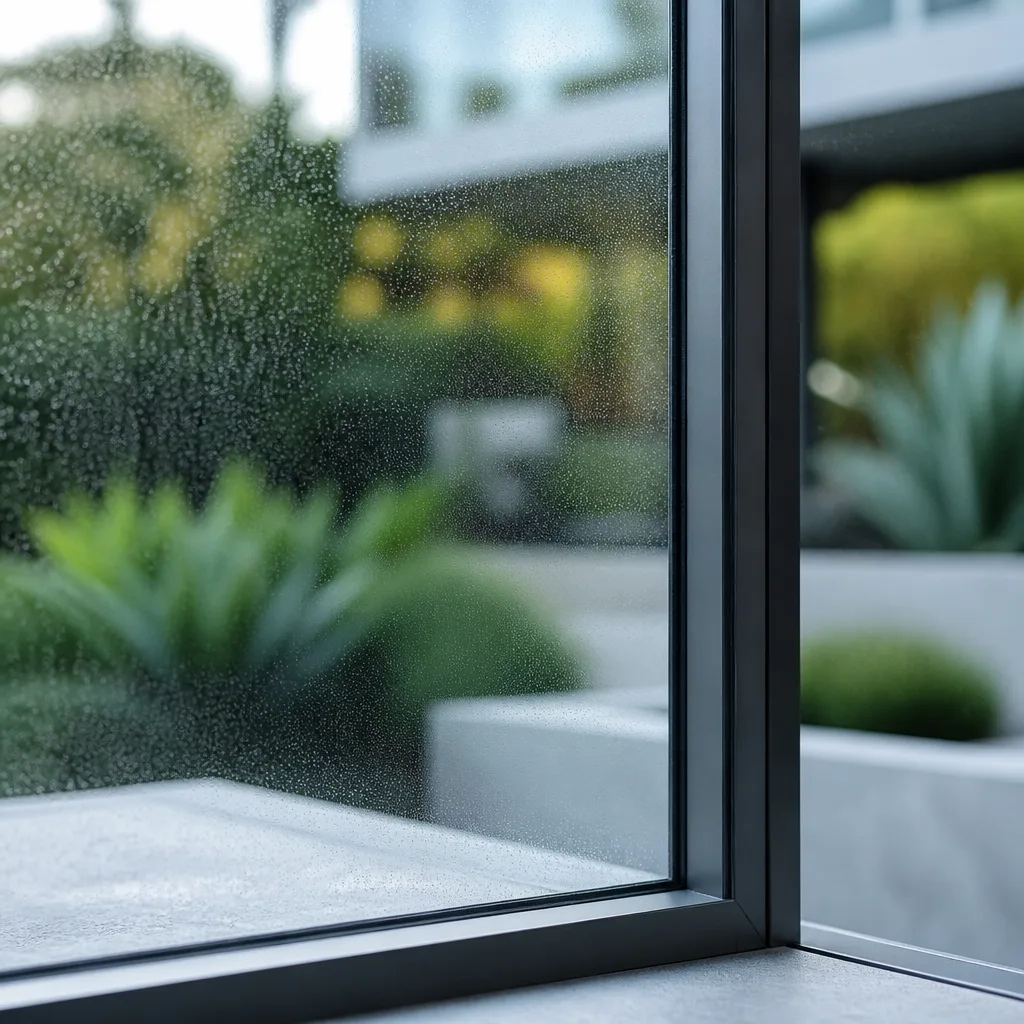
- Document what you’re seeing. Take photos of any fogging between panes, visible frame gaps, cracked glazing compound, or water staining near the sill. These are the same photos a technician will want, and having them ready shortens the survey.
- Note which rooms or walls feel the worst. Cardinal direction matters for diagnosis. Write down whether the problem rooms face north, south, east, or west – a west wall that runs hot every afternoon points to a glass specification issue, not necessarily a seal failure.
- Check your utility bills for the last 12 months. A sudden spike that tracks with a hot or cold season, rather than a general upward drift, suggests a specific failure rather than general aging across all windows.
- Do a simple airflow check at the frames. On a day with wind, hold your hand flat near the frame edge. Noticeable air movement means infiltration. This is safe to check yourself and is useful information for the technician.
- Stop using interior window film as a permanent fix. Plastic film over a failed seal or a single-pane window delays the diagnosis and can trap moisture in ways that accelerate frame damage. It’s a reasonable short-term measure, but it’s not addressing the cause.
BeforeAfterHow We Fix It
When your local Sightline Windows & Doors team arrives, the first thing they do is a measured survey – not a walkthrough with a clipboard, but actual readings and documentation of what each opening shows. Glass unit condition, frame integrity, current performance specification, rough opening dimensions. You keep that survey. The written quote cannot differ from it.
For most efficiency problems, the resolution is Window Replacement or Energy-Efficient Window Installation, depending on whether the frame is reusable. If the frame is structurally sound and correctly sized, a glass unit replacement may be sufficient. If the frame is degraded or the original specification was wrong for the wall’s exposure, a full replacement with a product drawn from our eight manufacturer lines – PGT, CGI, CWS, ES Windows, ECO Window Systems, Mr-Glass, Therma-Tru, or ViewLux – is the path that actually solves the problem.
The price is written before anything starts. Every completed job leaves a documented photo record. That’s Haven Clause 4 – Evidence on every job – and it’s not an upsell, it’s how every job works under the 365-Day Done Right Promise.
Frequently Asked Questions
There is no single best window – there’s the right specification for a given wall’s orientation, climate exposure, and frame situation. Double- or triple-pane units with argon fill, low-emissivity coatings calibrated to the sun exposure on that wall, and thermally broken frames consistently outperform single-pane or poorly specified alternatives. The glass packages we draw from across PGT, CGI, CWS, ES Windows, ECO Window Systems, Mr-Glass, Therma-Tru, and ViewLux cover the full range of performance tiers. What your local Sightline team will do is match the product to the opening, not push whatever is easiest to install.
A failed seal or aging single-pane glass won’t create a safety emergency, but it will cost you money every month it stays in place – and a degraded frame that’s letting air through can eventually let water through too. Water infiltration around frames is worth addressing before it reaches the rough opening or the wall cavity, where the repair becomes significantly more involved. If you’re seeing any staining, soft spots on the sill, or paint bubbling near the frame edge, call (509) 265-6387 sooner rather than later.
We don’t publish flat prices here because the number depends on the opening count, glass specification, frame condition, and the product line that fits the job. What we can tell you is that every engagement starts with a free written estimate – the price for your specific job, in writing, before anything starts. That’s not a promotion or a limited-time offer; it’s how Sightline has worked since 2012. Call (509) 265-6387 to schedule the survey and get the number on paper.
Your local Sightline team will work to schedule a survey as quickly as their calendar allows in your area. The first step is always the measured survey – that’s what produces the written estimate, and you can’t skip it and still get accurate pricing. Call (509) 265-6387 and a live person will answer, not a voicemail queue. They’ll tell you exactly when a technician can be at your door.
Get It Fixed
Your local Sightline Windows & Doors team will survey every opening, put the price in writing before anything starts, and back the finished job with the 365-Day Done Right Promise. Call (509) 265-6387 to schedule your free written estimate – a live person picks up, any time you call.
Written by Sonia Raman, Owner at Sightline Windows & Doors, serving communities nationwide since 2012.
What Our Customers Say
"The survey measurements and the quote were the same piece of paper. Nothing changed on install day, which is not what happened with the two other companies we had out."
- Annette R."Replaced eight windows. They showed me the U-factor on the units they were actually fitting rather than the brochure numbers."
- Kofi B."They photographed the rotten sill they found under the old frame before replacing it, and the extra cost was agreed in writing before they carried on."
- Rosalind C.