

Free in-home measure and quote - PGT, CGI and CWS impact lines compared on your actual openings, style by style
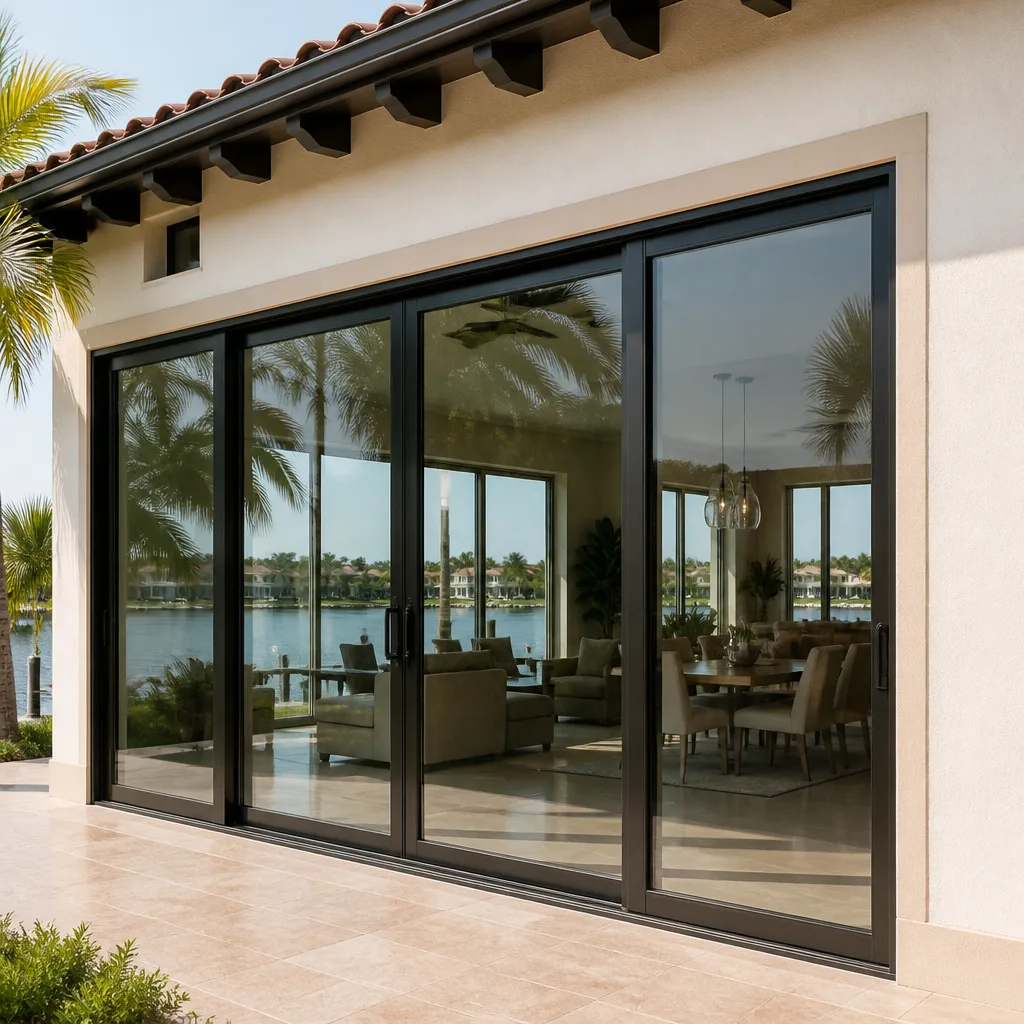
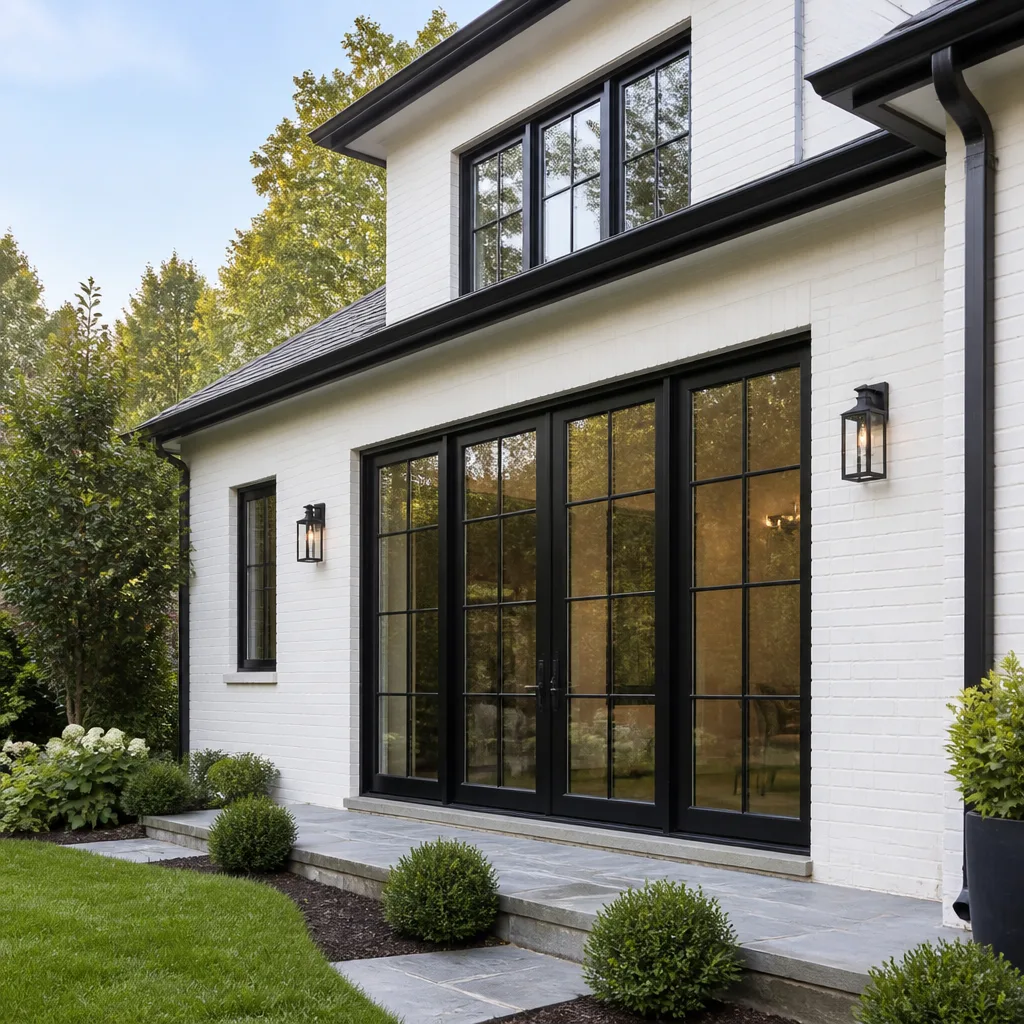
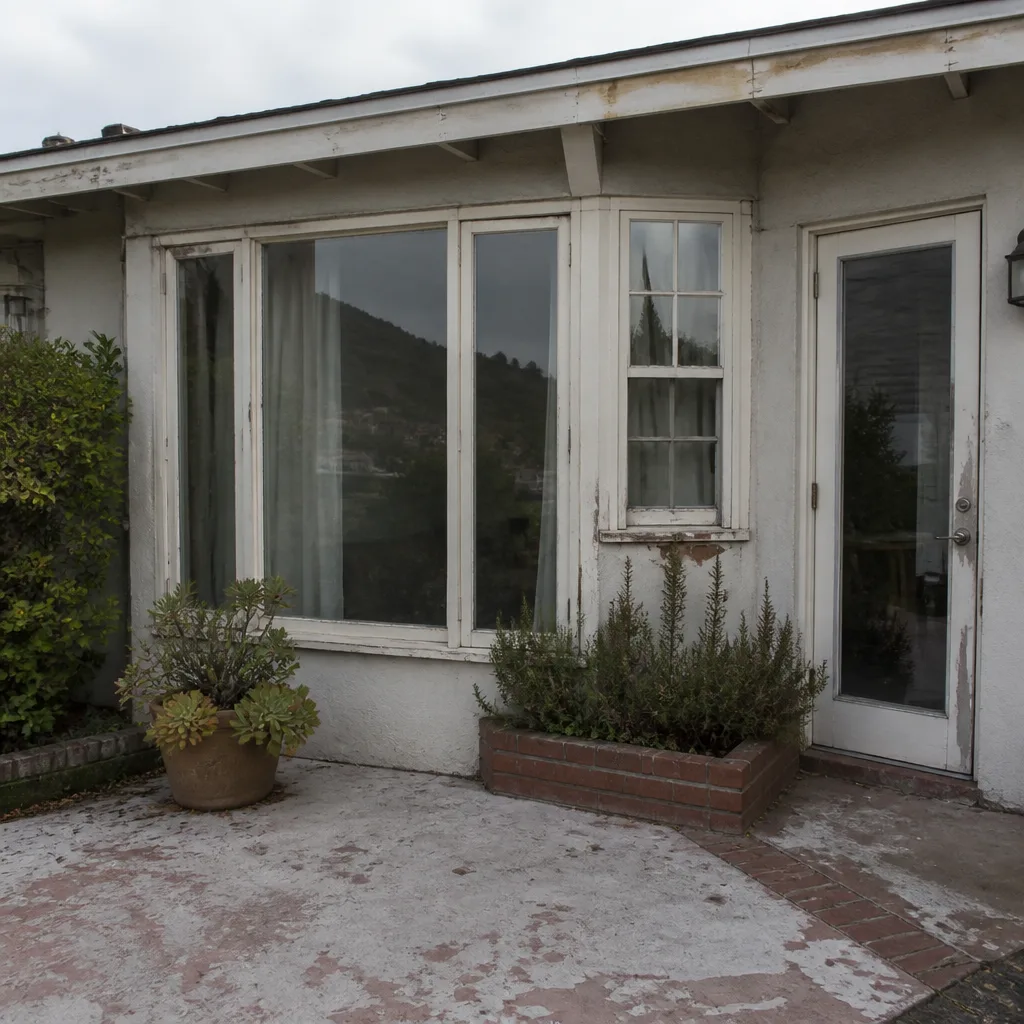 Before
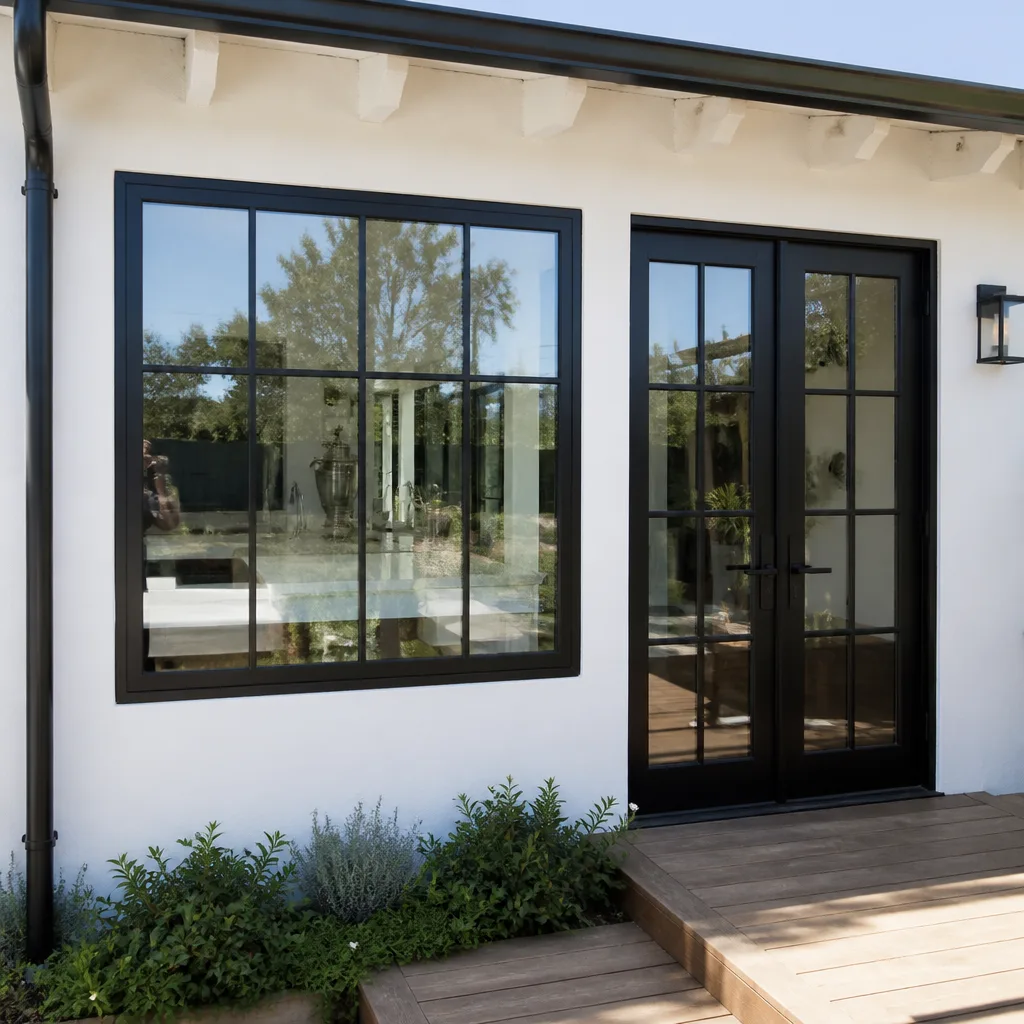 After
After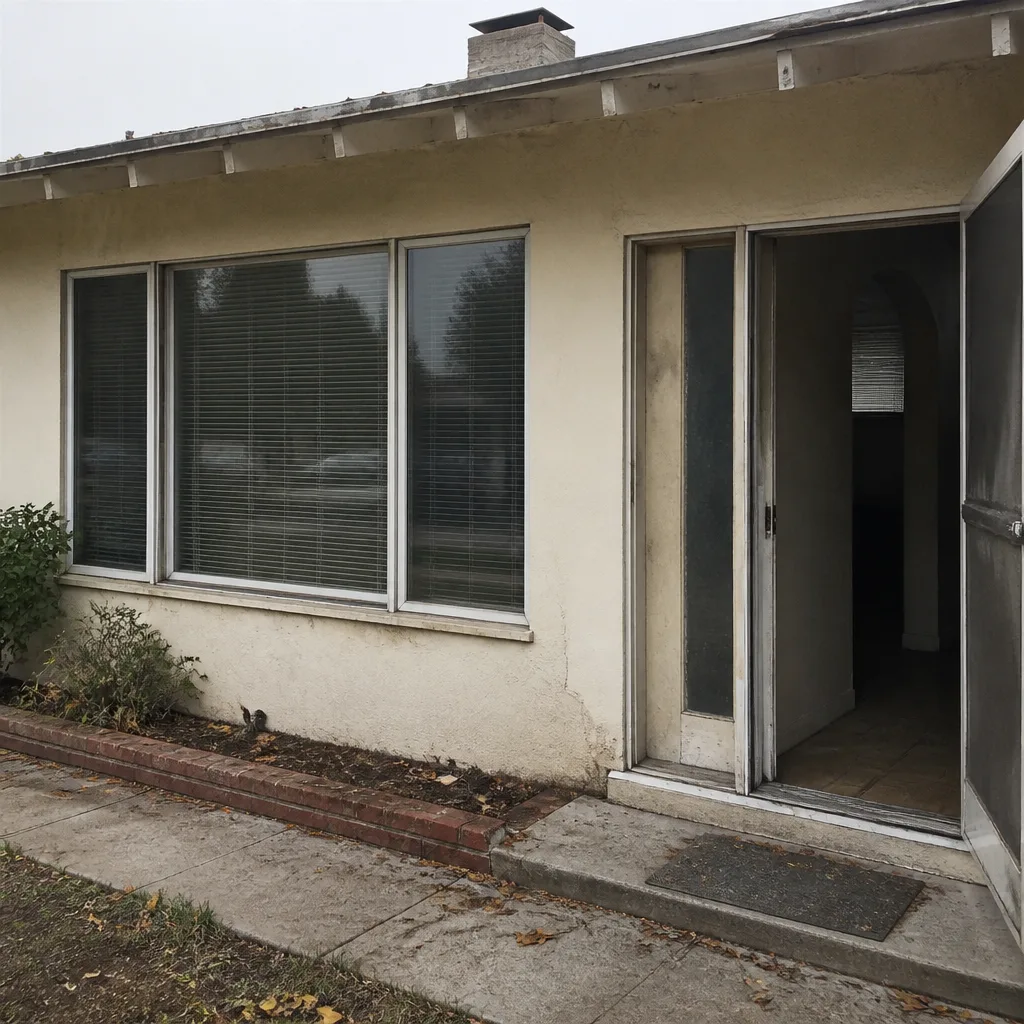 Before
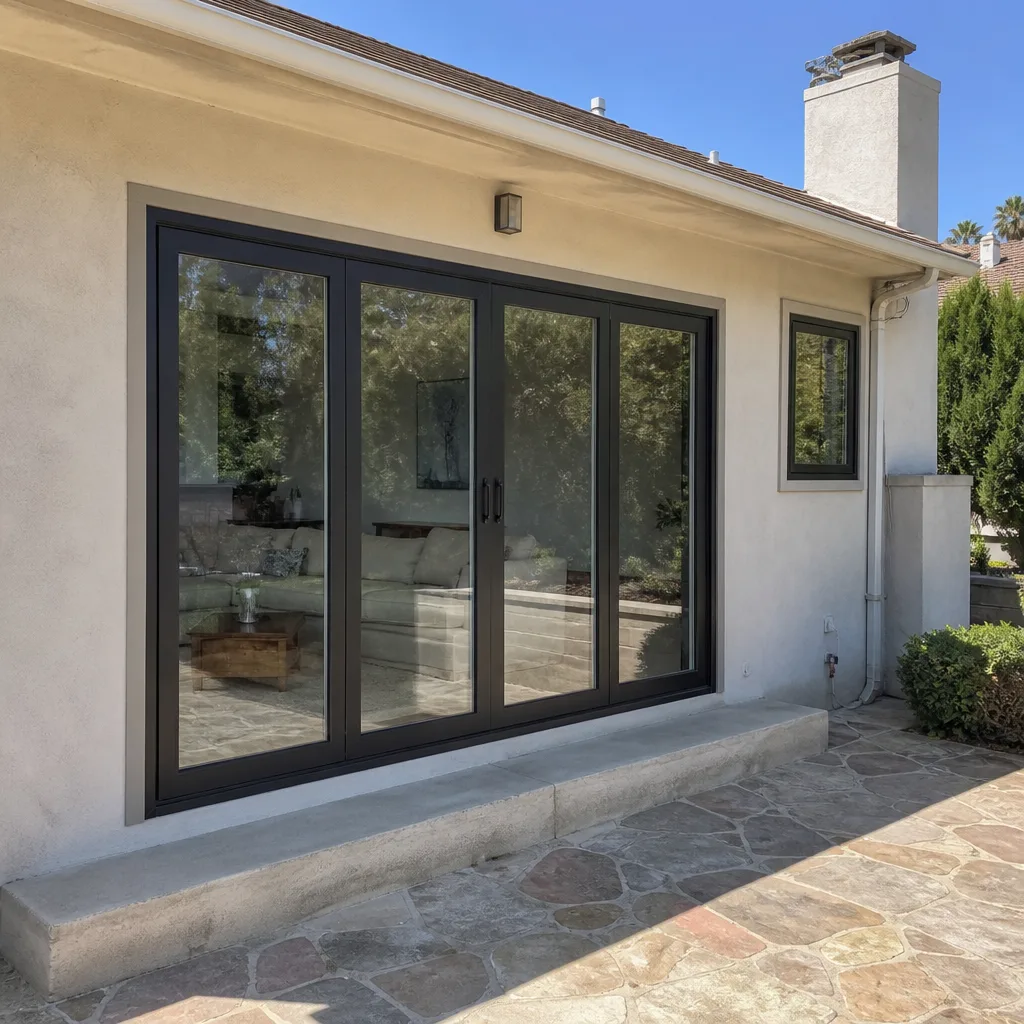 After
After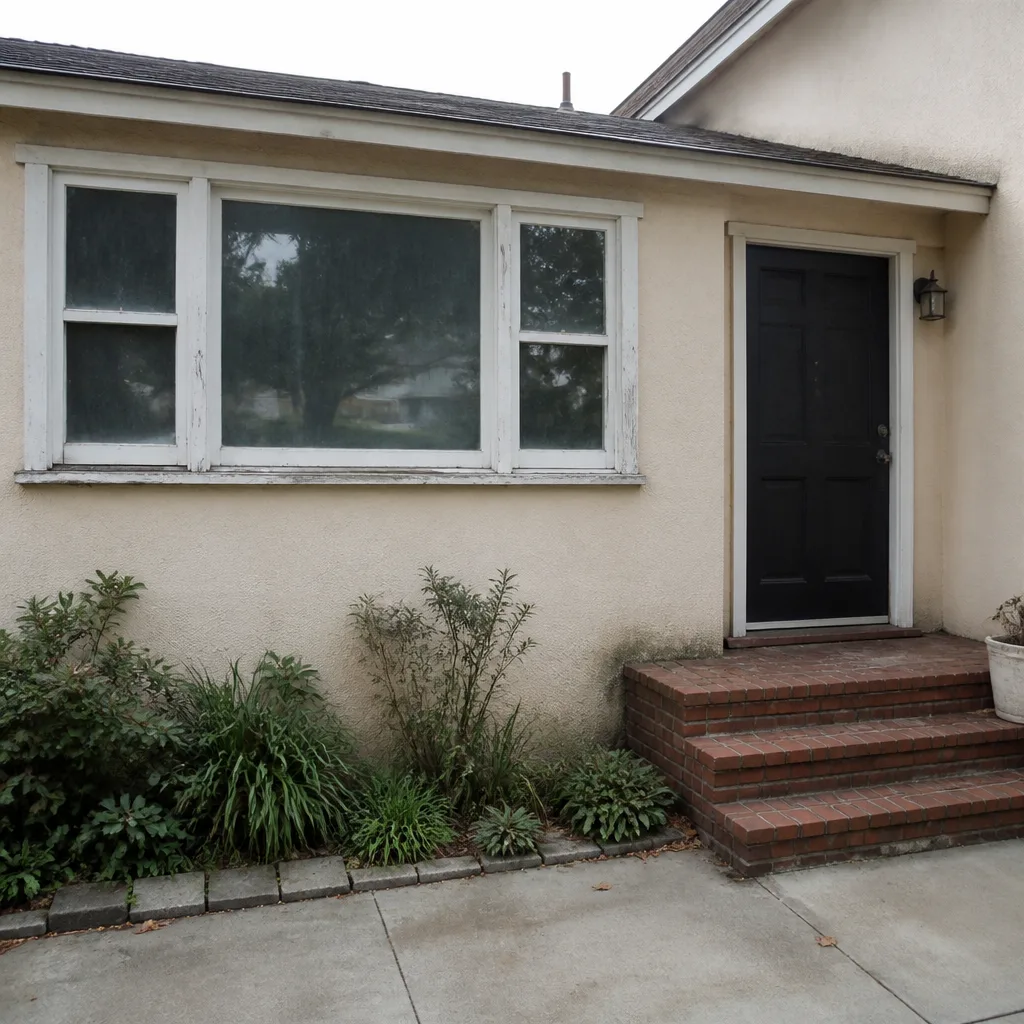 Before
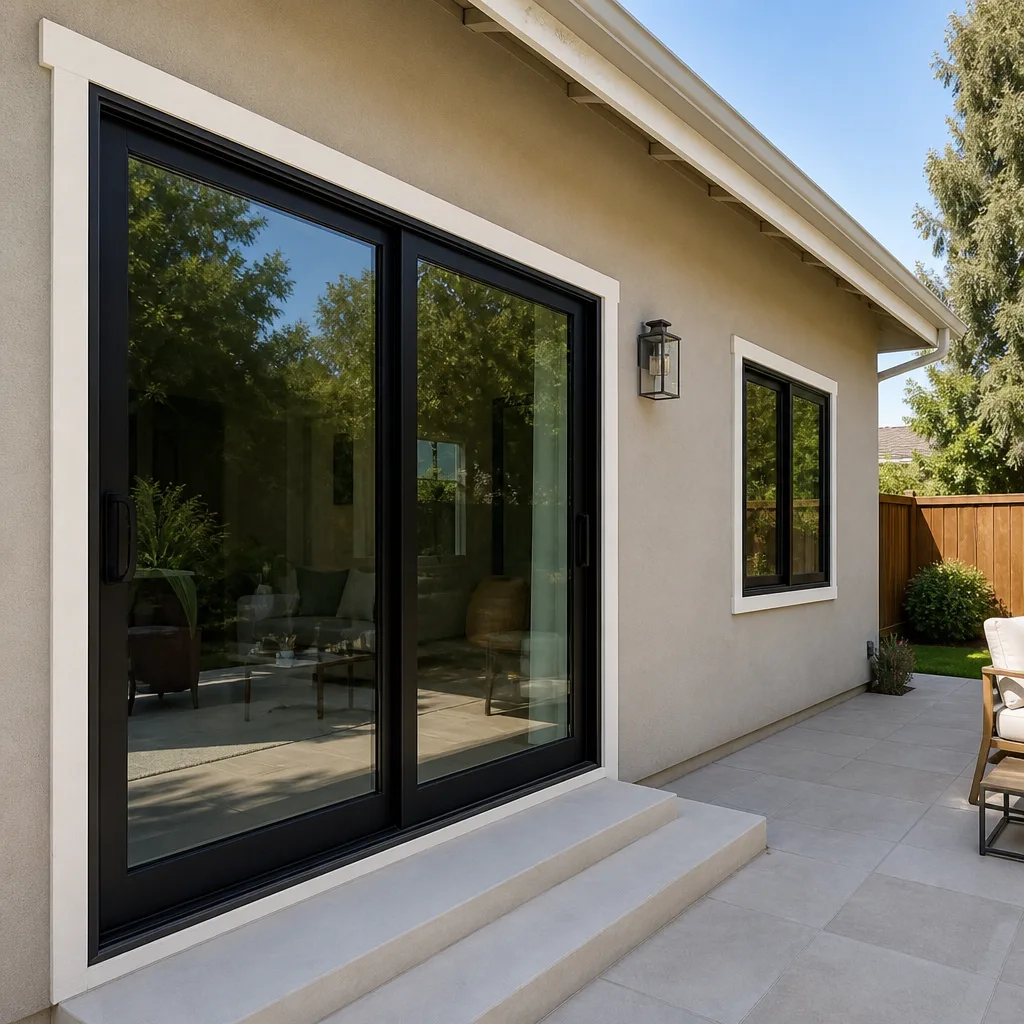 After
AfterYour Window Stopped Working – Here’s What That Usually Means
A window that won’t open, won’t close, or won’t stay in position has almost always failed at one of four points: the balance system, the hardware, the frame, or the glazing seal. In most cases the window itself is salvageable, but a few of those failure modes mean the whole unit needs to come out. The right answer depends on what you can see right now, so start there.
Windows don’t fail quietly. When a double-hung won’t stay up, when a casement handle spins without catching, when a slider jumps its track – those are mechanical signals, and each one points to a different part. Walking through the symptoms below will tell you which category you’re in before anyone knocks on your door.
Why It Happens
1. The Balance System Has Failed (Most Common in Double-Hung Windows)
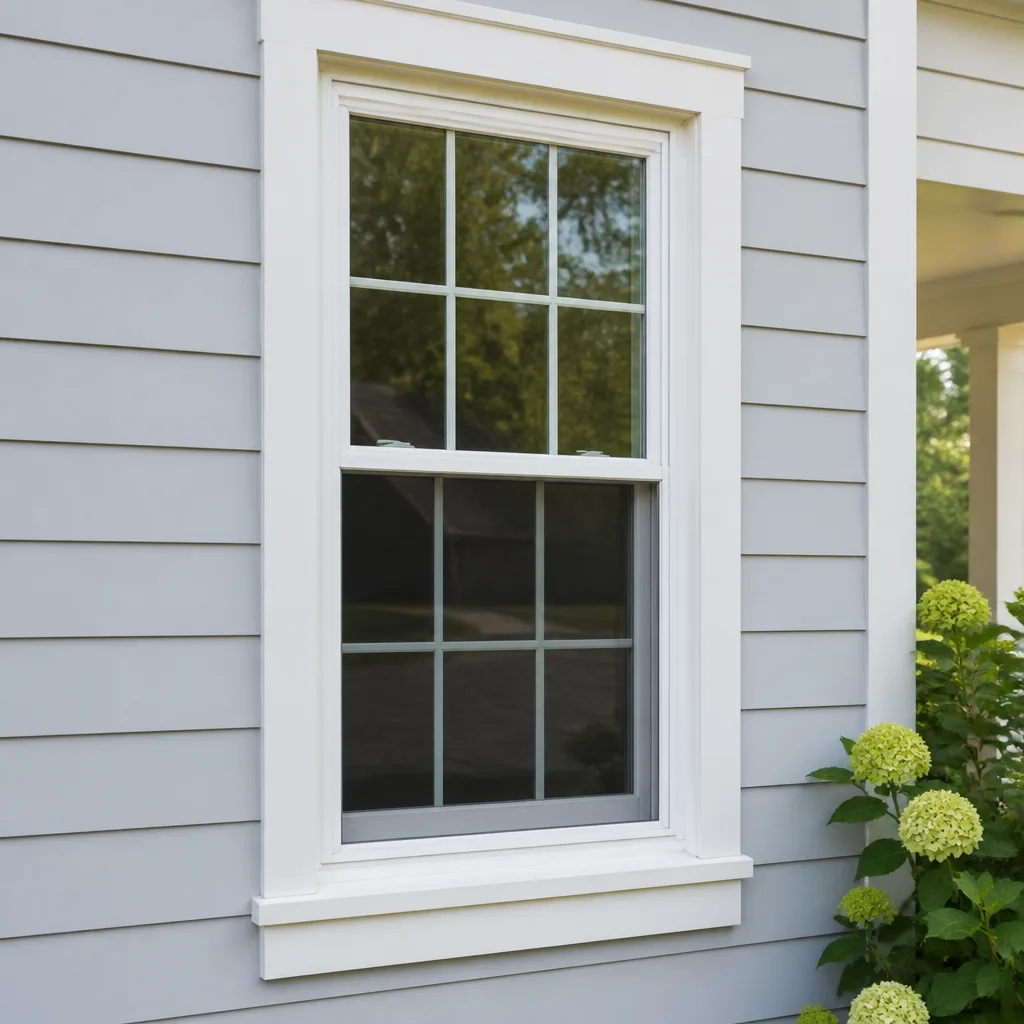
The balance is the hidden mechanism – usually a spring or a spiral rod inside the frame channel – that holds the sash in place when you let go. When it wears out or breaks, the sash drops immediately or refuses to stay up at all. You’ll know this is the problem when the window slides freely but won’t hold position: push it halfway up, let go, and it falls. That’s a balance failure, not a frame problem.
2. Hardware Wear on Casement and Awning Windows
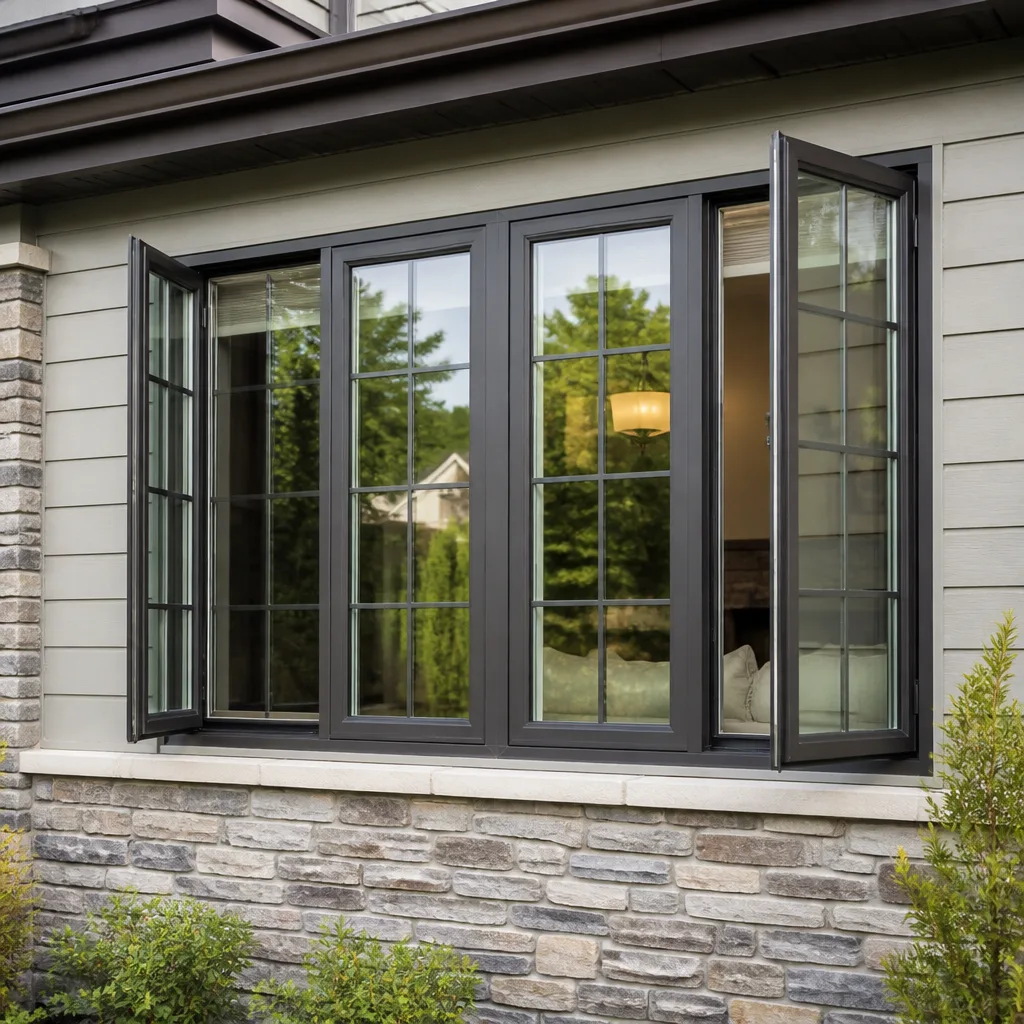
Casement and awning windows use an operator – a crank mechanism with a gear arm – to push the sash out and pull it back in. After years of use, the operator’s gear strips or the arm disconnects, and the crank turns without moving anything. You can usually see this: if the handle turns with no resistance and the sash doesn’t move, the operator is gone. Sometimes the espagnolette lock (the multi-point locking bar on taller casements) seizes separately, and the window becomes impossible to latch even when the operator still works.
3. Frame Warping or Track Damage on Sliding Windows and Patio Doors
Sliding units ride on a track, and that track takes a beating over time – dirt, debris, physical damage, and seasonal expansion all degrade it. A slider that used to glide now drags, jumps, or won’t fully close. Run your hand along the track with the panel open: if you feel a raised seam, a bent section, or gritty buildup that doesn’t brush away, the track is the problem. Frame warping from moisture intrusion looks similar but feels different – the panel binds in the corners, not evenly across the bottom.
4. Seal Failure and Fogged Glazing
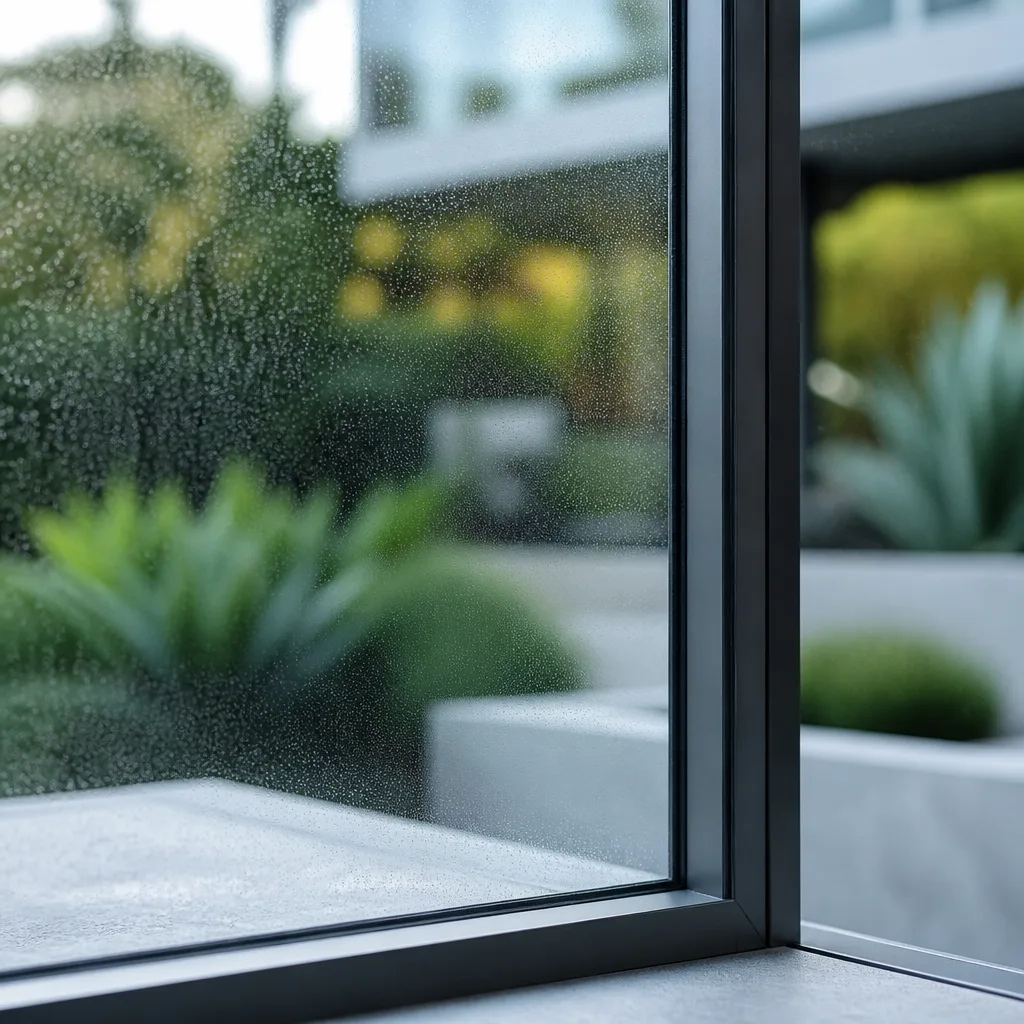
If the window operates but the glass looks hazy, milky, or has condensation trapped between the panes that won’t clear, the insulated glass unit (IGU) has lost its seal. Moisture has entered the air space between the panes. The window still opens and closes, but it’s no longer insulating, and the haze won’t go away on its own. This is a glass replacement issue, not a hardware issue – and it’s separate from the operation problem, even if both are present on the same unit.
What to Do Right Now
- Stop forcing it. If the window is binding, jamming, or not latching, stop applying pressure. A sash under tension from a failed balance can release unexpectedly and drop fast. Don’t prop it open with an object and walk away.
- Photograph what you see. Take a photo of the window in its current position, then close-up shots of the hardware, the track, and any visible damage to the frame or glazing. Your local Sightline Windows & Doors team uses that photo record as part of every documented visit – having yours ready speeds the diagnosis.
- Check whether the window latches fully. A window that won’t close and lock is a security gap. If it won’t latch, treat it as you would a broken lock: don’t leave it unattended overnight.
- Look at the track or channel for visible damage. On sliders, check for bent metal, raised seams, or debris packed into the corners. On double-hungs, look inside the side channels for a snapped spiral rod or a plastic carrier that has cracked. These are safe to inspect visually – don’t reach into the channel to pull or prod components you can’t identify.
- Do not attempt to replace or adjust a spring balance yourself. Spring-loaded window balance systems are under tension. Removing them without the correct tools and training is a real injury risk. If you can see a broken spring or a coiled rod inside the channel, leave it alone and call.
BeforeAfterHow We Fix It
When your local Sightline Windows & Doors technician arrives, the first thing they do is a measured survey – not an eyeball assessment, an actual documented inspection of the sash, frame, hardware, and glazing condition. You keep that document. The written price comes from it, and the written price cannot change once you’ve agreed to it. That’s Haven Clause 1: Have it in writing.
For balance failures and hardware replacements, the technician identifies the exact part – manufacturer, size, spring tension rating – and replaces it in kind. For frame warping or track damage severe enough that the unit can’t be corrected in place, the conversation moves to full window replacement, which falls under our Window Replacement and Window Installation services. Glazing seal failures are addressed through an IGU swap without pulling the full frame, when the frame condition allows it.
Most hardware and balance repairs are completed in a single visit. Full replacement is scheduled after the written estimate is agreed to – no work starts before that. Every completed job leaves a documented photo record under the Haven Standard, and the 365-Day Done Right Promise is written into that record: if it’s not right, we make it right.
Frequently Asked Questions
It depends on the failure. A window that won’t open is inconvenient but not urgent. A window that won’t close or latch is a security and weatherproofing problem – that one shouldn’t wait overnight. If the sash is propped open with a stick or wedge because the balance is gone, stop doing that: the sash is unsupported and can drop. Call (509) 265-6387 if you’re unsure which situation you’re in.
A failed latch or a sash that won’t close fully is both a security gap and a weather gap – rain, humidity, and pests get in. A broken balance on a heavy sash is a physical hazard if anyone tries to operate it. Neither of those is the kind of thing we’d leave open-ended. Call (509) 265-6387 and describe what you’re seeing – your local Sightline team can help you figure out how urgent it actually is.
Your local Sightline Windows & Doors team handles scheduling directly, and availability varies by location and season. Call (509) 265-6387 to reach a live person – not a voicemail, not a callback window – and they’ll tell you exactly what the schedule looks like. The inspection and written estimate are free, so there’s no cost to getting eyes on it quickly.
The honest answer is that cost depends on the failure type, the window size, the product line required, and whether repair or replacement is the right call – and those variables don’t resolve until someone measures the opening. What we can tell you is that you’ll have a flat written price before any work starts, every time, with no number that moves between the estimate and the invoice. Call (509) 265-6387 or book online to schedule your free written estimate.
Get It Fixed
Call (509) 265-6387 – a live person answers, any time – or book online. Your local Sightline Windows & Doors team will inspect the window, give you a documented assessment, and deliver a written price before anything starts. No surprises. That’s the Haven Standard.
Written by Sonia Raman, Owner at Sightline Windows & Doors, serving communities nationwide since 2012.
What Our Customers Say
"Replaced eight windows. They showed me the U-factor on the units they were actually fitting rather than the brochure numbers."
- Kofi B."They photographed the rotten sill they found under the old frame before replacing it, and the extra cost was agreed in writing before they carried on."
- Rosalind C."Front door install went smoothly. Written warranty, clear price, no pressure to upgrade anything."
- Nils H.