

Free in-home measure and quote - PGT, CGI and CWS impact lines compared on your actual openings, style by style
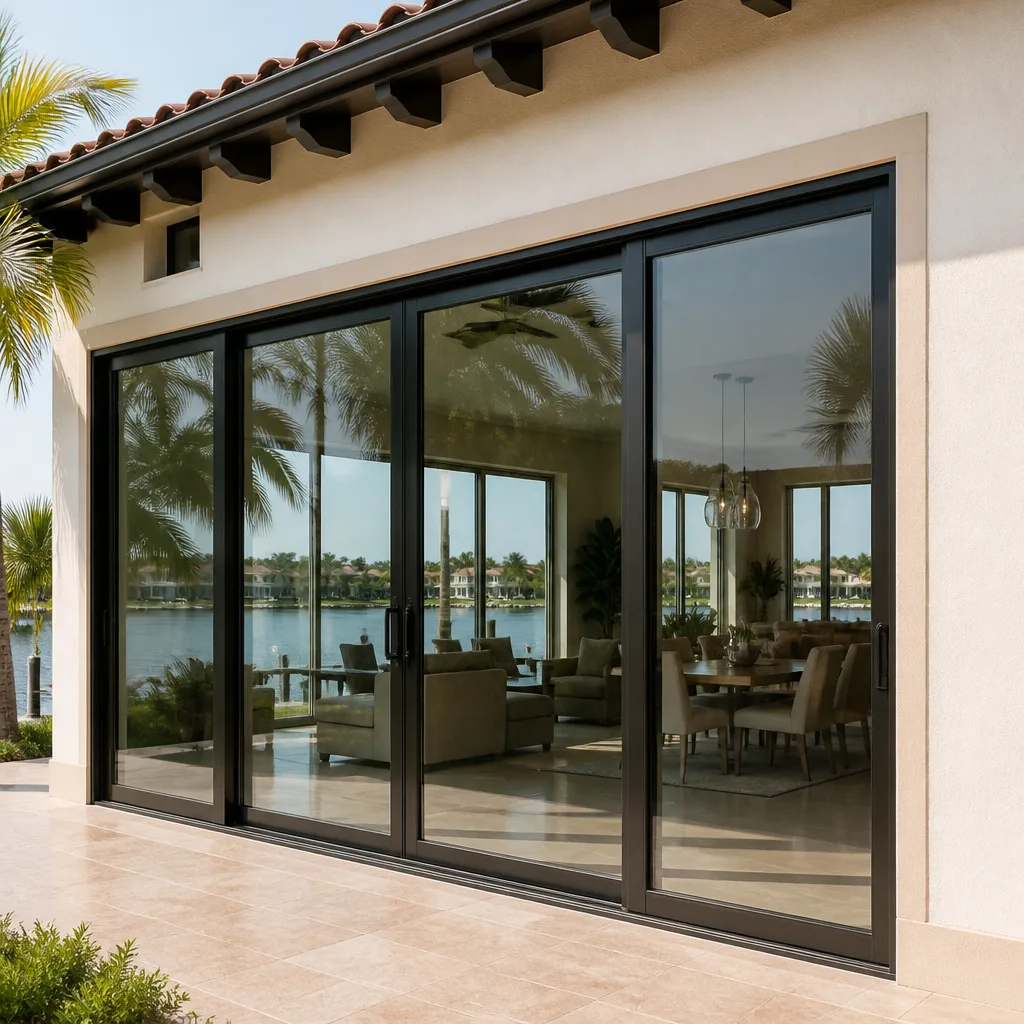
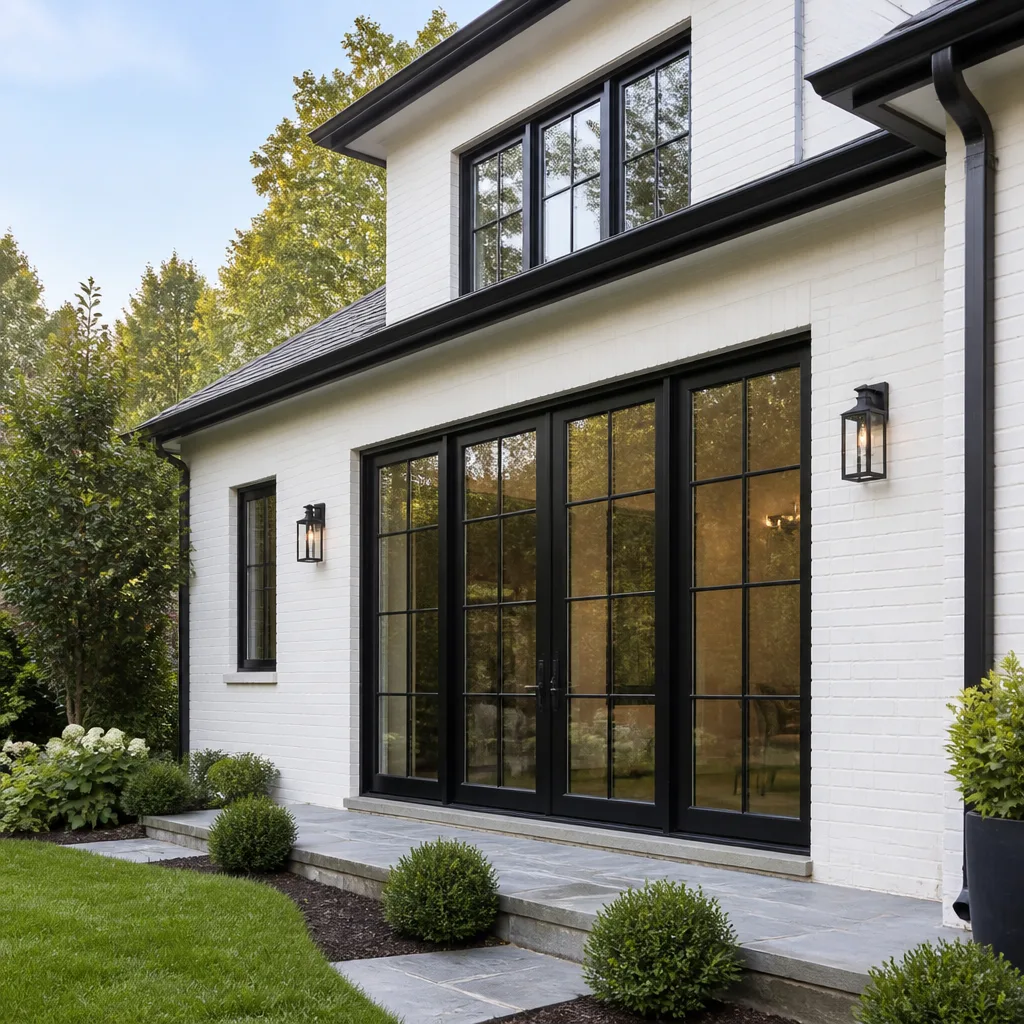
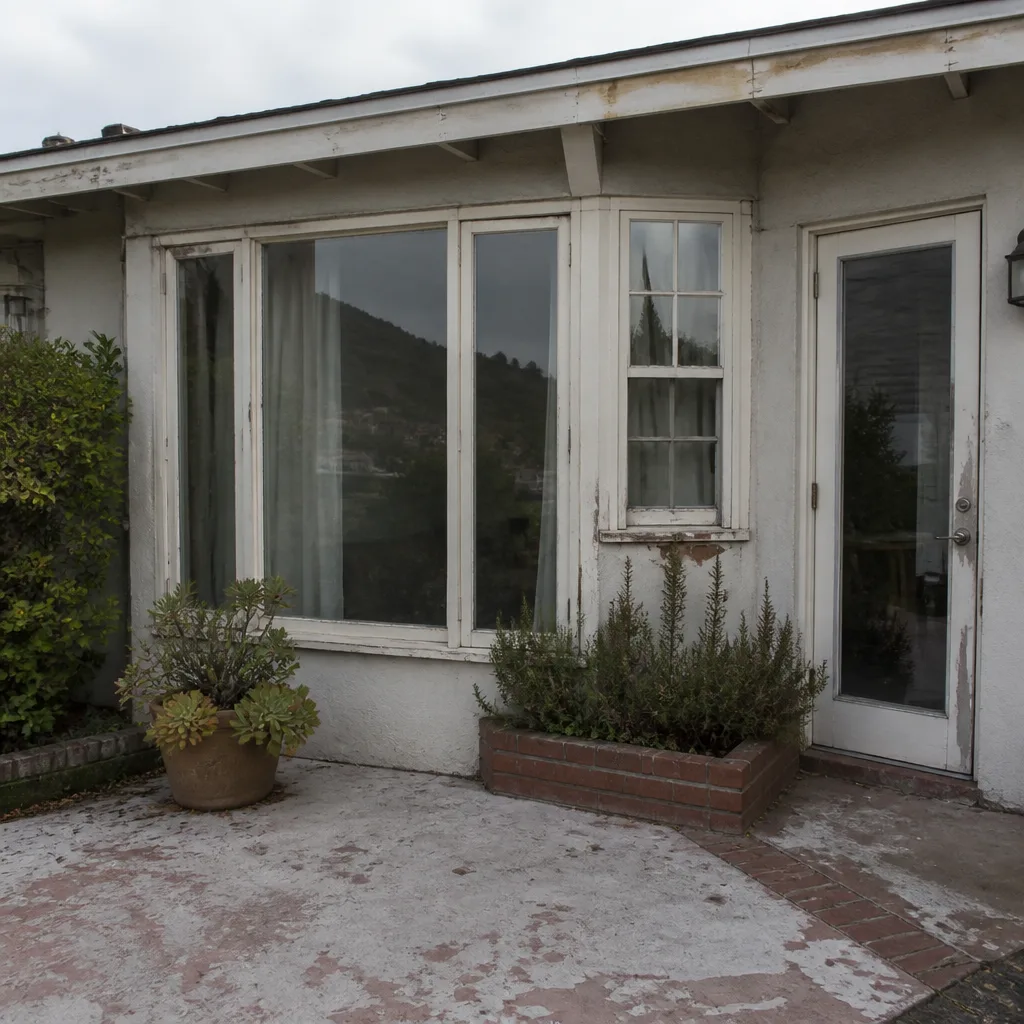 Before
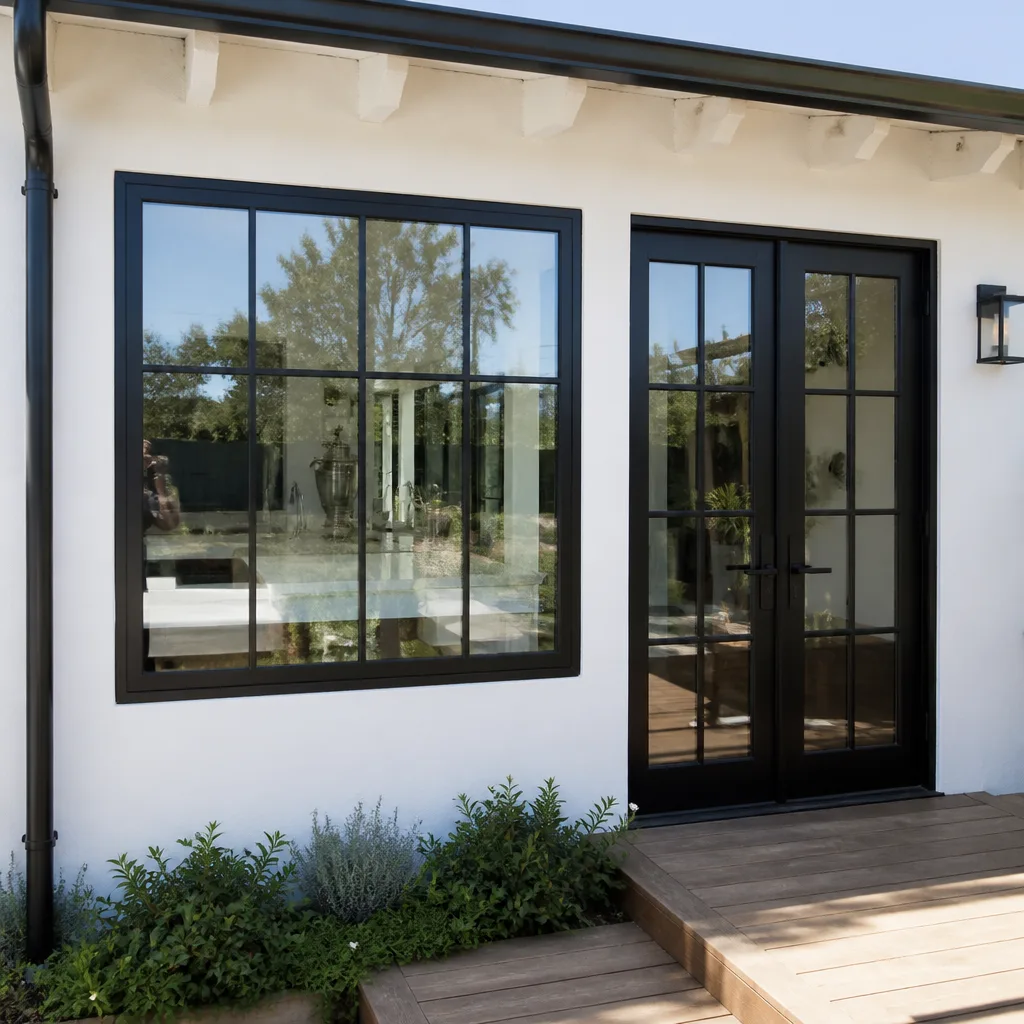 After
After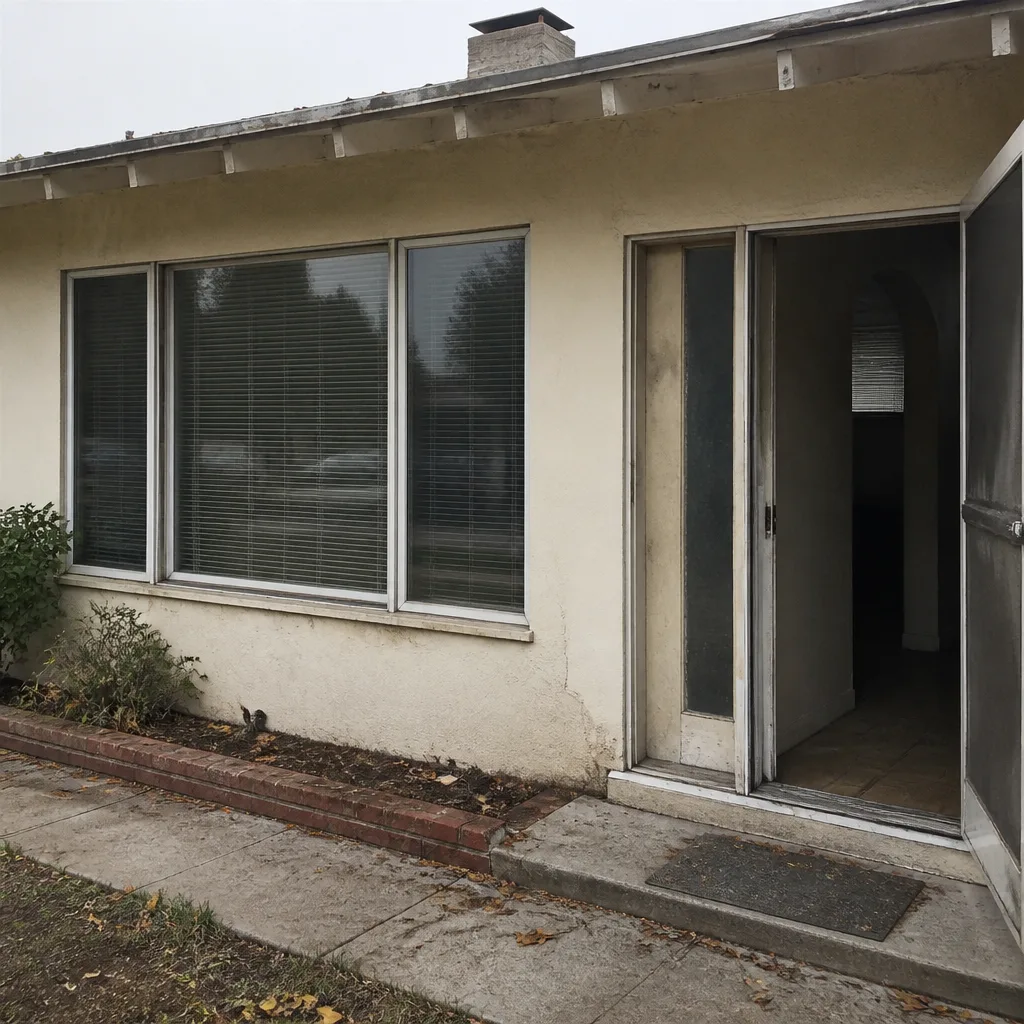 Before
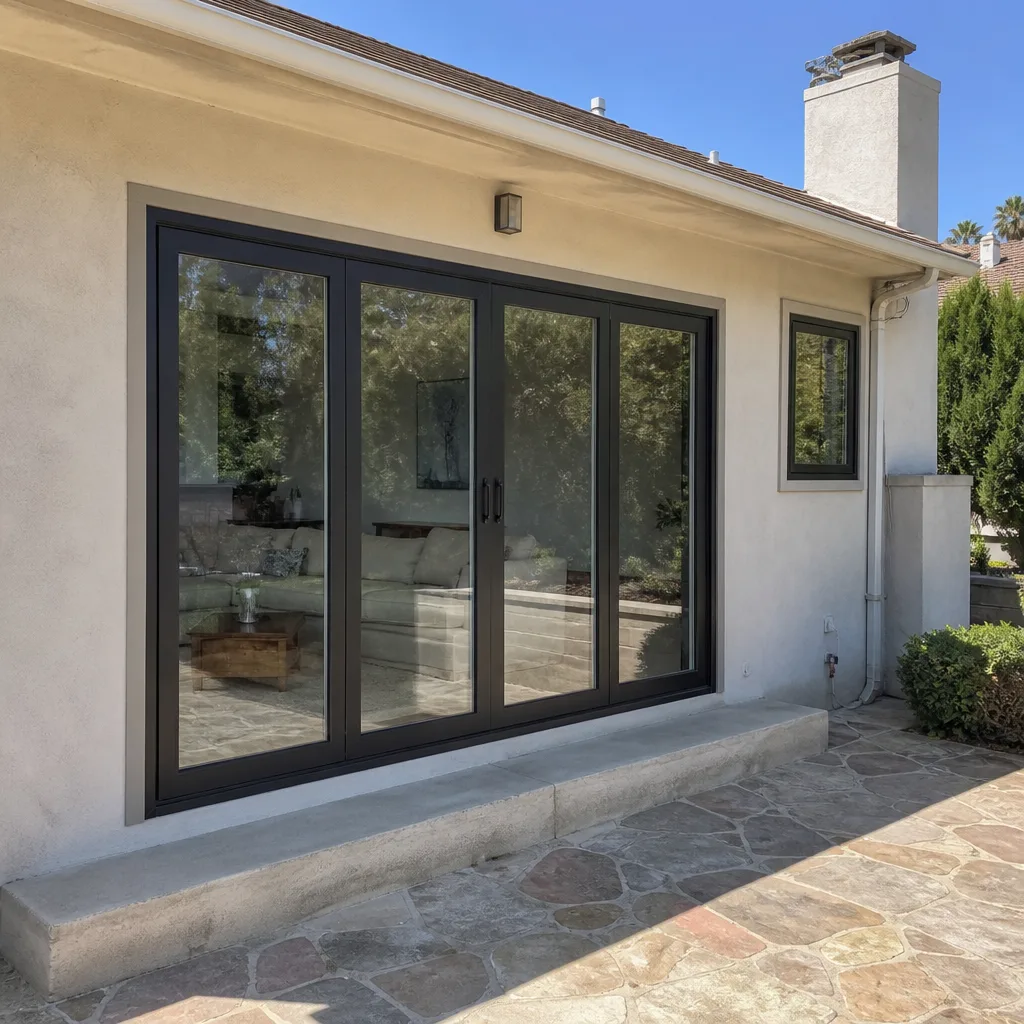 After
After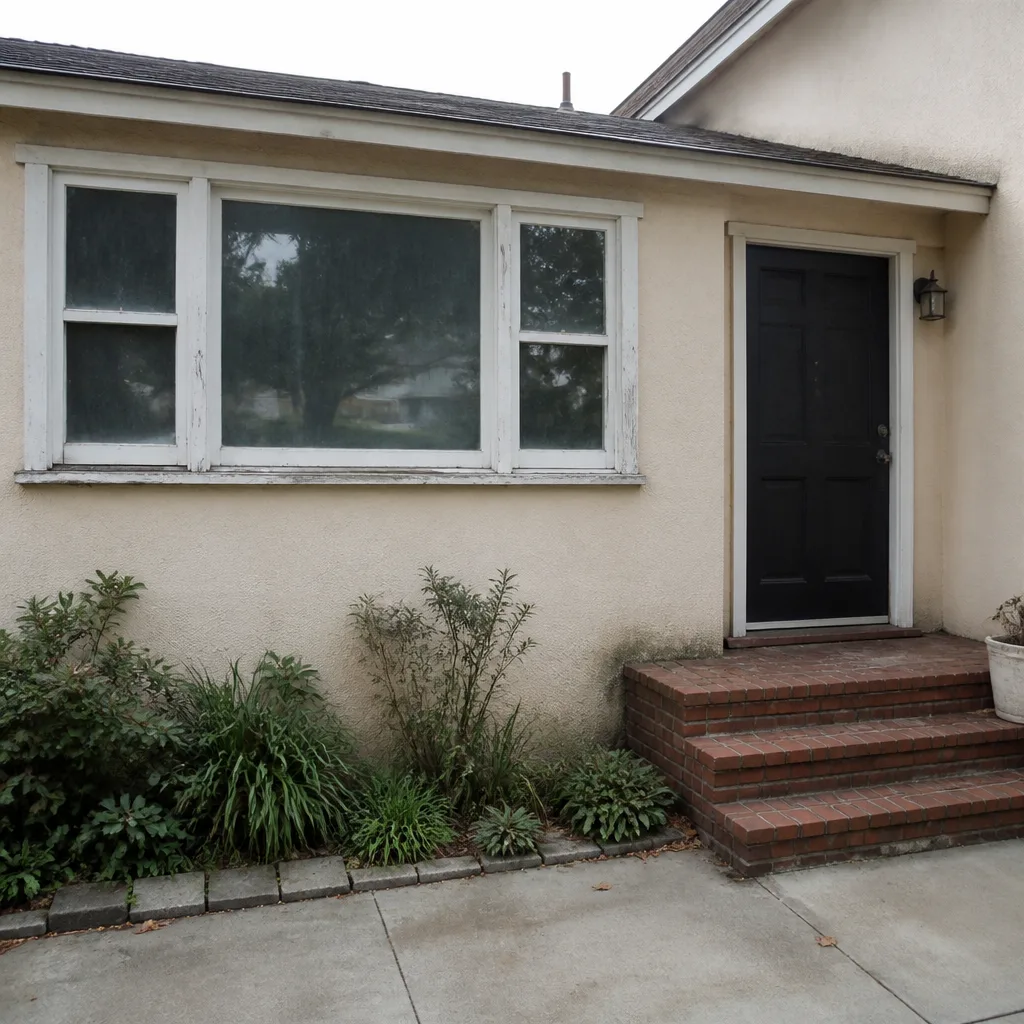 Before
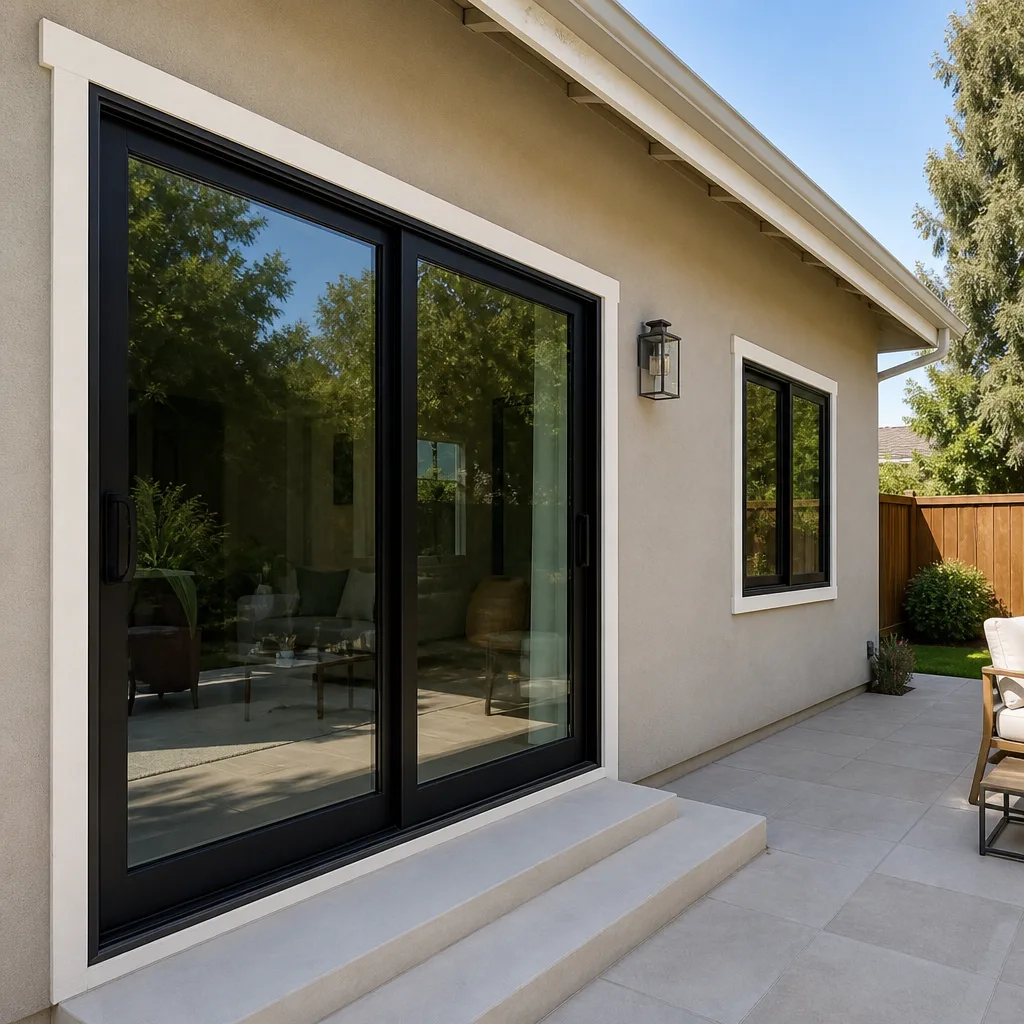 After
AfterDoor Installation Stopped Working
What’s Happening
When a recently installed door stops working, the cause is almost always one of three things: a misaligned frame that shifted during or after installation, hardware that was not torqued to spec, or a door that was not the right size for the opening to begin with. In most cases, a trained technician can identify the root cause on the first visit.
A door that binds, won’t latch, drags across the threshold, or simply won’t open or close smoothly is telling you something specific. It is not just “stiff” – it is giving you a physical description of what went wrong. The gap pattern around the door, the direction of the drag, the sound the latch makes, and the way the hinges sit all point to a cause. The sections below will help you read those signs before anyone arrives, so you’re not describing a feeling to a technician – you’re describing a fact.
Why It Happens
1. Frame Misalignment After Installation
A door frame can shift in the first days or weeks after installation, especially if the rough opening wasn’t plumb before the door went in. The most visible sign is an uneven gap around the perimeter – wider at the top on one side than the other, or a gap at the bottom that disappears when you lift the door slightly by the handle. If the door only binds at one corner and the problem appeared gradually rather than immediately, a shifted frame is the likely cause.
2. Hardware Not Torqued to Specification
Hinges, strike plates, and door closers are all torque-sensitive. A hinge screw that was set by feel rather than by a calibrated driver will back out over time – sometimes within weeks on a door that sees regular use. You’ll notice this as a door that was fine at first and is now sagging slightly at the latch side, or one where the latch no longer lines up cleanly with the strike plate. Look at the hinge leaves: if you can see daylight between the leaf and the jamb, a screw has backed out.
3. Wrong Door for the Opening
A door that was undersized or oversized for the rough opening will show problems immediately or after the first weather cycle. Wood and composite materials move with temperature and humidity; a door that fit adequately on a cool installation day may bind hard by summer. If the problem appeared right away – or worsened sharply after a temperature change – the unit itself may not have been specified correctly for the opening dimensions or the local climate load.
4. Threshold and Weatherstrip Interference
An adjustable threshold set too high, or a weatherstrip that wasn’t trimmed correctly, will cause the door to drag across the bottom and eventually make it impossible to close fully. You’ll hear it as a scraping sound at the base of the door on every open-close cycle. Run your hand along the bottom sweep after opening the door: if the sweep shows uneven wear or is folded back on itself, something is catching that shouldn’t be.
What to Do Right Now
- Stop forcing it. If the door is binding hard and requires significant force to open or close, stop. Forcing a misaligned door stresses the frame, the hinges, and the slab itself – and turns a fixable alignment problem into a damaged frame problem.
- Photograph the gaps. Take photos of all four sides of the door from directly in front, and note which corner or edge is binding. A photo of the gap pattern tells a technician more than a verbal description.
- Check the hinge leaves. Open the door to 90 degrees and look at each hinge. If any leaf isn’t flush against the jamb, make a note of which one. This is a useful diagnostic detail, not a repair you need to attempt yourself.
- Check the latch alignment. Watch where the latch bolt meets the strike plate as you slowly close the door. If the bolt is hitting the face of the plate rather than entering the hole, take a photo – that offset is measurable and tells the technician exactly what adjustment is needed.
- If the door involves a door closer, hydraulic arm, or any spring mechanism: do not attempt to adjust it. Spring-loaded and hydraulic door hardware can release under significant force. Note what you observe – direction of drag, any unusual resistance – and leave the adjustment to a trained technician. Call your local Sightline Windows & Doors team at (509) 265-6387 and describe what you’re seeing.
BeforeAfterHow We Fix It
When your local Sightline Windows & Doors technician arrives, the first thing they do is a full door survey: plumb, level, and square readings on the frame, a visual on every hinge leaf and screw, latch-to-strike alignment measured in millimeters, and a threshold check. That survey is documented with photos before anything is touched – that’s the Evidence standard under the Haven Standard, on every job.
Most alignment and hardware issues are corrected the same visit: hinge adjustment, strike plate relocation, or threshold reset. If the survey reveals that the door unit itself was not specified correctly for the opening, the conversation shifts to a Door Installation or Door Replacement scope, quoted in writing before any new work is authorized. You will have a flat written price – the same number whether you approve it now or think about it overnight. The 365-Day Done Right Promise, written under the Haven Standard, covers the work. If it’s not done right, we make it right.
Frequently Asked Questions

It depends on what’s happening. A door that won’t latch or lock is a security issue and should not wait – a door that can’t be secured overnight is an open vulnerability. A door that binds but still closes fully is less urgent but will get worse with every weather cycle; catching it early keeps a small alignment fix from becoming a frame replacement. If you’re unsure, call (509) 265-6387 and describe what you’re seeing – a live person will pick up and help you gauge the priority.
Your local Sightline Windows & Doors team will work to get out as quickly as possible – call (509) 265-6387 and let us know what’s happening and whether it’s a security concern. We don’t make blanket same-day promises, but we do answer the phone live and we do give you a real visit window, not a callback queue. The sooner you call, the sooner we can give you a specific time.
No. The written quote you receive before any work starts is the price – that’s Clause 1 of the Haven Standard, and it has applied to every job since 2012. The only way the scope changes is if you ask for something additional, in writing, before it’s done. No one opens a wall and then tells you what it cost.
Every job completed by your local Sightline Windows & Doors team is covered by the 365-Day Done Right Promise: if it’s not done right, we make it right. That promise is written into the Haven Standard and documented on your job record – not a verbal assurance you have to remember later. If the door was installed by a different contractor and you’re getting a second opinion, bring the written estimate to us and we’ll review it at no charge.
Get It Fixed
Call (509) 265-6387 now – a live person answers every call – or book online. Your local Sightline Windows & Doors team will survey the door, document what they find, and hand you a written price before any work starts. The 365-Day Done Right Promise covers the rest.
Written by Sonia Raman, Owner at Sightline Windows & Doors, serving communities nationwide since 2012.
What Our Customers Say
"They photographed the rotten sill they found under the old frame before replacing it, and the extra cost was agreed in writing before they carried on."
- Rosalind C."Front door install went smoothly. Written warranty, clear price, no pressure to upgrade anything."
- Nils H."Patio door had dropped and would not lock. They adjusted it rather than selling me a new one, and charged accordingly."
- Simone T.