

Free in-home measure and quote - PGT, CGI and CWS impact lines compared on your actual openings, style by style
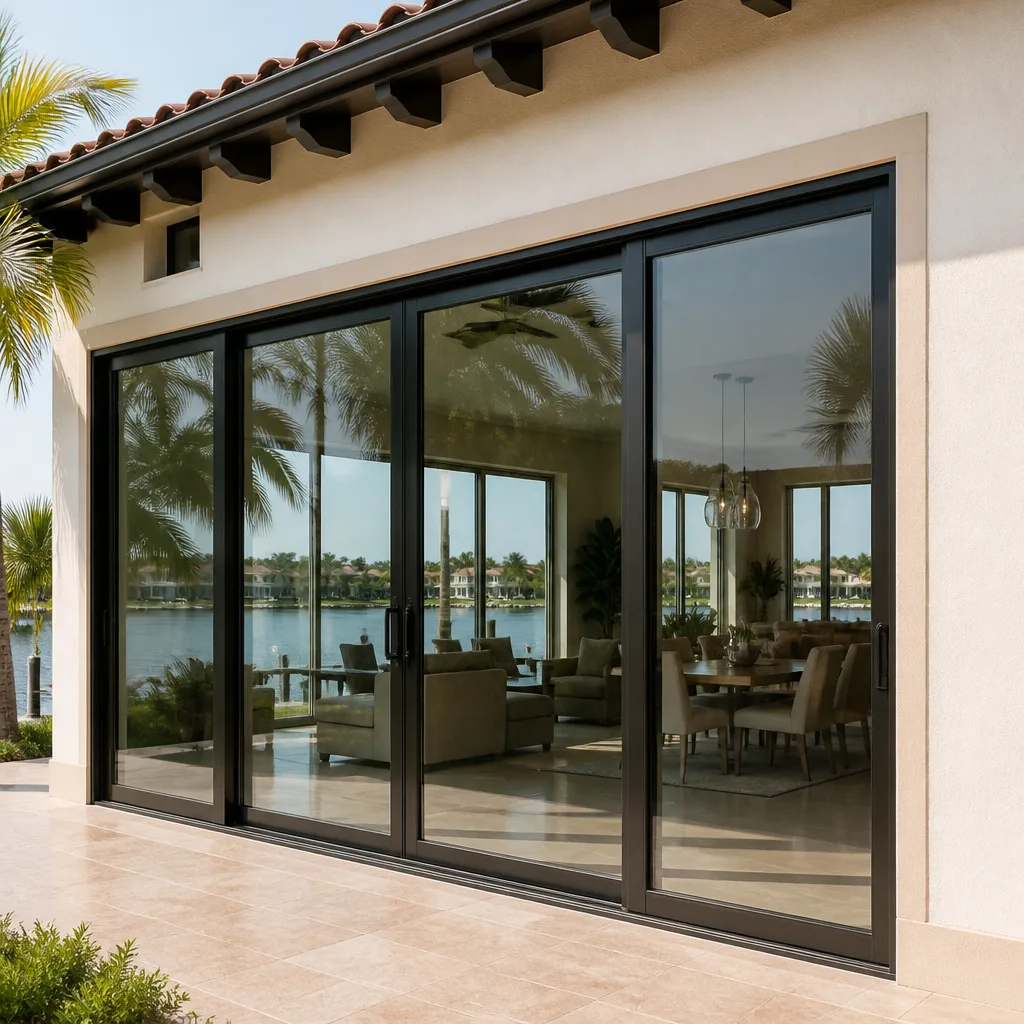
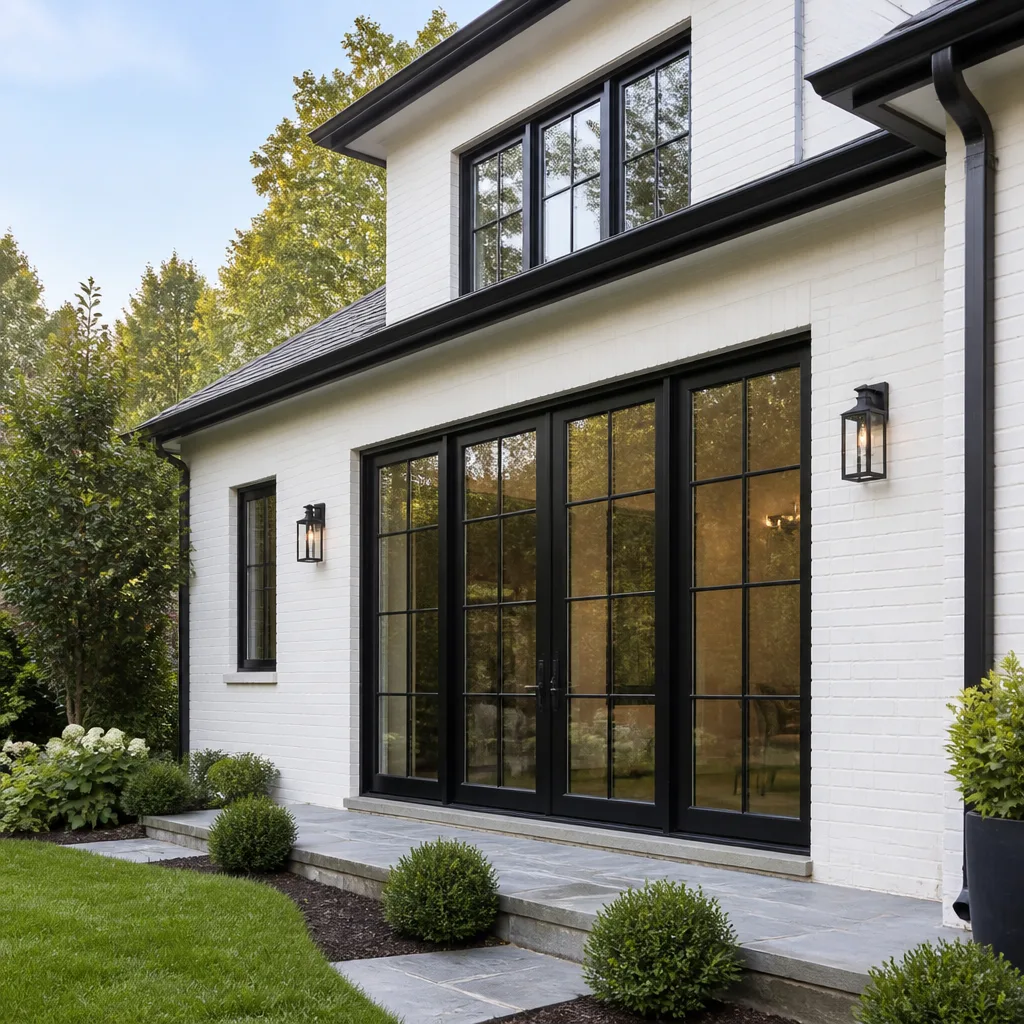
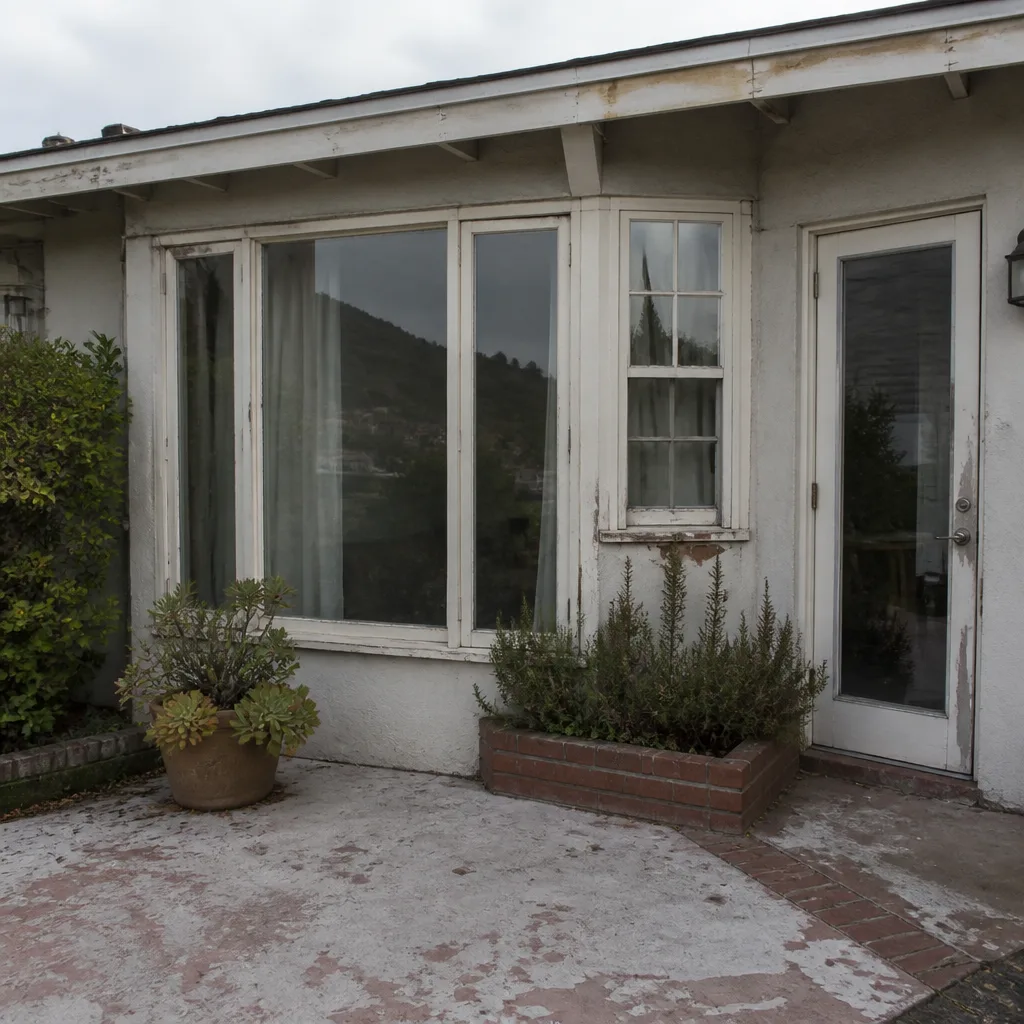 Before
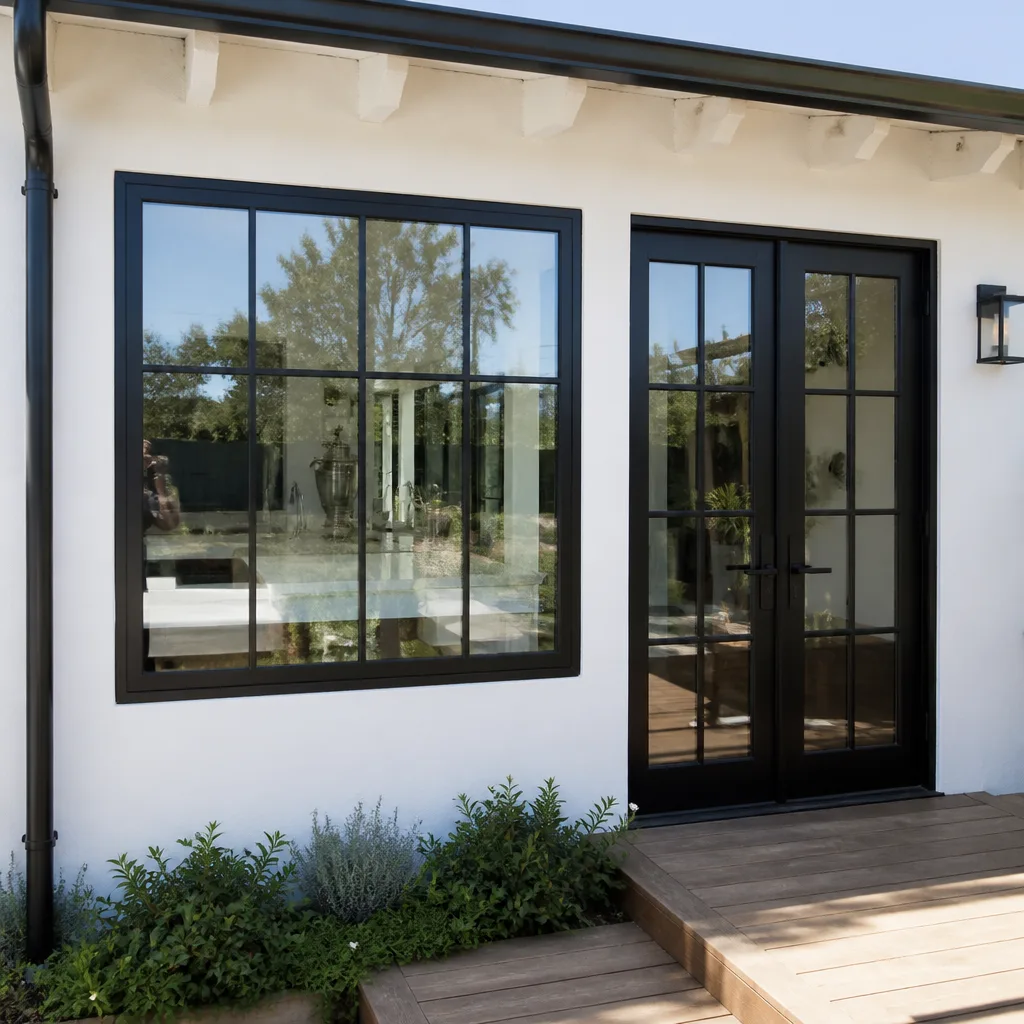 After
After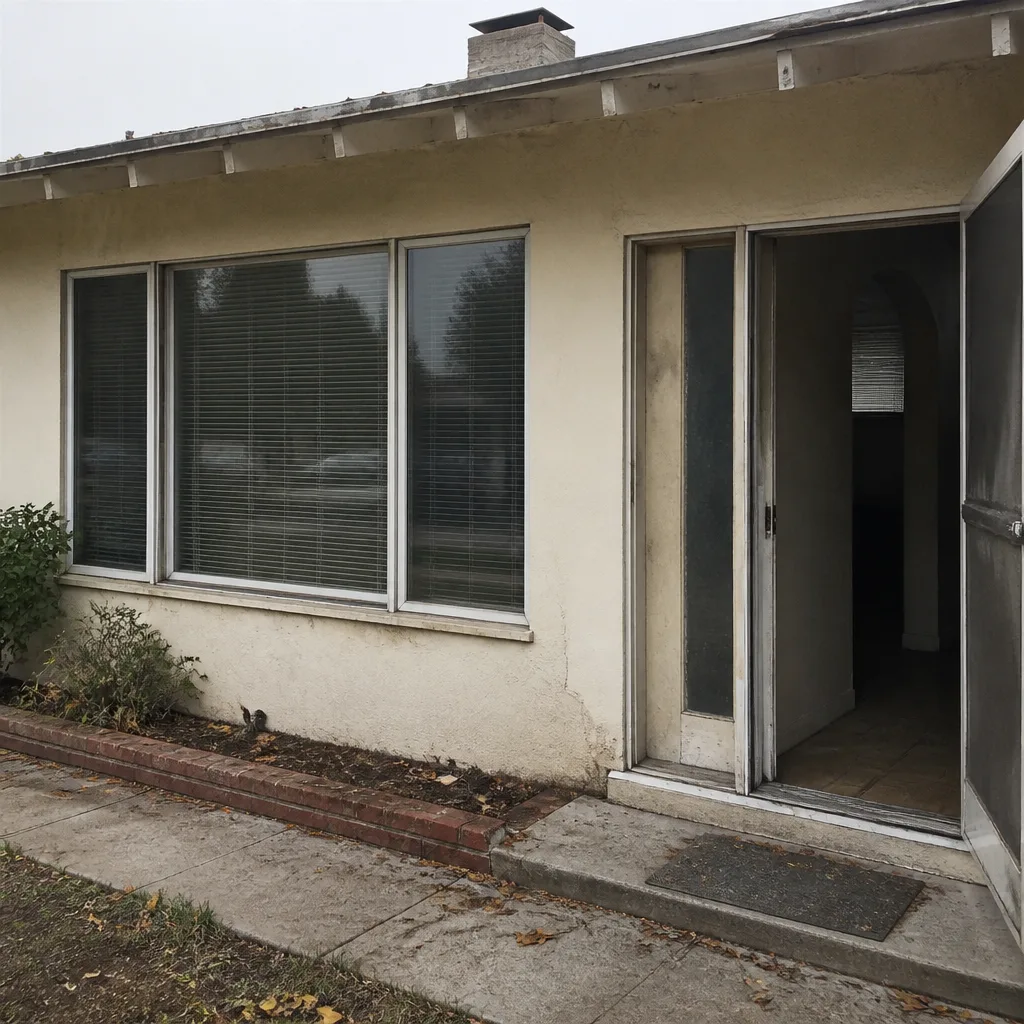 Before
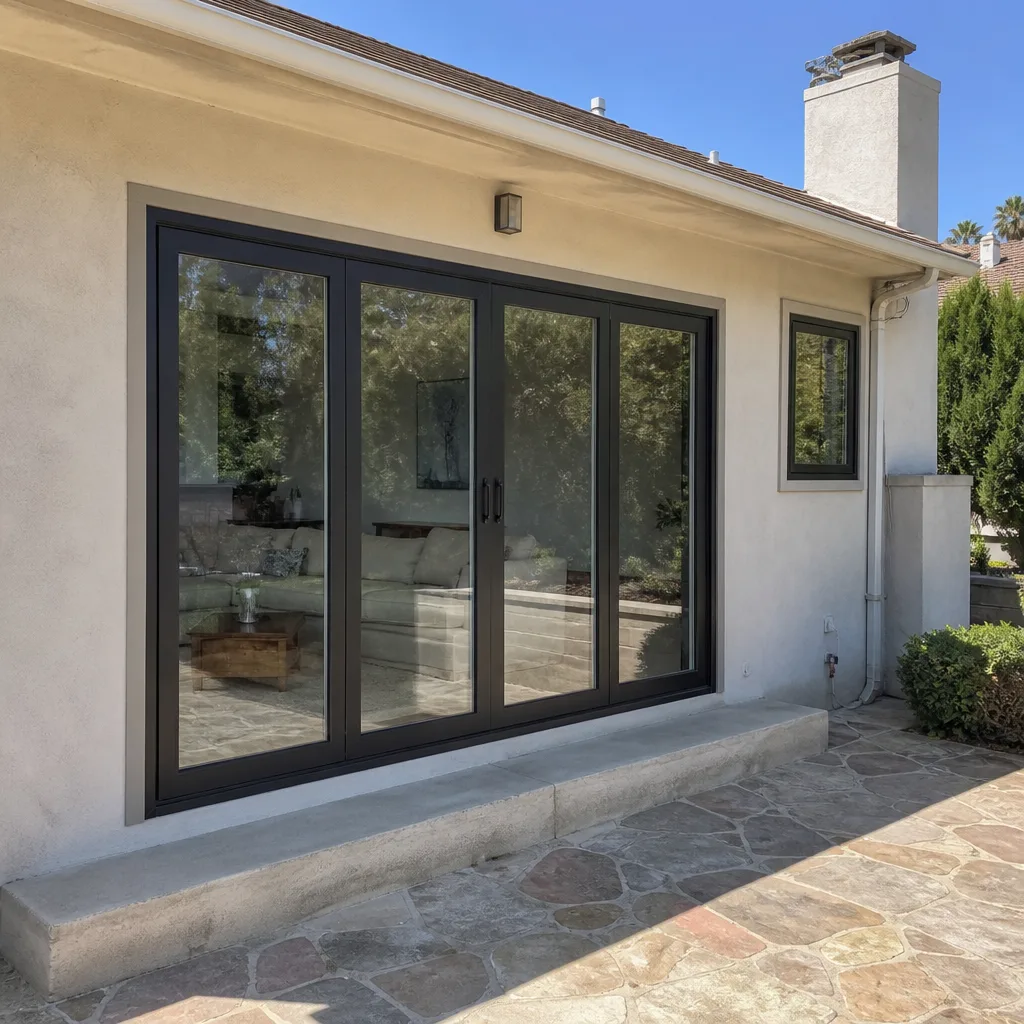 After
After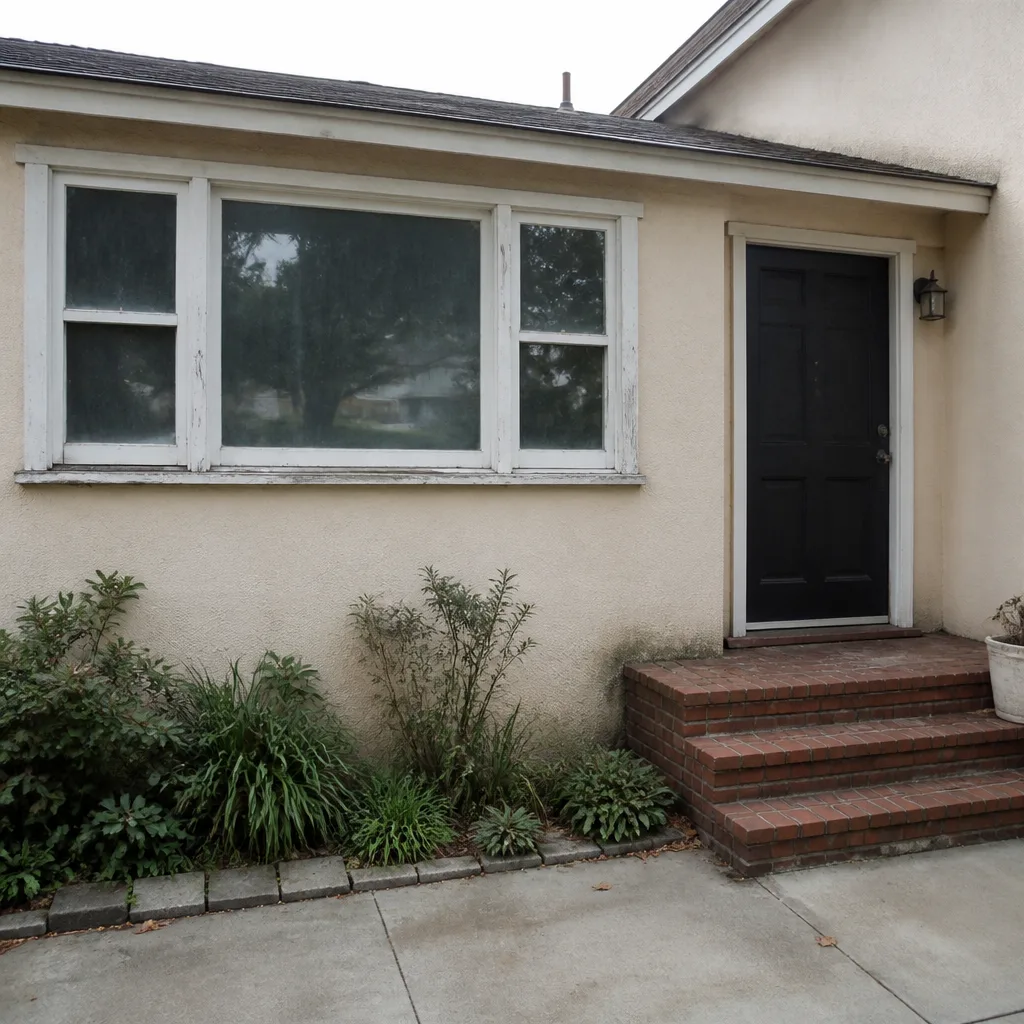 Before
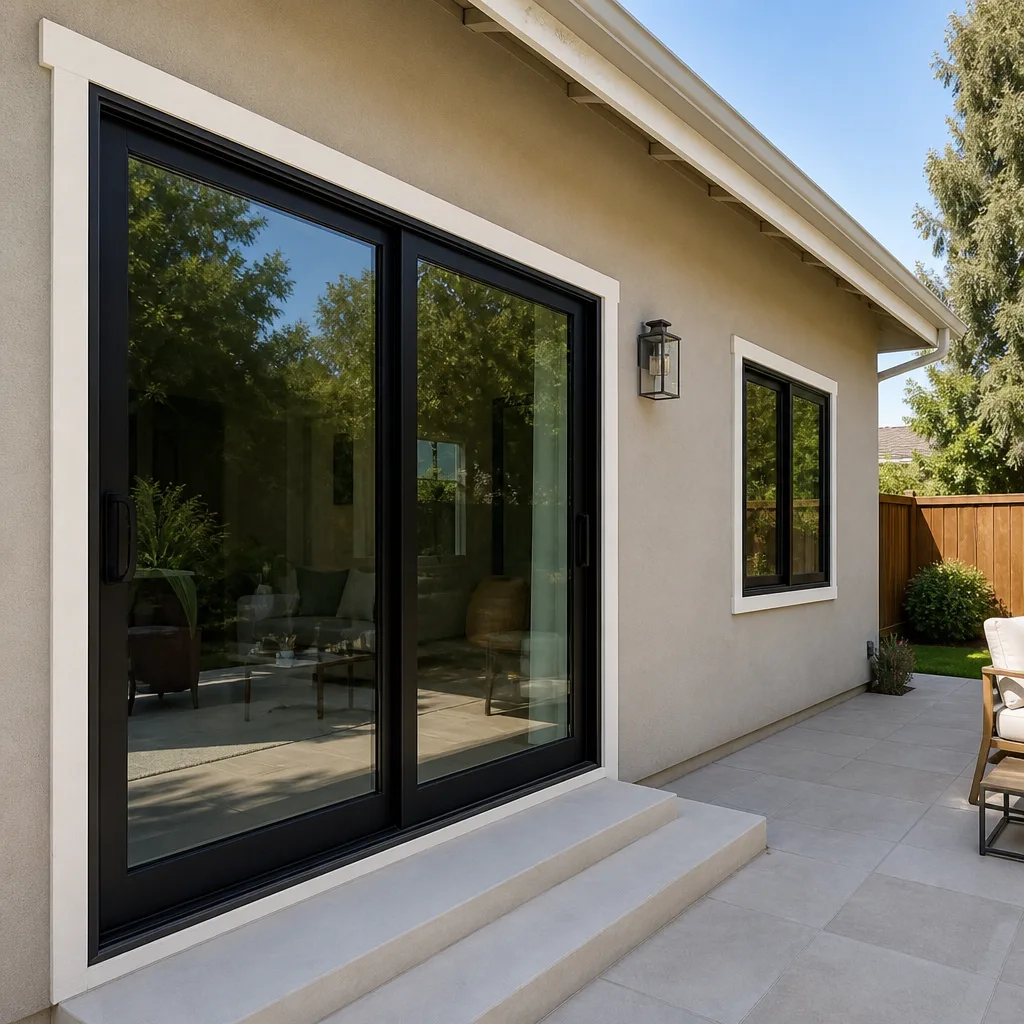 After
AfterWhen to Repair vs Replace Windows
Most windows that feel drafty, look foggy, or stick when you open them can be repaired – but a failed seal, rotted frame, or single-pane unit that’s twenty years old almost always costs more to patch than to replace. The deciding line is whether the glass unit itself has failed, whether the frame is structurally sound, and whether the window meets current energy standards for your climate. Get that answered in writing before anyone picks up a tool.
What makes this decision hard is that the symptoms overlap. A draft can mean a bad weatherstrip or a cracked frame. Condensation between panes always means a failed seal – that one’s not repairable. A window that won’t close properly could be a hardware issue fixed in an hour, or a frame that’s racked and needs full replacement. A technician who measures the opening and documents what they find will tell you which is which. One who shows up and quotes replacement before looking is telling you something about how they work.
Why It Happens
Failed Insulated Glass Unit (IGU) Seal
Every double- or triple-pane window holds its insulating gas inside a sealed unit. When that seal breaks – usually from years of thermal cycling, meaning the glass expanding and contracting with temperature changes – moisture gets in and the gas escapes. The visible sign is permanent cloudiness or condensation between the panes that doesn’t wipe off from either side. This is not a cleaning problem. The unit has to be replaced, and whether the frame is worth keeping determines whether that’s a partial job or a full one.
Weatherstrip and Hardware Wear
Weatherstrip is the foam or rubber gasket that seals the gap between the sash and the frame. It compresses over time, cracks, or pulls away from the channel. You’ll feel a draft even when the window is closed, or notice a thin line of daylight around the edge when you stand back and look. Hardware – the locking mechanism, the balance springs in double-hungs, the rollers in sliders – wears separately and can cause a window to stick, drop, or refuse to latch. Both are typically repairable without replacing the frame or glass.
Frame Rot or Structural Damage
Wood frames absorb moisture at the corners and along the sill, especially on windows that face prevailing rain or that were painted and repainted without proper sealing underneath. Press a screwdriver gently into the exterior corner of a wood frame at sill level – if it goes in without resistance, the wood is compromised. Vinyl frames don’t rot but they do warp, crack, and delaminate at welded corners. A frame that has lost its geometry won’t seal correctly no matter what weatherstrip you put in it.
Single-Pane and Outdated Units
Single-pane glass – common in homes built before the mid-1980s and in some builder-grade additions from the 1990s – transfers heat almost unimpeded in either direction. If you can feel temperature radiating off the glass from a foot away in summer or winter, and the window has no visible spacer bar between two panes, it’s almost certainly single-pane. Repair is not the right conversation here. These units predate modern energy codes, and patching hardware on a thermally broken window just prolongs a structural inefficiency. Replacement is the honest answer.
What to Do Right Now
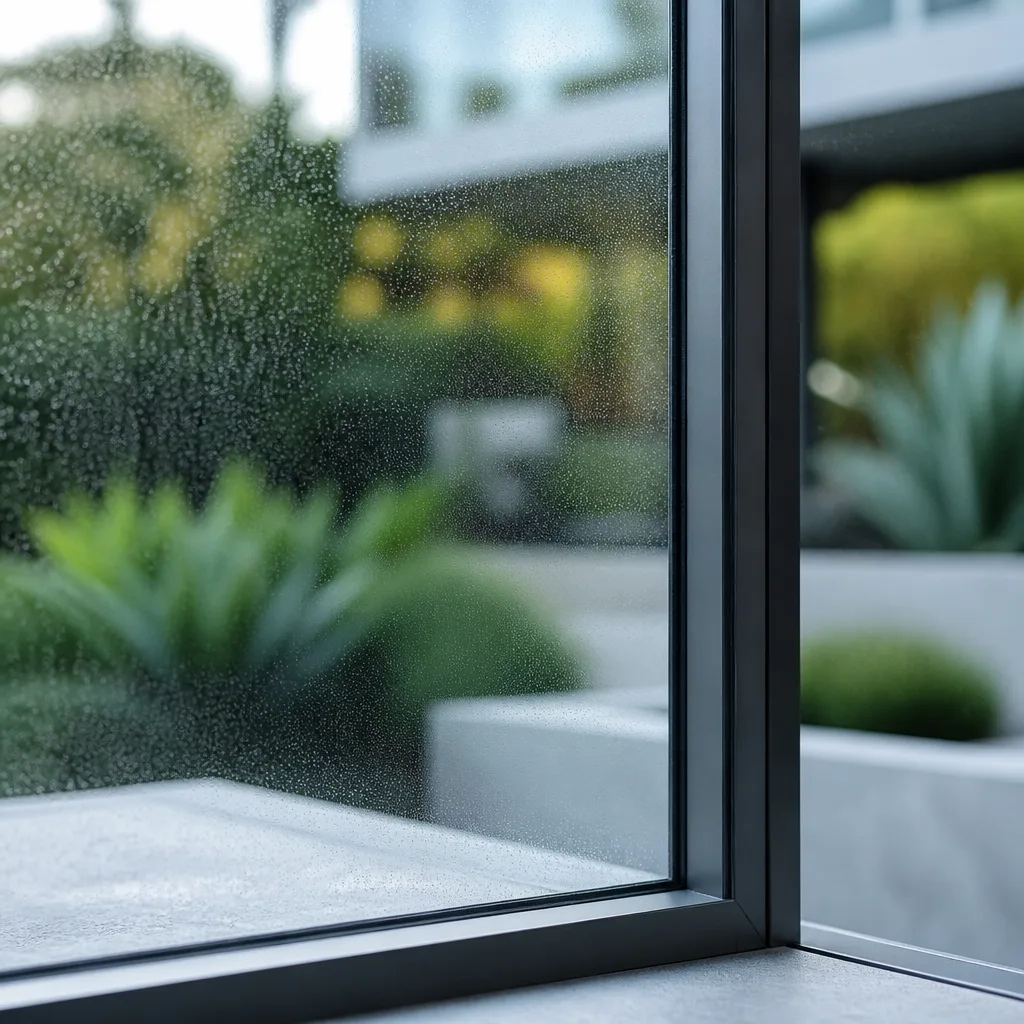
- Don’t force a stuck window. If a sash is binding in the frame, forcing it risks cracking the glass or warping the frame further. Leave it as-is and note the position when a technician arrives.
- Check the condensation location. Condensation on the inside surface of the glass means humidity in the room, not a window failure. Condensation between the panes – visible as cloudiness you can’t reach – confirms a failed seal. Photograph it so the tech can see exactly what you saw when you called.
- Run your hand along the frame edge. With the window closed, feel for drafts at the corners and along the top and bottom rail. A lit incense stick held near the frame will show you airflow you might not feel. Note which corner or edge is the source.
- Photograph the exterior sill and corners. Paint bubbling, dark staining, or soft spots visible on the exterior often signal rot that isn’t visible from inside yet. These photos will save time when the technician does their measured survey.
- Do not attempt to re-seal the IGU yourself. Products marketed as “fog repair” drills or DIY seal restoration rarely work and can void manufacturer warranties on the unit. If the seal has failed, the unit needs to be assessed by someone who can measure the spacer bar and identify the glass spec.
BeforeAfterHow We Fix It
When your local Sightline Windows & Doors team arrives, the first thing they do is a measured survey – not a sales presentation. They measure the rough opening, assess the frame condition, identify the glass unit spec, test the hardware, and document what they find with photos. That survey is yours to keep. The written quote comes from that document directly, under Haven Clause 1: Have it in writing. The number cannot move between the survey and the installation.
For repairable windows – failed hardware, worn weatherstrip, or a glass unit swap in a sound frame – the work is typically straightforward and completed in one visit. For windows that need full replacement, Sightline draws from eight manufacturer lines including PGT, CGI, CWS, ES Windows, ECO Window Systems, Mr-Glass, Therma-Tru, and ViewLux, specifying by what the opening actually requires rather than what’s easiest to stock. Every completed job leaves a documented photo record and is covered by the 365-Day Done Right Promise: if it’s not done right, we make it right. Call (509) 265-6387 to schedule the survey. The estimate is free and written before anything starts.
Frequently Asked Questions

Fog between the panes means the sealed glass unit has failed, and that unit needs to be replaced – there is no repair that restores a broken IGU seal. Whether you replace just the glass unit or the entire window depends on the frame condition, which a measured survey will determine. Call (509) 265-6387 and your local Sightline team will document exactly what they find before quoting anything.
A draft is rarely a safety emergency, but it is costing you money every day and can accelerate frame damage if moisture is getting in alongside the air. If you notice the draft is accompanied by visible mold, paint peeling on interior trim, or a soft spot on the sill, don’t wait – moisture damage compounds quickly and a frame that’s repairable today may need full replacement next season. Call (509) 265-6387 to get a technician out for a documented assessment before the problem gets bigger.
Every job is different, which is why Sightline doesn’t publish flat pricing by symptom – the cost depends on the opening size, the frame condition, the glass spec, and how many units are involved. What we can tell you is that you’ll have a written price before any work starts, based on a measured survey you keep a copy of. Call (509) 265-6387 to schedule your free written estimate.
Your local Sightline Windows & Doors team schedules measured surveys and estimates as quickly as availability allows – calls are answered by a live person around the clock, not a voicemail. The right first step is a survey, not a same-day install, because the written price comes from the measurements. Call (509) 265-6387 and whoever answers will tell you exactly when your local team can be there.
Get It Fixed
Call (509) 265-6387 to schedule a free written estimate with your local Sightline Windows & Doors team. A background-checked, uniformed technician will measure, document, and quote in writing – before anything starts. No surprises. That’s the Haven Standard, and it’s been the standard since 2012.
Written by Sonia Raman, Owner at Sightline Windows & Doors, serving communities nationwide since 2012.
What Our Customers Say
"They photographed the rotten sill they found under the old frame before replacing it, and the extra cost was agreed in writing before they carried on."
- Rosalind C."Front door install went smoothly. Written warranty, clear price, no pressure to upgrade anything."
- Nils H."Patio door had dropped and would not lock. They adjusted it rather than selling me a new one, and charged accordingly."
- Simone T.