

Free in-home measure and quote - PGT, CGI and CWS impact lines compared on your actual openings, style by style
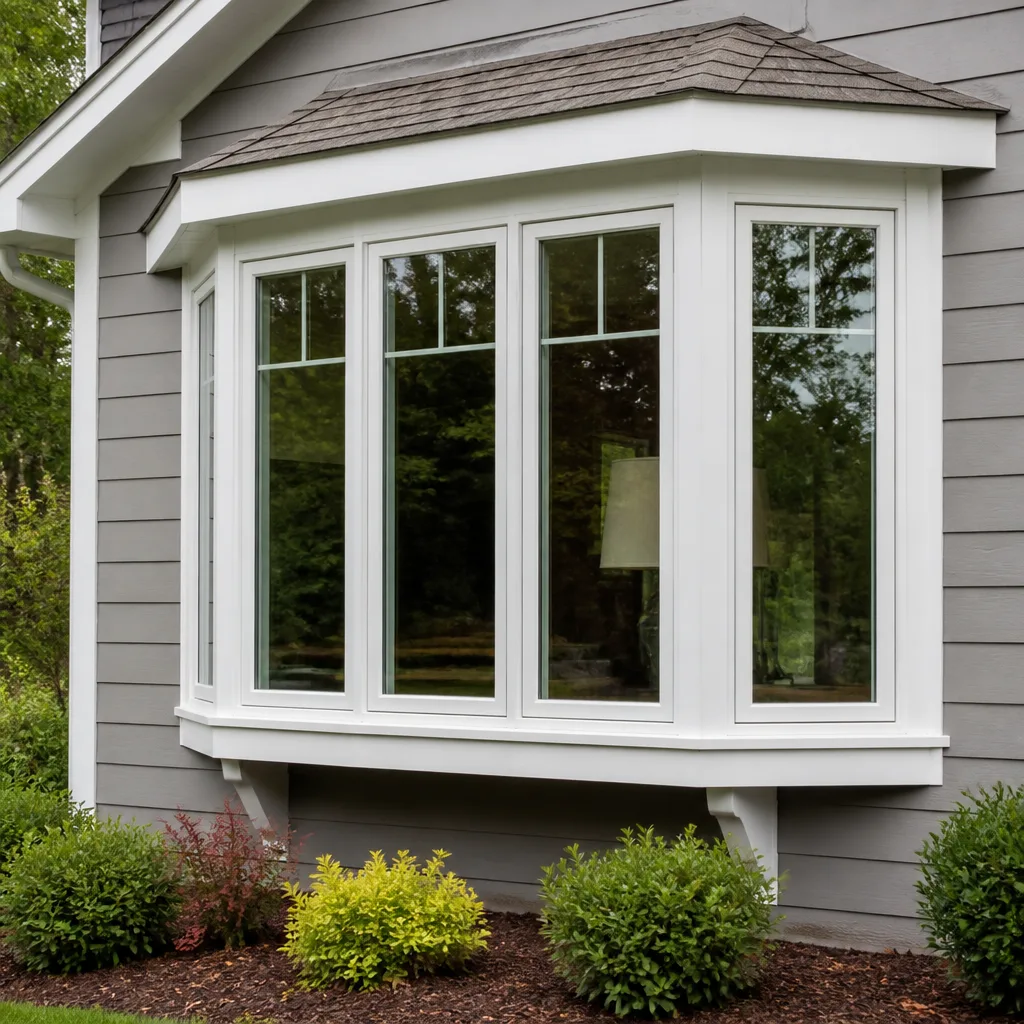
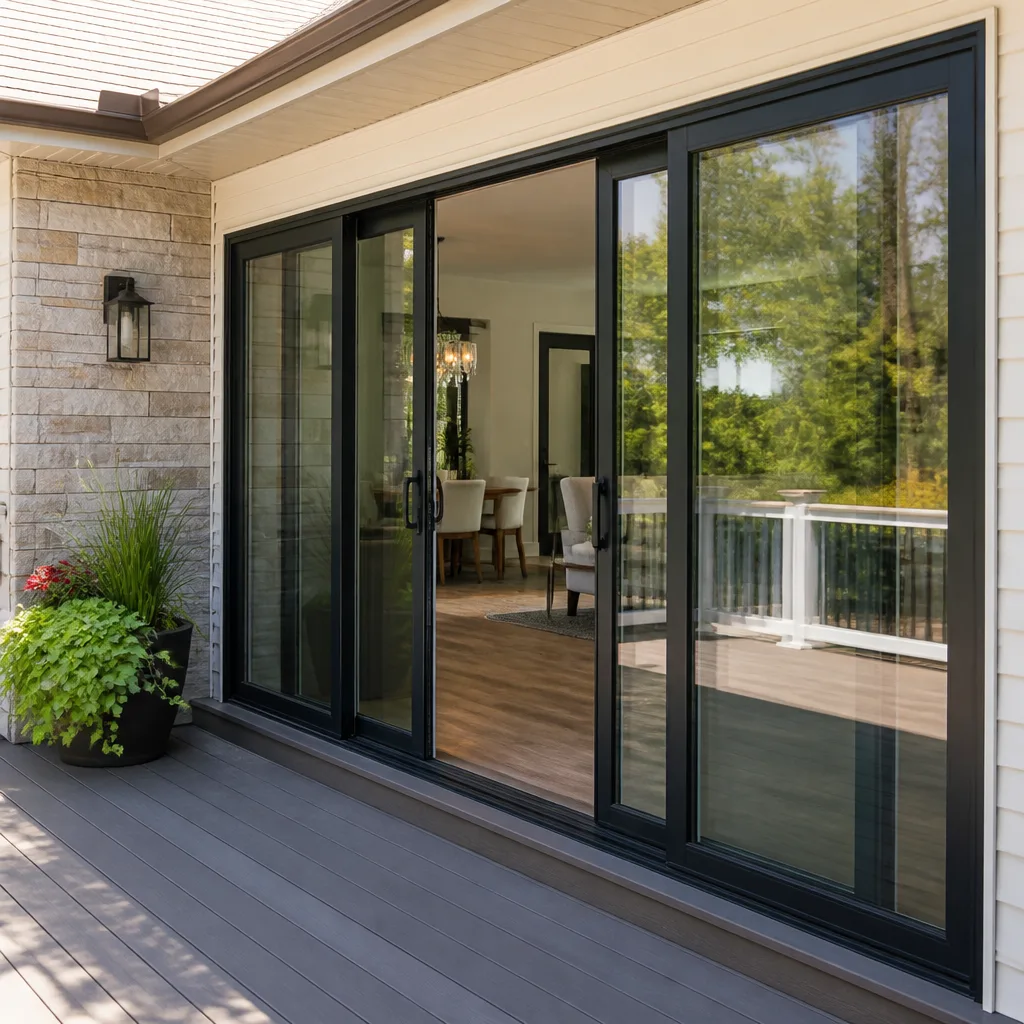
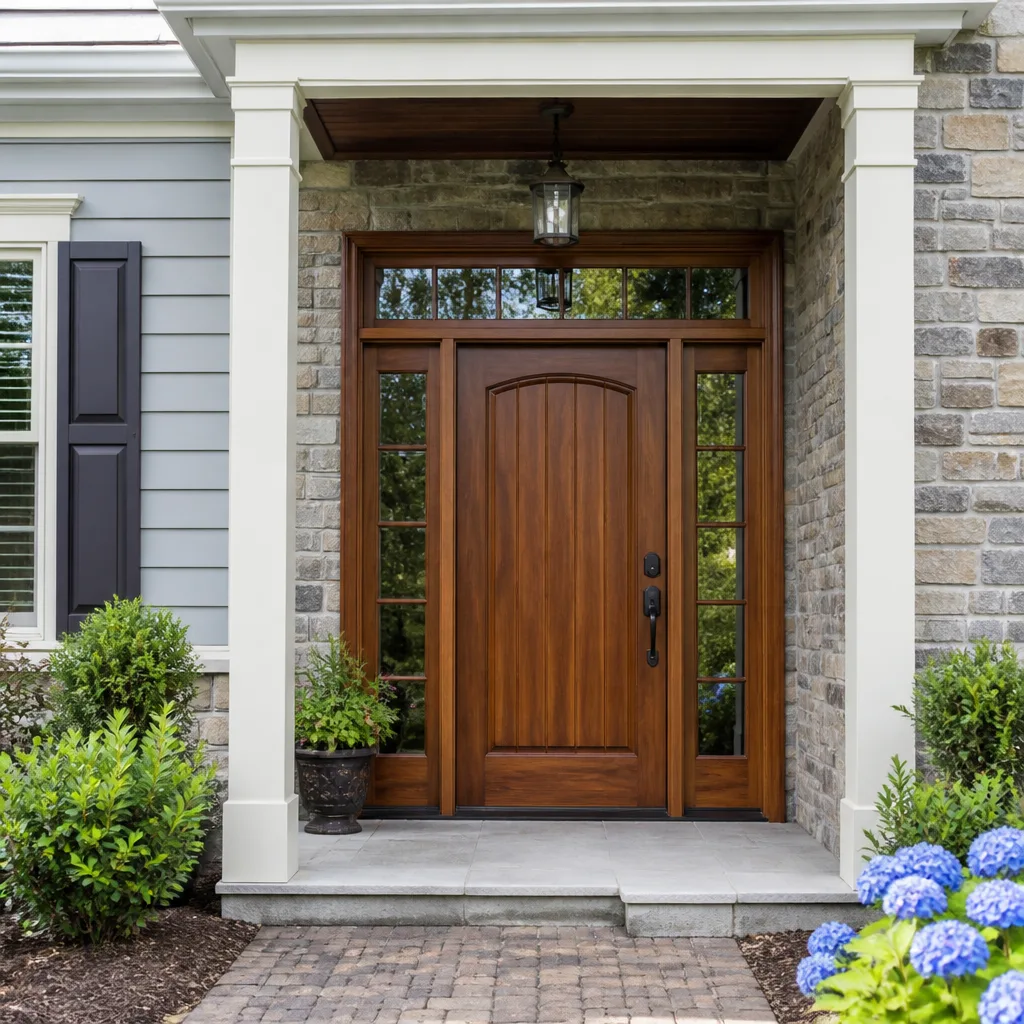
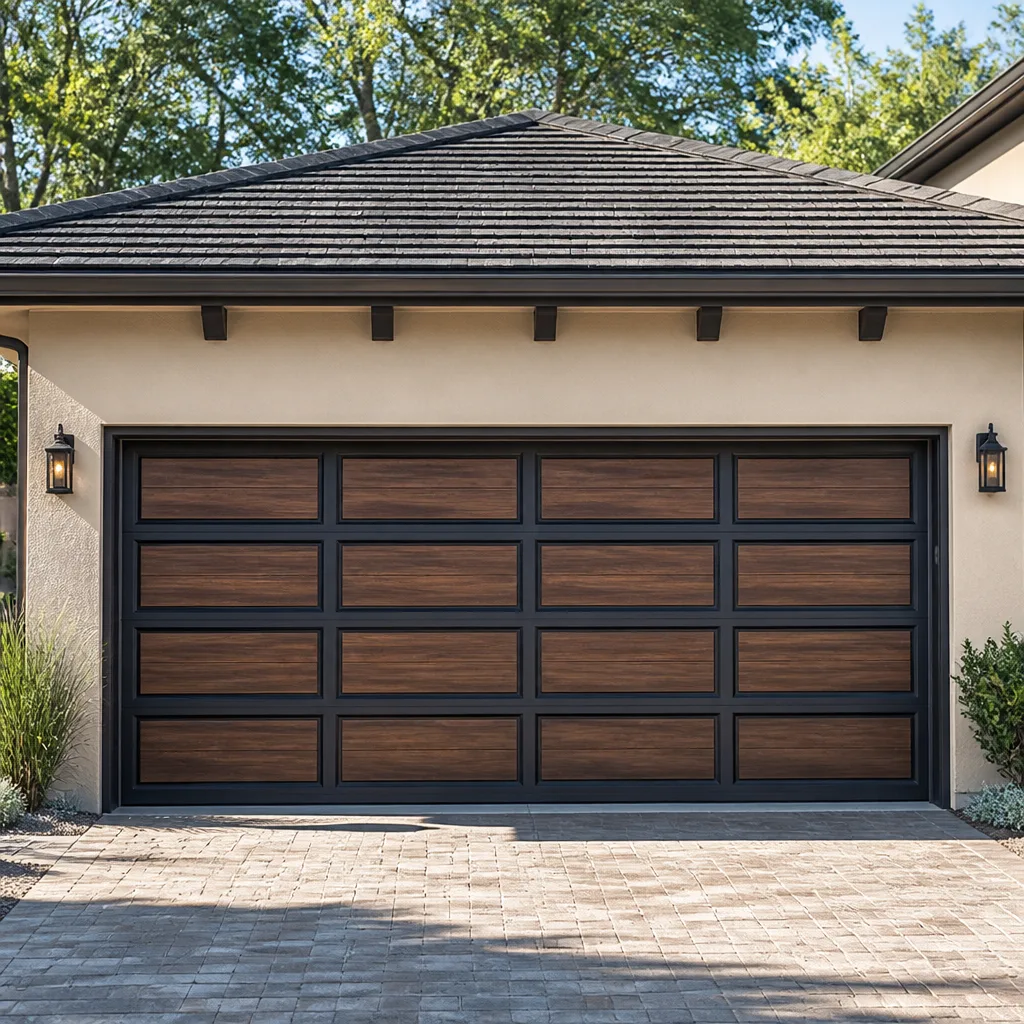
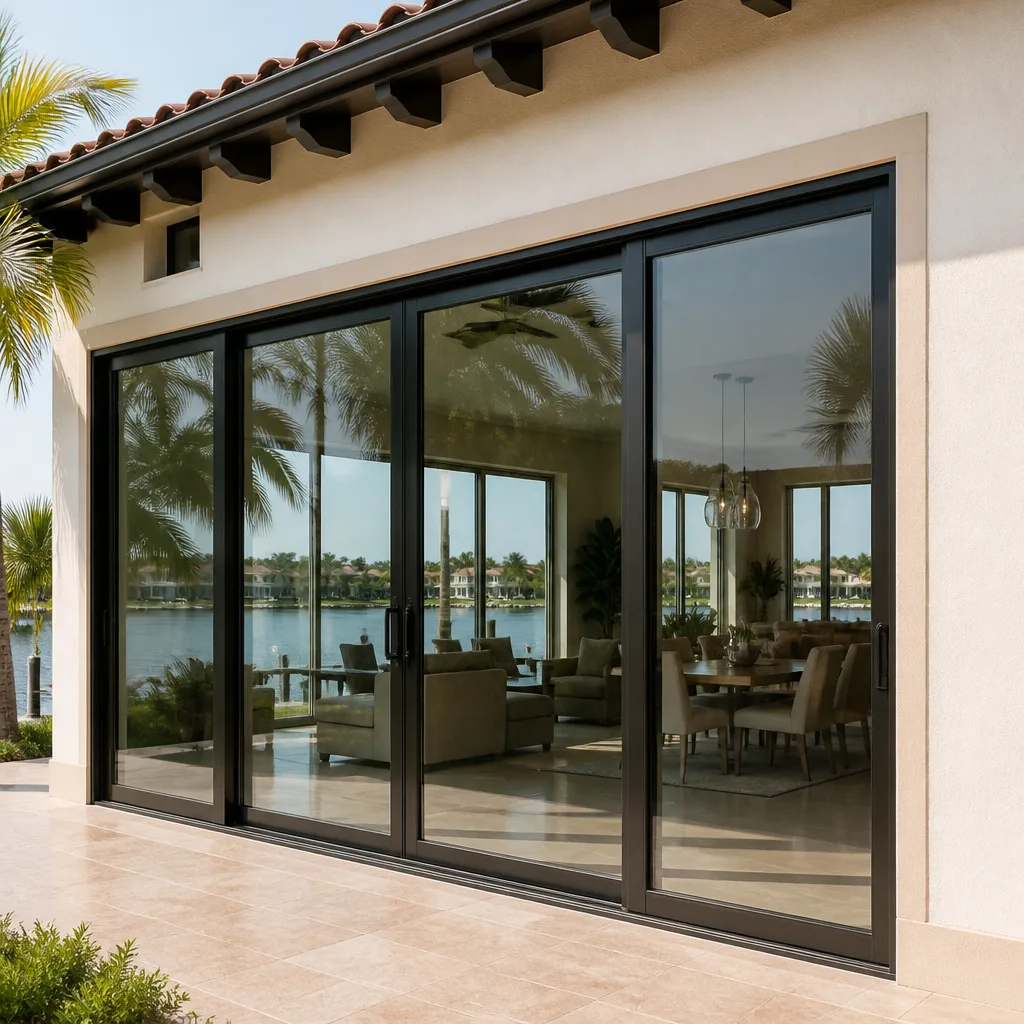
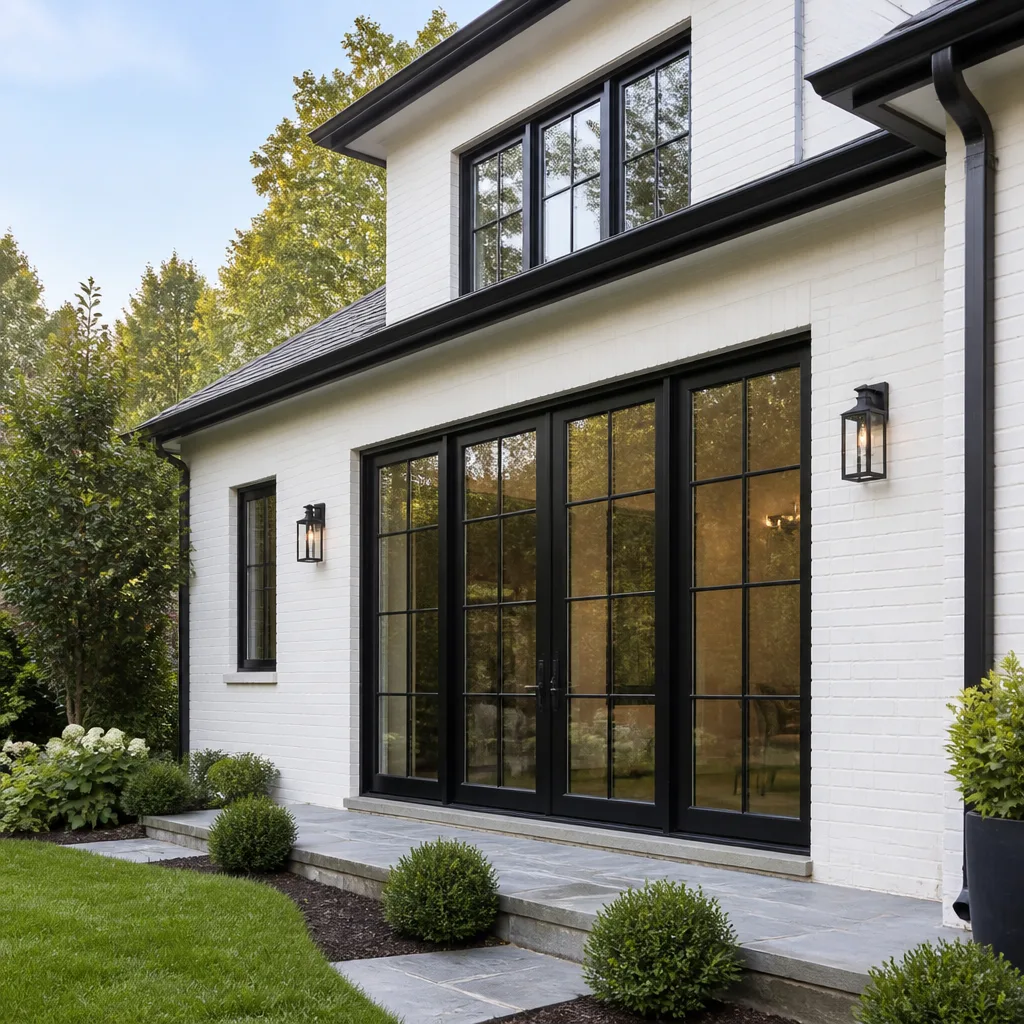
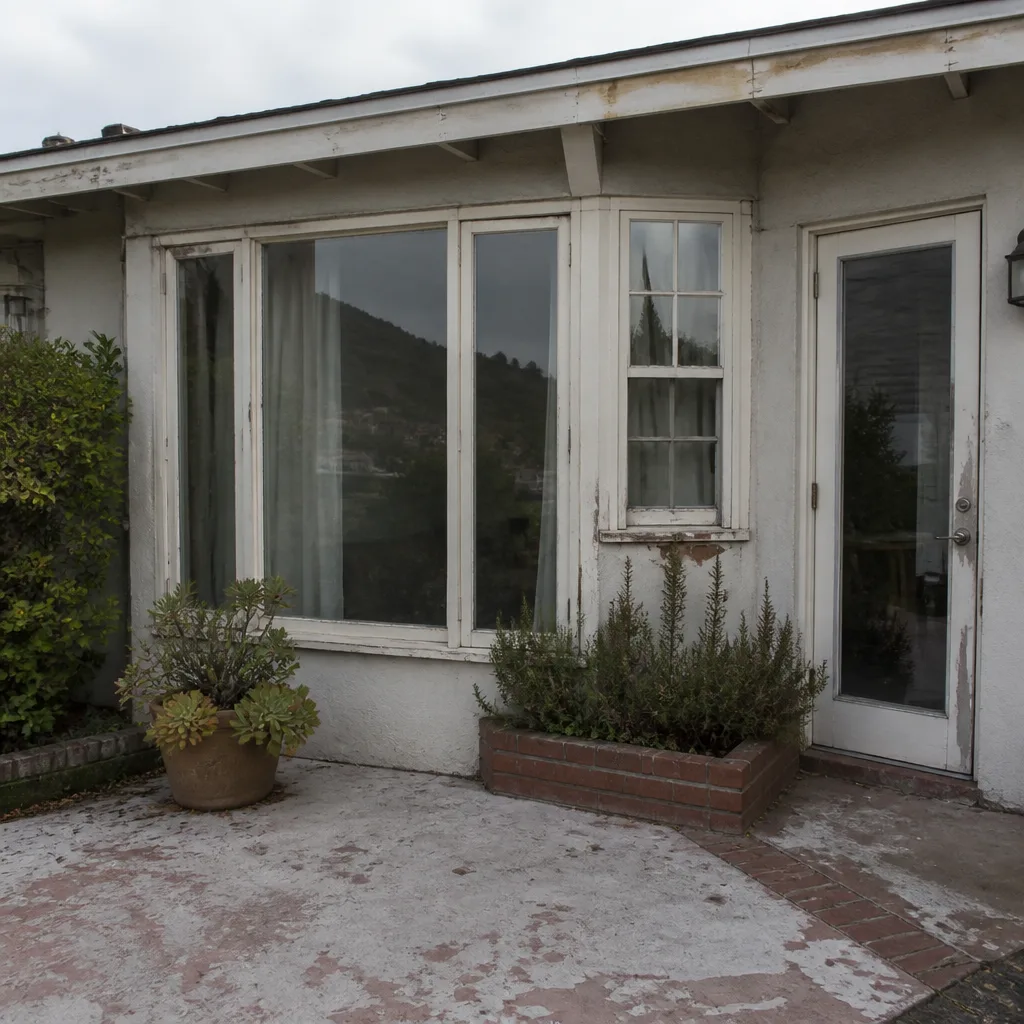 Before
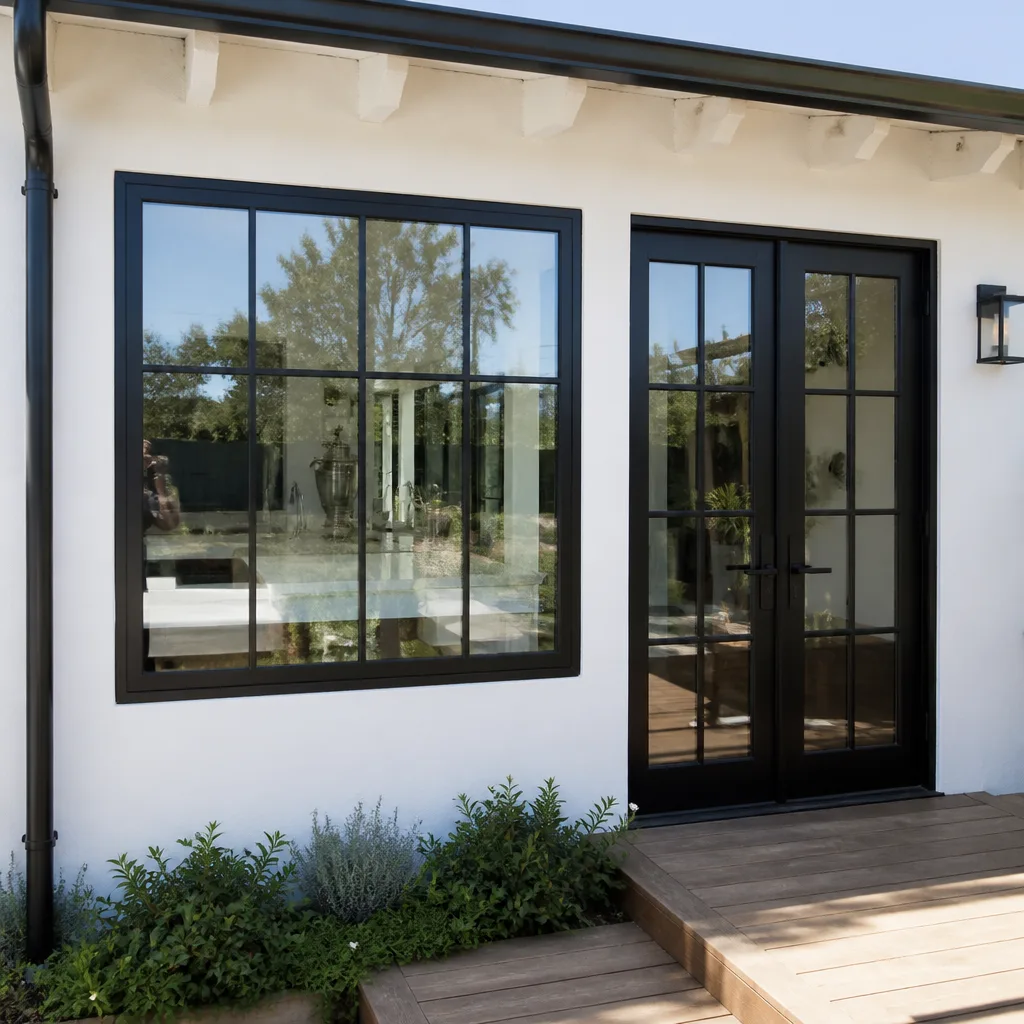 After
After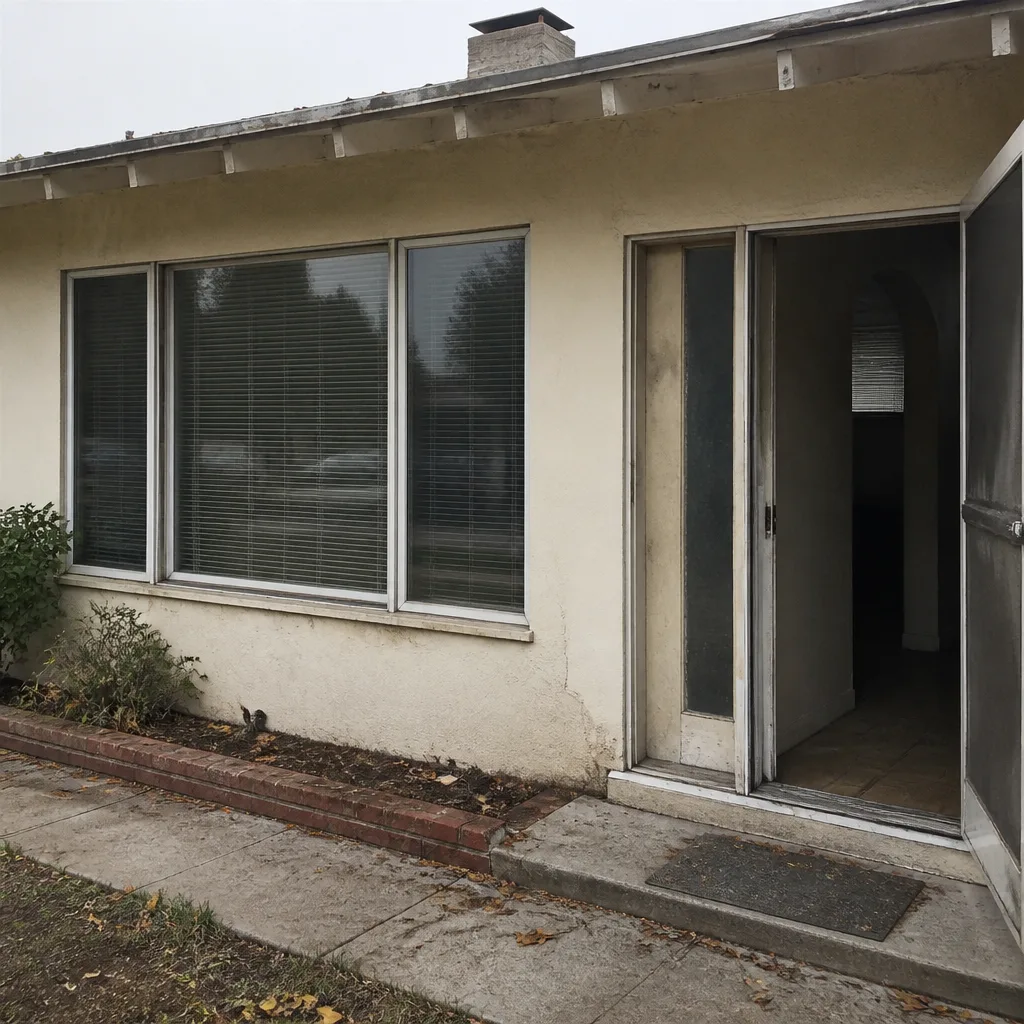 Before
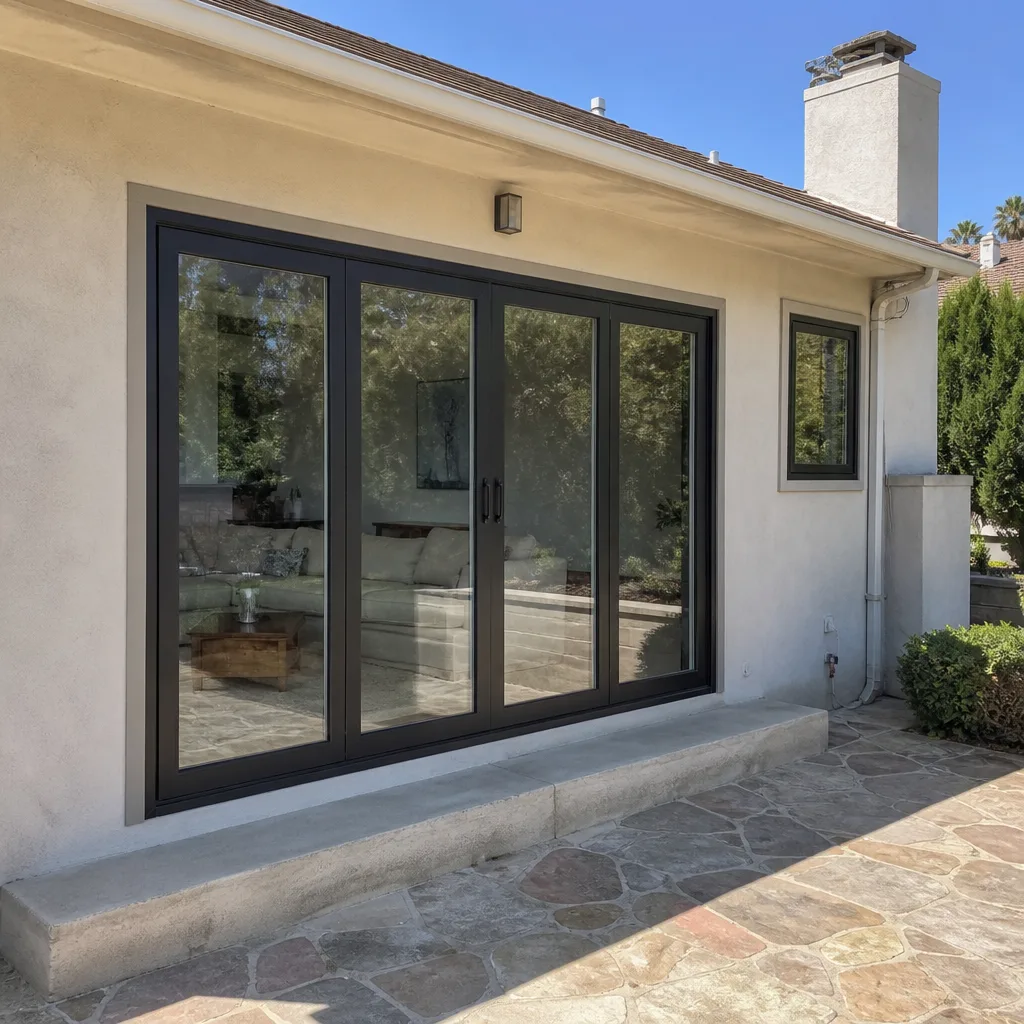 After
After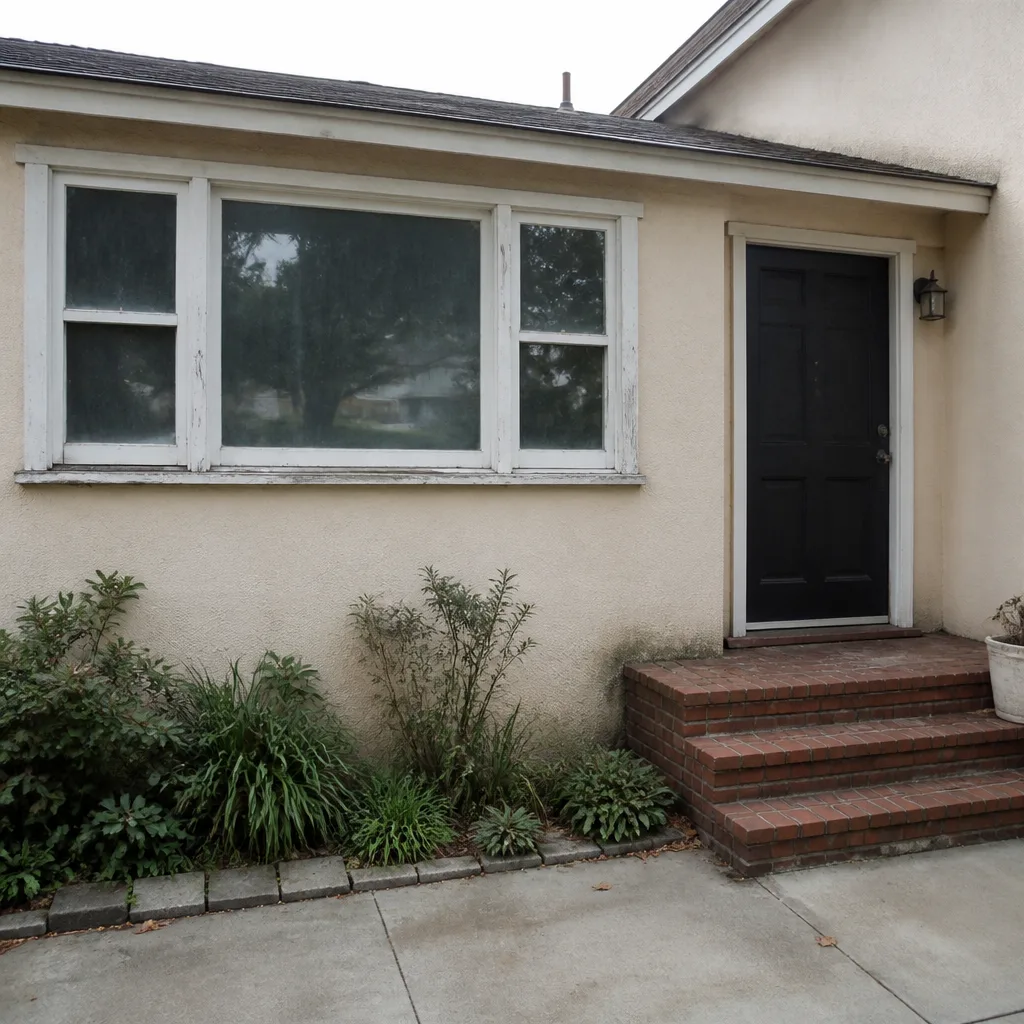 Before
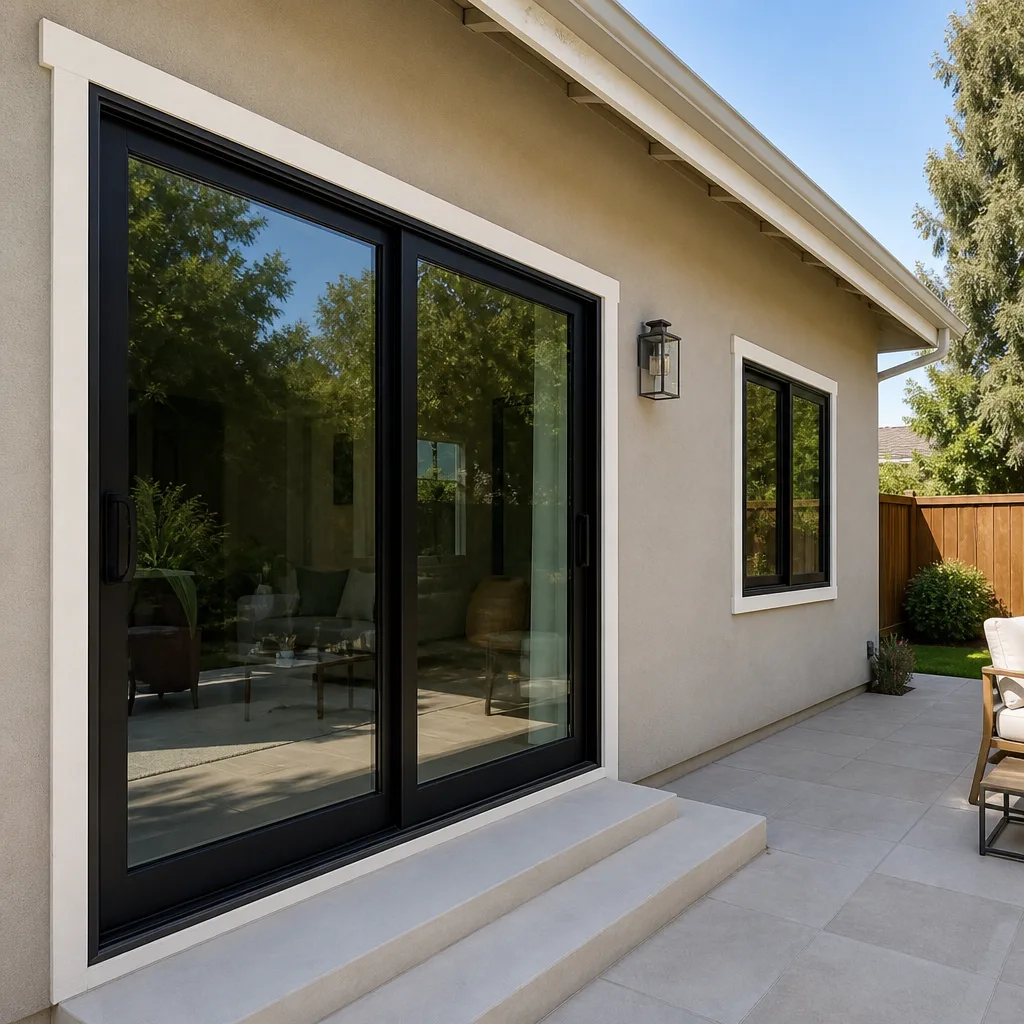 After
AfterFast, Reliable Window Replacement Across Miami
Window replacement in Miami isn’t a cosmetic project. It’s a structural one. Miami-Dade County sits inside a High-Velocity Hurricane Zone, the strictest building code designation in the United States, which means every window you install has to carry a Miami-Dade Notice of Acceptance (NOA) or it doesn’t get permitted. We coordinate that paperwork on every job because we work here daily, from Brickell high-rises to Hialeah bungalows. If you’re pricing out replacement windows and want a written number before anyone lifts a tool, call us at (509) 265-6387.
Why Sightline Windows & Doors Is Miami’s Preferred Window Replacement Company
We run our Miami jobs under the Haven Standard, the operating rules Sightline has followed since 2012. Clause 1 is simple: a written price before any work starts. The measured survey you receive at the first visit is the same document the final invoice is built from. No re-quotes, no change orders that appear after demolition.
Our Miami crews are background-checked, uniformed, and identified by license number before they arrive. Haven Clause 3. When you hire us for Window Replacement work, the person on the schedule is the person at your door. Sonia Raman leads our Miami operations. Every completed job leaves a documented photo record, and every installation is covered by the 365-Day Done Right Promise: if it’s not done right, we make it right.
We answer the phone with a live person, 24/7. Not a voicemail queue.
Our Window Replacement Services in Miami
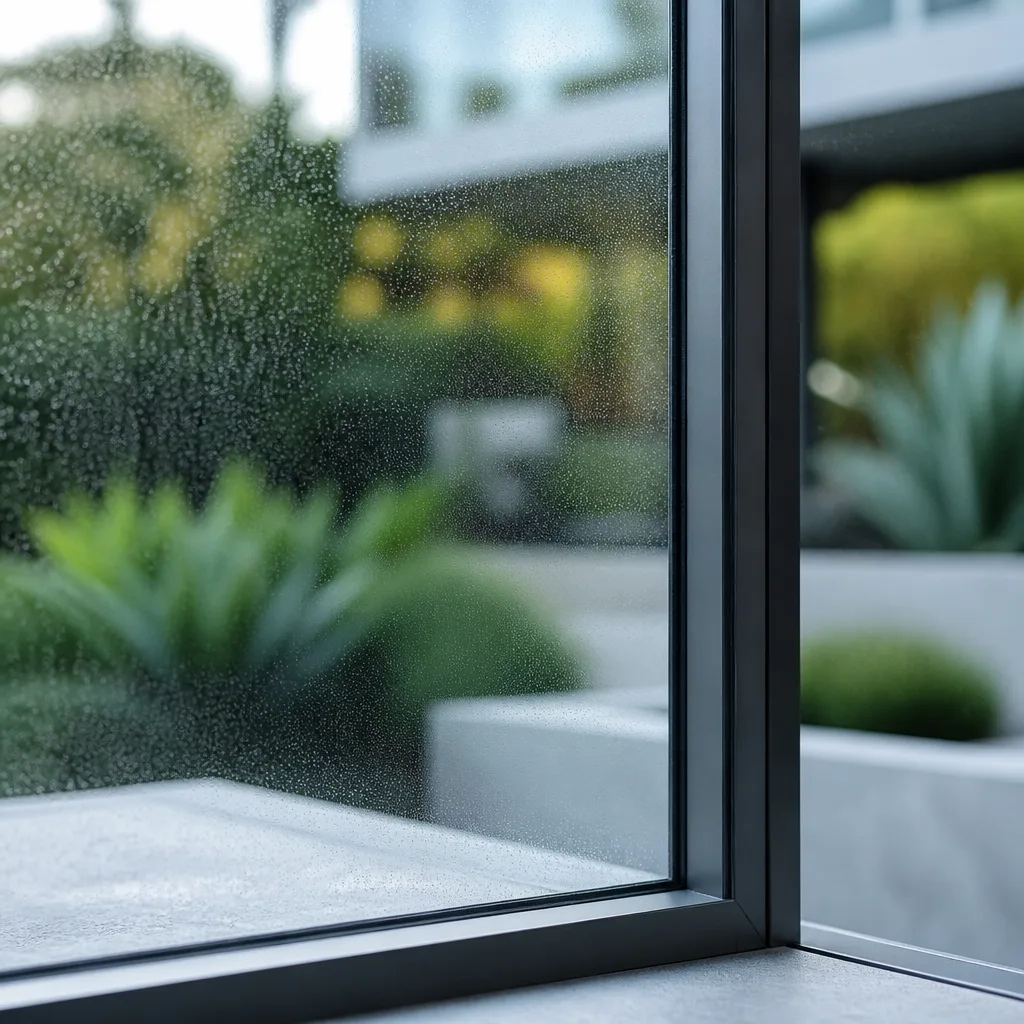
Different parts of Miami demand different window solutions. A 1970s condo tower on Brickell faces a different set of constraints than a 1950s CBS home in Little Havana or a restored MiMo building in Miami Beach. Here’s how we approach the four most common replacement scopes in this market.
Full Frame Replacement
The majority of homes in Hialeah, Little Havana, and west Miami-Dade were built as concrete block structures between the 1950s and 1980s. Many still have their original window openings. When you pull a jalousie or a corroded aluminum single-hung out of a CBS wall, you’re not doing an insert. You need the full frame removed, the opening inspected for spalling and water intrusion, and a new buck and anchoring system rated for the wind pressures on that specific elevation. We do this regularly and we document the condition of the rough opening before we ever install the new unit.

Insert Window Replacement
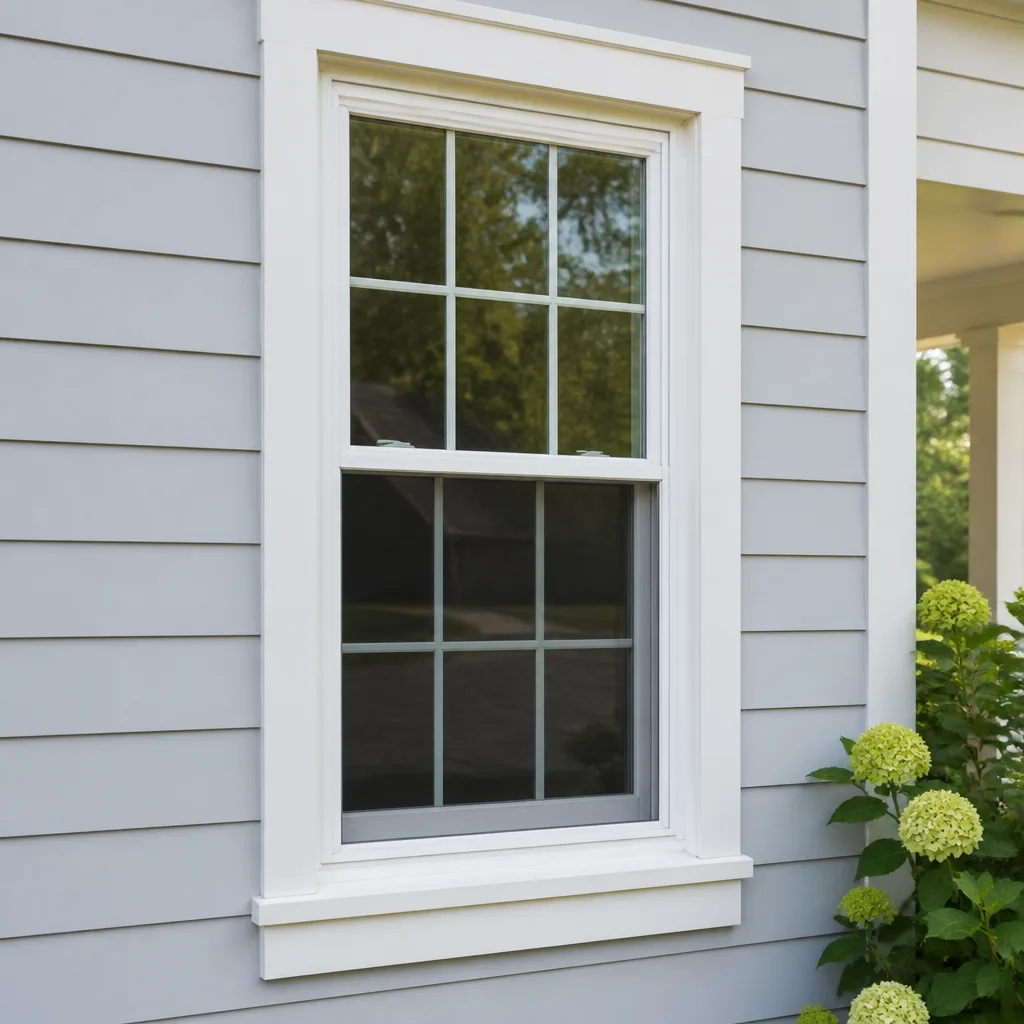
If the existing frame is square and structurally sound, an insert window drops into the old frame and trims out cleanly. This is common in Miami Beach’s Art Deco and MiMo districts where the historic preservation board restricts what you can change from the exterior. Inserts preserve the original sightline and trim while upgrading the glass package to impact-rated LOW-E. They’re faster to install, less invasive, and typically cost 20 to 30 percent less than a full-frame replacement for the same unit.
Vinyl Replacement Windows
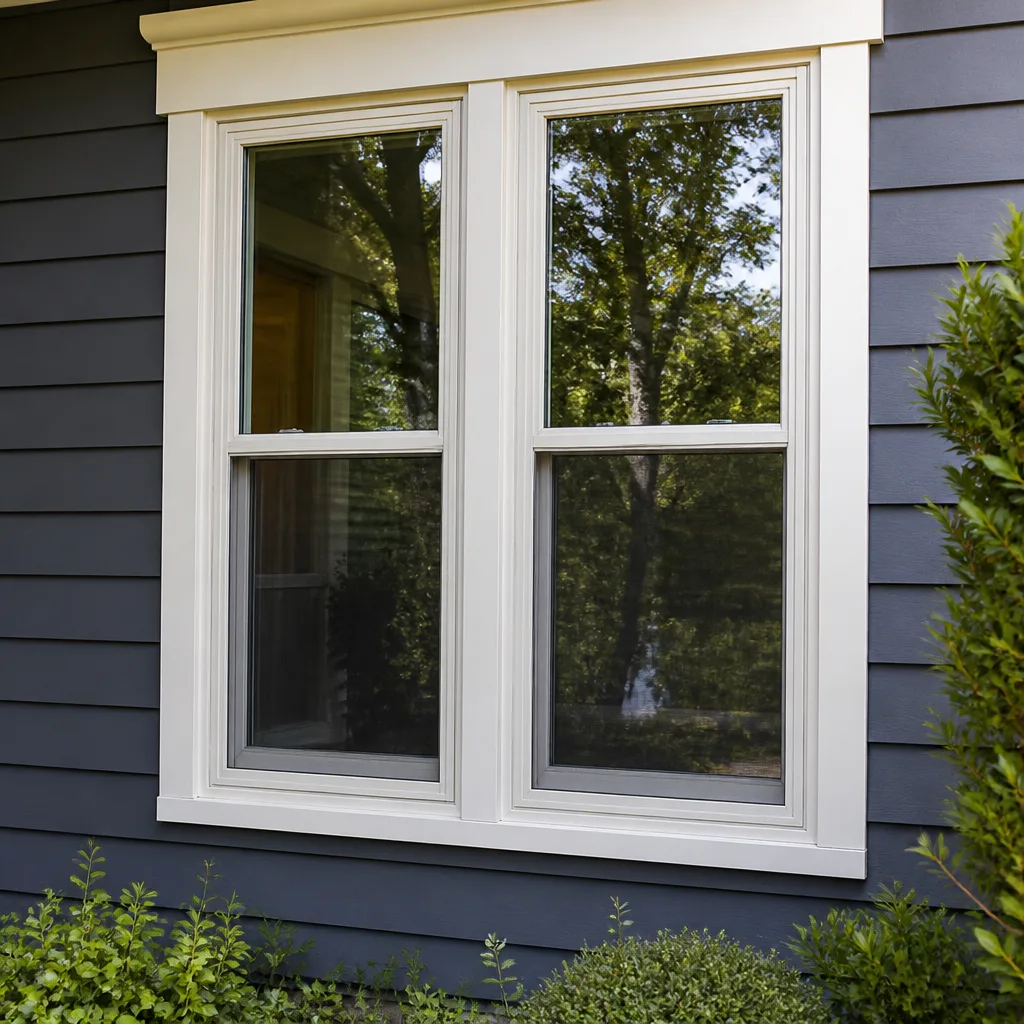
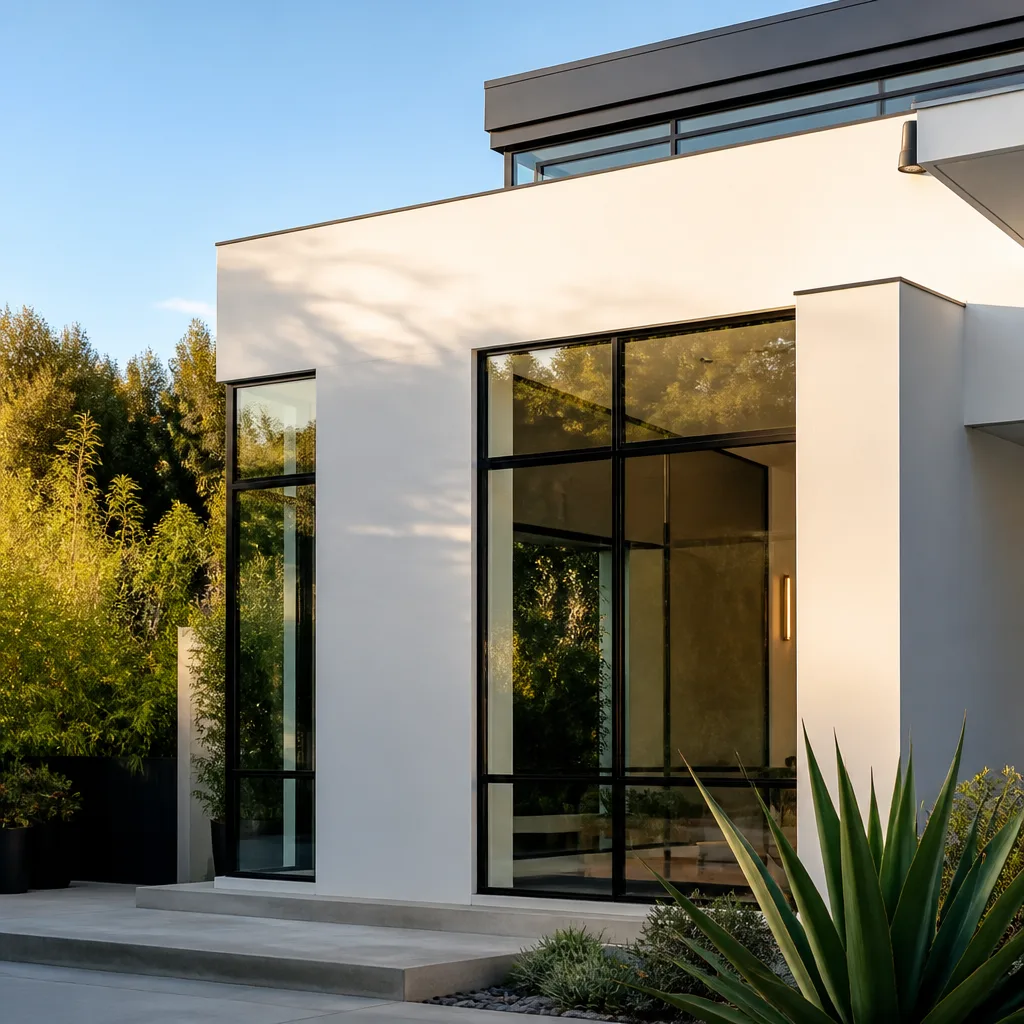
Vinyl makes sense in Miami when you’re replacing multiple windows in a rental property or a mid-century home where the unit size is standard and the exposure isn’t direct oceanfront. But not all vinyl is equal here. In coastal zones within a mile or two of Biscayne Bay or the Atlantic, we steer homeowners toward impact-rated vinyl with reinforced frames and stainless hardware, because the salt air eats standard galvanized components in under a decade. We’ll show you the difference in writing.
Energy-Efficient Upgrade
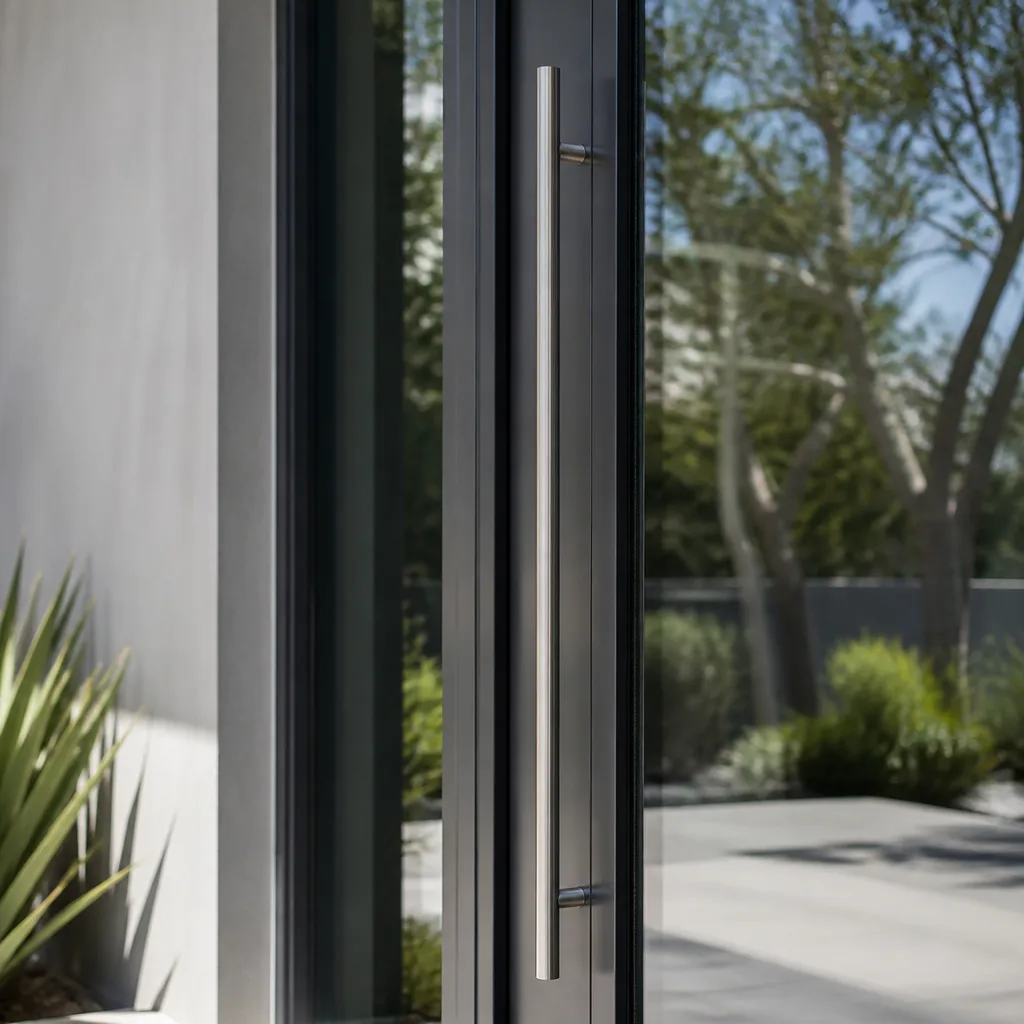
Miami’s humidity runs above 75 percent most of the year. That means your window seals are working harder than they would almost anywhere else in the country. A failed seal leads to fogged glass, and fogged glass means the insulating gas is gone. Upgrading to a Low-E insulated impact unit typically cuts solar heat gain by 40 percent or more, which translates directly to cooling costs. We spec the U-factor and SHGC for each opening, not for the brochure.
What happens when you call
- 1
A real person answersNo phone trees - you reach a local pro.
- 2
You get an upfront price rangeHonest numbers before anyone is dispatched.
- 3
A background-checked tech heads outLicensed & insured, dispatched right away.
- 4
You approve before work beginsNothing starts until you say go.
BeforeAfterTrusted Brands We Service in Miami
We install windows from eight manufacturer lines, specified by what the opening actually requires, not by margin. For Miami’s wind zone and marine environment, we most frequently specify CGI and ES Windows for high-design-pressure openings on waterfront exposures, CWS for mid-rise condo replacements on Brickell and Edgewater, and ECO Window Systems for energy-focused retrofits where the primary goal is cooling load reduction. Every product we install carries the Miami-Dade NOA paperwork for its specific configuration. Bring us a competitor’s written estimate and we’ll review it at no charge. That’s a standing offer, not a promotion.
Common Window Replacement Problems We See in Miami Homes
We keep a running list of what we actually find in Miami openings. Here’s what we see most often:
- Salt-air oxidation on aluminum frames: In waterfront neighborhoods like Coconut Grove and Surfside, standard aluminum frames show pitting, seal failure, and jamb seizure within 8 to 10 years. The fix is a marine-grade Kynar coating and stainless hardware, not another coat of paint.
- Jalousie windows that fail HVHZ code: Those louvered glass panels were everywhere in 1950s through 1980s CBS construction. They don’t pass wind-borne debris testing and they don’t meet current design pressure requirements. Insurance companies flag them. Full replacement is the only compliant path.
- Fogged insulated glass units: Miami’s humidity plus daily thermal cycling causes premature seal failure on non-impact insulated units, especially on east- and south-facing elevations. Once the seal goes, the gas escapes and the window stops doing its thermal job.
- Condo recertification flags: Miami-Dade’s mandatory 40-year building recertification routinely cites non-impact fenestration as a structural deficiency in aging towers along Brickell, Edgewater, and Collins Avenue. If the inspector flags your windows, you have a deadline to replace them.
Pricing for Window Replacement in Miami, FL
We publish pricing ranges because a written number is the entire point of the Haven Standard. So here they are:
- Insert window replacement: $600 - $1,400 per window installed, depending on size, glass package, and whether the opening is a standard rectangle or something custom.
- Full frame replacement: $1,100 - $2,800 per window installed. The frame work, anchoring, and waterproofing are the labor drivers.
- Impact-rated single-hung: $900 - $1,800 per window installed. You’re paying for the laminated glass, the reinforced frame, and the NOA documentation.
- Large or custom openings (picture windows, geometric shapes, fixed lites): $2,500 - $5,000 per opening.
- Whole-home packages: $8,000 - $25,000+, depending on opening count and wind zone.
What moves the price in Miami specifically: your wind zone (east of US-1 costs more than far west Dade), your floor height (upper-floor openings need higher design pressures), the frame material (Kynar-coated aluminum costs more than standard, and it’s the right call within a mile of the water), and whether the opening is a standard rectangle or requires custom fabrication. Custom units run 4 to 6 weeks from order to install. Once your units arrive, most replacements are installed in a single day. Call (509) 265-6387 and we’ll put the exact number for your home in writing before any work starts.
What Window Replacement Costs in Miami
Let’s put this in the context of what Miami actually costs. Impact windows, the legal floor in this county, run $800 to $1,500 per window installed as a baseline. Impact single-hungs sit at $900 to $1,800. Large fixed lites or custom geometric openings start at $2,500 and run to $5,000. Whole-home packages across a typical 1960s CBS three-bedroom in Hialeah or Westchester land between $8,000 and $25,000+ depending on opening count.
Three things drive the Miami price gap compared to inland Florida. One: the NOA requirement means you can’t buy a cheap non-rated unit and install it yourself. The product itself has to pass Miami-Dade testing, and that testing costs money. Two: marine-grade finishes and stainless hardware aren’t optional close to the coast. Standard aluminum will oxidize within a decade. Three: labor in a dense metro with parking constraints, condo building rules, and elevator scheduling adds real cost per opening.
We do free in-home measurements. The written quote you receive is the price. That’s Haven Clause 1, and it’s been that way since 2012.
Florida Pays You Back
Miami homeowners have access to a stack of incentives that can meaningfully reduce the net cost of a window replacement. The math:
- My Safe Florida Home offers matching grants up to $10,000 for qualifying wind-mitigation upgrades when you’re awarded one. Impact windows qualify, but there’s a lottery and an inspection process. Budget for it.
- Florida sales-tax exemption applies to impact-resistant windows and doors. You don’t pay sales tax on qualifying units. That’s 7 percent in Miami-Dade right off the top.
- Federal 25C energy credit covers 30 percent of the product cost for qualifying energy-efficient units, capped at $600 per year. It’s a federal tax credit, not a rebate, and it requires documentation we provide.
- Windstorm premium credits average around 25 percent off the windstorm portion of your policy after a certified wind-mitigation inspection, which runs $75 to $150. Not every carrier offers the same credit, and you need the inspection filed correctly to claim it.
We don’t guarantee any of these numbers for your specific policy or application. Programs and carriers set their own final figures. But we do hand you the NOA documentation and wind-mitigation paperwork so you can actually file for them.
Impact Windows vs. Hurricane Shutters
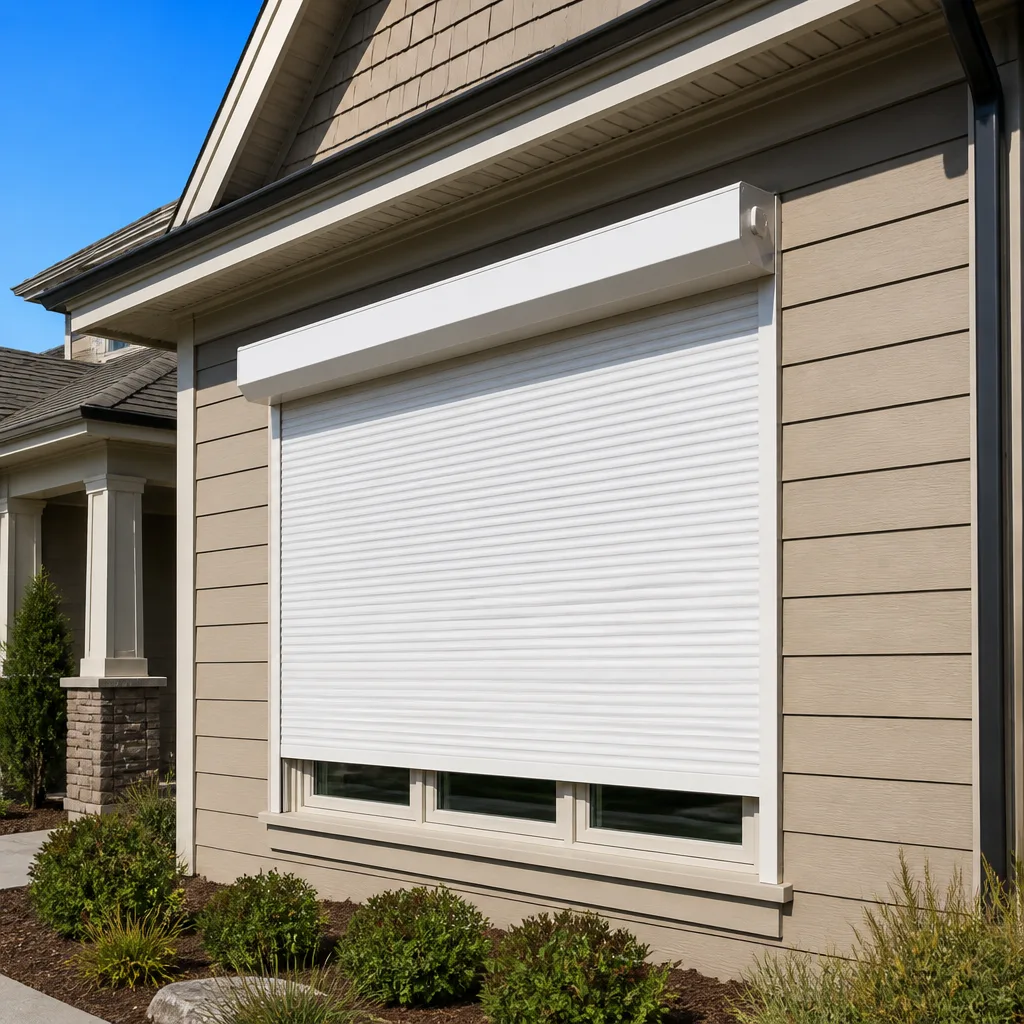
Both meet Miami-Dade code. But they’re not the same thing. Impact windows are the window. Shutters are a thing you hang over the window. With impact glass, there’s no plywood to cut, no panels to haul out of a storage closet, and no installation required before every storm. You close your regular windows and you’re done. Shutters are cheaper on the front end. But they do nothing for your daily energy costs, they age, and they rely on you being home and having them ready when a storm is approaching. For a Miami homeowner who’s gone before a mandatory evacuation order hits, impact glass wins. We install impact windows. We don’t install shutters. If you want to compare both on your specific openings, we’ll help you price the window side and tell you honestly where shutters might make more sense.
One point worth making directly: big-box retail install programs sell the same window brand names, but the installers they dispatch are subcontractors working on volume, not a licensed impact specialist who understands Miami-Dade NOA compliance. If the NOA number for your specific configuration doesn’t match the permit application, the building department rejects it. We handle that end to end.
How Salt Air in Miami Decides What We Specify
The ocean is the determining factor in Miami material selection. Not the schedule, not the labor, not the glass package. The salt.
Here’s what we see on a daily basis: standard aluminum window frames within a mile of Biscayne Bay show oxidation and pitting within eight years. The jamb hardware corrodes, the sash stops moving freely, and the seal between the glass and the frame breaks down because the frame itself is deforming. Galvanized steel fasteners rust through. Vinyl frames hold up better against salt, but their hardware is just as vulnerable if it isn’t stainless.
So here’s the price gap. A standard-spec impact window on a house in West Kendall will run you the baseline number on this page. The same-sized opening in Coconut Grove or Surfside needs marine-grade Kynar-coated aluminum, stainless steel hardware, and sometimes a higher design pressure rating because of wind exposure. That coastal-spec version costs 20 to 30 percent more per opening. It also lasts three times as long. The cheap spec fails within a decade and you buy the window twice. In Miami, the ocean decides the materials. We just write it down for you.
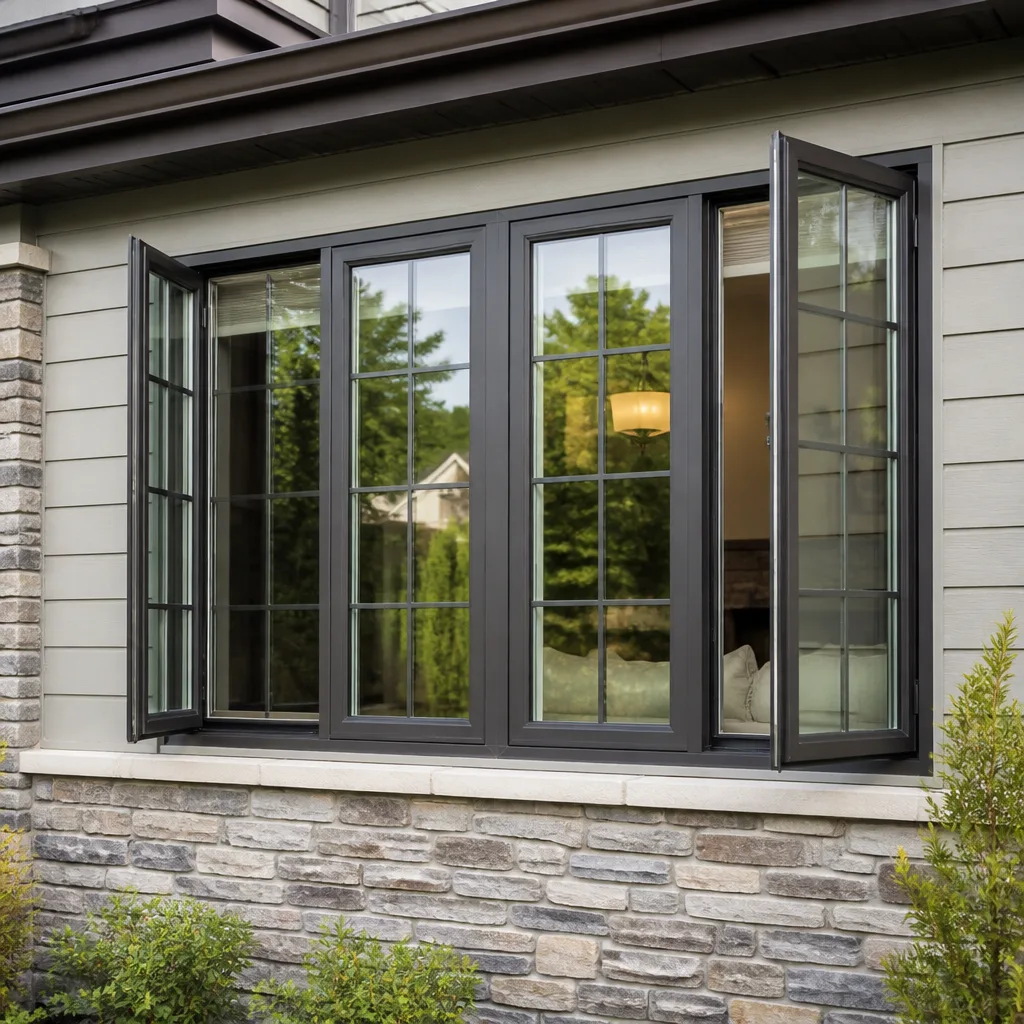
In Coconut Grove, our crew replaced a 1980s CBS home’s original jalousie windows with PGT impact-rated casement units after the aluminum frames showed salt-air oxidation and seal failure within nine years. We specified marine-grade Kynar-coated frames and stainless steel hardware, then navigated the HVHZ permit and Miami-Dade NOA documentation so the homeowner finally got wind mitigation credits on their policy. The measured survey, the permit set, and the final invoice were one document from day one.
What the Miami-Dade NOA Actually Means for Your Project
Most window replacement pages will tell you to get impact windows. They won’t tell you about the NOA, because most window companies outside Miami-Dade don’t operate under that regime. Here’s what it means in practice.
Every product we install in Miami has a Notice of Acceptance number tied to a specific configuration. That means the exact frame, the exact glass package, the exact size range, and the exact design pressure rating are pre-approved by Miami-Dade County as a tested assembly. You can’t mix and match a frame from one manufacturer with glass from another and expect to pass permit review. The NOA is the assembly’s birth certificate. Without it, the building department rejects the permit application and the inspector red-tags the job. Every opening we quote includes the applicable NOA number in writing. That’s part of the documentation you keep.
Design pressure matters here too. A window on the 18th floor of a Brickell tower needs a higher PSF rating than a window on a single-story home in Kendall. We match the design pressure to the opening elevation and exposure. Those numbers go in your quote as well. We never claim a design pressure above 100 PSF, because the rating isn’t the bragging point. Matching it correctly is.
We Also Serve Cities Near Miami
Our crews run replacements across Miami Beach, Hialeah, Miami Gardens, and North Miami Beach every week. Same written pricing standard, same NOA documentation, same crews. If you’re in any of those cities and you want a measured survey that becomes your written quote, call (509) 265-6387.
Serving Miami, FL - Our Local Coverage Area
We’re based in the Miami area and know this community well. Use the map below to see our service coverage - if you’re nearby, we can almost certainly help.
FAQs - Window Replacement in Miami
A Miami-Dade Notice of Acceptance is a product approval issued by the county for a specific window or door assembly that has passed HVHZ testing. Miami-Dade is one of the only jurisdictions in the country that requires this. Without an NOA for the exact configuration you’re installing, the permit gets rejected and the inspection fails. Every window we quote in Miami includes the applicable NOA number in your written estimate. Call (509) 265-6387 and we’ll show you the paperwork for your specific opening.
If the structural inspector flags your existing windows as non-impact or as having failed seals and corroded frames, the answer is typically yes. Miami-Dade’s 40-year recertification requires the building to correct deficiencies within a set window of time, and non-compliant fenestration is one of the most common flags. But the catch is that HOA rules usually mean you replace through the association’s approved contractor list, or you need board sign-off on your own installer. We work with Brickell and Edgewater condo boards regularly and we’re familiar with the approval process. Bring us the board’s requirements and we’ll give you a written estimate that respects them.
Jalousie windows can’t be retrofitted to meet HVHZ code. The louvered glass panels can’t hold a laminated impact unit, and the frames don’t have the structural depth for a tested anchoring system. Full replacement is the only compliant path, and in a CBS wall that means pulling the entire frame and installing a properly anchored impact-rated unit. We do this constantly in Hialeah and west Miami-Dade, where jalousies are everywhere in 1950s through 1980s construction. The measured survey will show you the exact opening condition and the written quote won’t change after the frame comes out.
Salt-laden air corrodes standard aluminum frames and galvanized hardware within 8 to 10 years in Miami’s waterfront corridors. We specify marine-grade Kynar-coated aluminum and stainless steel hardware for anything within a mile of Biscayne Bay or the Atlantic. It costs more up front, but the standard-spec frame starts oxidizing in under a decade and you replace the window again. The cheap spec is the expensive spec in Miami.
Yes. Low-E impact glass cuts solar heat gain by 40 percent or more compared to clear single-pane, and Miami’s air conditioning runs most of the year. The reduction is real and measurable on your FPL bill, especially on east- and west-facing openings. But the bigger benefit in Miami is the seal reliability. Our humidity destroys the seals on non-impact insulated units inside 10 years. Impact-rated Low-E units are built with laminated glass and heavier seal systems that hold up in this climate. You get the energy benefit and you don’t fog up in five years.
Get a Written Window Replacement Estimate in Miami
We price window replacement the only way that makes sense in a market with Miami-Dade’s rules: in writing, before any work starts. The measured survey you keep, the written scope, the NOA documentation, the permit set, and the final invoice are all the same document from the first visit to the last. Every job ends with a photo record. Every job is covered by the 365-Day Done Right Promise.
If you’re in Miami, call (509) 265-6387 to schedule your free in-home measurement. Live people answer the phone. That’s a better starting point than a form.
Written by Sonia Raman, Owner at Sightline Windows & Doors, coordinating window replacement across Miami under the Haven Standard since 2012.